RESEARCH ARTICLE
Puzzle-Based Instruction to Improve Cognitive Development in Early Childhood Education
Human Psychology & Behavior|Vol. 1, Issue 1, pp. 6-11 (2025)
CC BY 4.0-2025 Authors
Views
Downloads
Shares

Received
Jul 8, 2025Revised
Sep 13, 2025Accepted
Oct 16, 2025Published
Dec 16, 2025
Abstract
Cognitive development in early childhood is a crucial foundation for later academic achievement and overall intellectual growth. This study, conducted at TK Ma’arif NU 1 Taman Cari in East Lampung, Indonesia, examined the effectiveness of puzzle-based learning in enhancing cognitive abilities among children aged 5–6 years. Using a Classroom Action Research (CAR) design implemented over two cycles, the intervention aimed to strengthen children’s understanding of fundamental concepts such as shapes, colors, sizes, and patterns. The findings showed a significant improvement in children’s abilities to classify, sequence, and solve problems, meeting and surpassing expected developmental standards. These results highlight puzzle-based learning as an effective and developmentally appropriate strategy for promoting cognitive growth in early learners. Beyond the local context, the study underscores the broader potential of play-based and interactive learning approaches in early childhood education.
Introduction
The cognitive development of early childhood represents a foundational stage in human growth, influencing subsequent learning, behavior, and socio-emotional adaptation (1-3). However, disparities in cognitive abilities, such as recognizing geometric shapes, differentiating colors and sizes, and identifying letters, remain a persistent concern in many early childhood education environments (4-6). In TK Ma’arif NU 1 Taman Cari, observational data from pre-surveys revealed that a significant proportion of children aged 5–6 years demonstrated underdeveloped cognitive skills, impeding their readiness for primary education.
This concern is especially urgent given that early childhood (ages 0–6) is widely acknowledged as the “golden age” for brain development (7-9). According previous reports, many children under five years of age in low- and middle-income countries are not achieving their developmental potential due to inadequate early learning interventions (10, 11). According to Piaget’s theory of cognitive development, children aged 4–6 years are in the preoperational stage, characterized by rapid growth in symbolic thinking, imagination, and problem-solving abilities (12). During this stage, children begin to understand concepts of classification, seriation, and spatial relationships skills that form the basis for later logical reasoning (13). Similarly, Vygotsky emphasized the social nature of learning, proposing that children’s cognitive abilities develop optimally through guided interactions and the use of culturally meaningful tools or media (14). These foundational theories underline the importance of providing structured, stimulating experiences that align with children’s developmental stages.
Furthermore, experts such as Bruner and Montessori highlight that learning media play a critical role in supporting young children’s cognitive development. Bruner’s concept of enactive and iconic representation underscores that children learn best through hands-on manipulation of objects before transitioning to abstract thought (15). Montessori also asserted that concrete materials, such as puzzles, can bridge sensory exploration and intellectual understanding, promoting independence and concentration (16). Thus, media that engage multiple senses particularly manipulatives like puzzles are essential in stimulating curiosity, attention, and conceptual understanding in early learners.
The use of developmentally appropriate pedagogical tools, particularly those that integrate play-based learning, has shown promise in enhancing children's cognitive functions (17-19). Yet, implementation challenges remain. In TK Ma’arif NU 1, the use of puzzle-based educational tools is limited by inadequate teacher facilitation and lack of engaging, age-appropriate materials.
While educational puzzles are widely acknowledged for enhancing problem-solving, visual-spatial skills, and logical reasoning, their effectiveness hinges on systematic use and teacher involvement. Previous studies have explored the cognitive benefits of puzzles, but few have employed classroom-based interventions to evaluate structured puzzle play in real school settings (19, 20). This study addresses that gap by proposing an action-based learning approach using puzzles to stimulate cognitive domains such as classification, symbol recognition, and spatial reasoning. By applying a two-cycle classroom action research design with 13 participants, this study aims to develop a replicable, effective strategy for improving cognitive competence in early learners through puzzle play.
Methodology
Study Design and Rationale
This study employed a classroom action research (CAR) design, structured into two iterative cycles, to investigate the effectiveness of puzzle-based learning in enhancing cognitive development among early childhood learners. The CAR approach was selected for its adaptability in educational settings and its suitability for implementing and evaluating pedagogical interventions in real-time classroom environments.
The research design referred to the Classroom Action Research model developed by Kemmis and McTaggart (1988), which emphasizes a cyclical process of planning, acting, observing, and reflecting. This model was chosen because it allows for continuous improvement of instructional practices based on reflective evaluation and feedback obtained from each cycle (see Figure 1).

In this study, two complete CAR cycles were conducted. Each cycle included the four key stages planning, action (implementation), observation, and reflection to ensure iterative refinement of the intervention. Insights from the first cycle were used to adjust the instructional strategies and puzzle materials in the second cycle.
Participants
The study was conducted at TK Ma’arif NU 1 Taman Cari, involving a purposive sample of 13 children from Class B (ages 5–6 years), comprising 4 boys and 9 girls. Inclusion criteria required that participants be enrolled in the class during the entire study period and present for at least 80% of the intervention sessions. Children with diagnosed developmental delays were excluded to maintain homogeneity of the sample.
Instrument Validity
To strengthen instrument validity, the observation sheets and assessment rubrics were reviewed by two early childhood education experts for content relevance and clarity. Minor adjustments were made to align the instruments with national early childhood development indicators. Inter-observer consistency was maintained by training the teacher-researcher on the use of the rubric before data collection.
Materials and Tools
The intervention utilized six different puzzle sets, each consisting of 6–8 interlocking pieces. The puzzles varied in difficulty and theme, including geometric shapes, alphabet letters, and color sorting, and were progressively adjusted across sessions to match students’ developmental levels. All puzzles were made from child-safe, durable materials and were selected to align with national cognitive development indicators, ensuring both safety and educational relevance. Each session incorporated guided play and brief reflection activities to encourage problem-solving, collaboration, and sustained attention among participants.
Intervention
The intervention was conducted over a total of six classroom sessions, divided into two cycles with three sessions each. Every session, lasting approximately 45 min, adhered to a structured pedagogical flow designed to optimize the cognitive engagement of the children through puzzle-based activities.
At the beginning of each session, the teacher carefully prepared the learning environment by arranging both individual and group puzzle sets. These materials were thematically aligned with the weekly learning objectives and tailored to the developmental level of the children. The session then commenced with a brief, child-appropriate introduction, during which the teacher clearly explained the learning objectives and demonstrated how to complete the puzzles. This demonstration was accompanied by verbal prompts that highlighted key cognitive concepts such as color, shape, size, and letter recognition.
Following the introduction, the children were organized into small working groups and engaged in guided puzzle play. During this implementation phase, the teacher assumed the role of facilitator, offering strategic prompts to stimulate cognitive processing. For instance, children were asked questions such as, “Which piece fits here?” or “What shape are you looking for?” to encourage analytical thinking and active participation.
Each session concluded with a reflection and evaluation segment. Children were encouraged to articulate their thinking processes and describe how they completed the puzzle tasks. The teacher used this opportunity to document observations related to individual and group performance, noting areas of growth as well as challenges encountered.
Between the two cycles, the teacher conducted a formative assessment to evaluate the effectiveness of the activities and made necessary adjustments. These refinements included modifications to the difficulty level of the puzzles and revisions to group composition, all aimed at better supporting the children’s individual learning needs and enhancing overall engagement in subsequent sessions.
Data Collection Techniques
Data were collected using both quantitative and qualitative approaches to ensure comprehensive assessment. Structured observation sheets were the primary instrument, aligned with national early childhood cognitive development indicators. These sheets enabled teachers to record observable behaviors such as the ability to classify shapes, recognize colors, and identify letters during puzzle-based activities.
In addition to structured observations, teacher field notes and photographic documentation were used to capture contextual details and non-verbal cues that supported interpretation. Data were collected at three key points: prior to intervention (baseline), after the first cycle, and after the second cycle. This triangulation allowed for both performance tracking and deeper insight into student engagement and progress.
Data Analysis
Data analysis in this study utilized both qualitative and quantitative methods to comprehensively evaluate the development of children's cognitive abilities through puzzle-based learning. Qualitative data were drawn from observational notes and were analyzed through a process of data reduction, display, and conclusion drawing. Data reduction involved selecting, simplifying, and organizing raw observational records to focus on meaningful patterns. These refined data were then displayed to facilitate interpretation and to inform subsequent instructional decisions. Conclusions were drawn tentatively and continuously verified against emerging evidence during the research cycles.
Quantitative analysis focused on numerical data derived from observation scores assessing children's cognitive performance across indicators such as shape recognition, color identification, and symbol matching. These scores were tabulated and converted into percentages to determine developmental progress over time. The classification of learning outcomes followed four categories: Not Yet Developed (BB), Beginning to Develop (MB), Developing as Expected (BSH), and Very Well Developed (BSB).
Given the small sample size (n = 13) and the classroom action research (CAR) framework, this study intentionally employed descriptive percentage analysis as the primary method of quantitative evaluation. The aim of CAR is not to produce statistically generalizable findings, but to examine learning improvements, monitor individual progress, and reflect on instructional effectiveness within a specific classroom context. Descriptive analysis enables a clear visualization of changes across cycles and provides a valid representation of developmental trends in small-scale, practice-oriented educational research. To calculate percentage gains, the Eq 1 was applied.
Success Indicator
The success of this classroom action research was determined by the extent to which children's cognitive abilities improved through puzzle-based learning. The study adopted a performance benchmark whereby the intervention would be considered effective if at least 76% of the students reached the "Very Well Developed" (BSB) category in cognitive development. This threshold was established based on the institutional standard used at TK Ma’arif NU 1 Taman Cari.
The assessment employed four developmental categories, each linked to a specific percentage range. These included: Not Yet Developed (BB: 0%–25%), Beginning to Develop (MB: 26%–50%), Developing as Expected (BSH: 51%–75%), and Very Well Developed (BSB: 76%–100%). This categorical framework allowed for clear classification of student progress and evaluation of instructional effectiveness.
Furthermore, a rubric was applied to assess the level of student independence in performing cognitive tasks. A student classified as BB required full guidance or modeling; MB required prompting; BSH performed tasks independently and consistently; while BSB students demonstrated autonomy and could assist peers in achieving similar goals (see Table 1).
| BB - Not Yet Developed | MB - Beginning to Develop | BSH - Developing as Expected | BSB - Very Well Developed |
|---|---|---|---|
| Performs only with teacher modeling | Performs with reminders or help | Performs independently without prompting | Performs independently and helps peers |
Results
Research Findings and Initial Cognitive Profile
This study employed a Classroom Action Research (CAR) design, conducted in two cycles, each consisting of three sessions. The intervention aimed to improve cognitive development in early childhood through puzzle-based learning at TK Ma'arif NU 1 Taman Cari. Each cycle involved structured phases: planning, implementation, observation, and reflection.
The baseline findings revealed that many students had limited ability to recognize, differentiate, and classify geometric shapes, and struggled with colour identification, understanding size differences, and letter recognition. These difficulties were associated with passive learning behaviours and a teacher centered approach that restricted engagement.
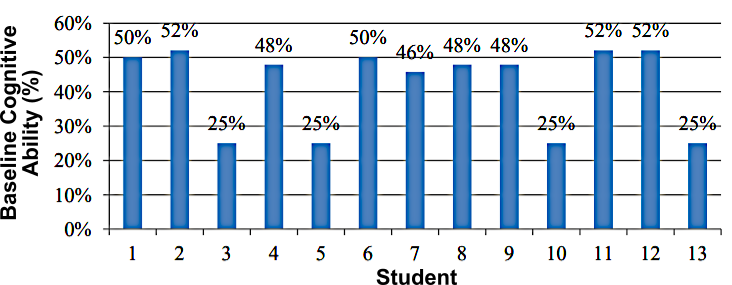
Figure 2 presents the baseline results for 13 students. Based on the findings, most students were still in the Beginning to Develop (MB) and Not Yet Developed (BB) categories. The visualization of these findings is illustrated in the following figure. It can be concluded that the cognitive development of students at TK Ma’arif NU 1 Taman Cari in assembling puzzles remains suboptimal. A total of 31% (4 students) were categorized as Not Yet Developed (BB), 46% (6 students) as Beginning to Develop (MB), and 23% (3 students) as Developing as Expected (BSH), while none had reached the Very Well Developed (BSB) level. In response to these findings, the researcher initiated instructional improvements through the integration of puzzle-based learning. A Classroom Action Research (CAR) approach was employed to enhance cognitive development, with the goal of reaching an 80% success benchmark in student cognitive performance.
Cycle I Implementation and Observations
The first cycle of the Classroom Action Research (CAR) at TK Ma’arif NU 1 Taman Cari aimed to enhance students' cognitive development through puzzle-based learning. The cycle was conducted in three sessions on April 4, 5, and 12, 2023. Activities followed three primary stages: planning, implementation, and observation.
During the planning stage, the researcher coordinated with the classroom teacher to design daily lesson plans (RPPH), prepare learning tools, assessment instruments, and schedule the sessions. Instructional materials focused on classifying objects by color, shape, and size, identifying patterns (ABCD), and sequencing items from smallest to largest. In each session, students engaged in guided and independent puzzle-based activities aligned with cognitive development indicators.
Observations were conducted throughout all sessions to assess both teacher and student engagement. Results from Cycle I revealed improvement from the baseline, with several students transitioning from the "Beginning to Develop" (MB) to "Developing as Expected" (BSH) categories. However, none reached the "Very Well Developed" (BSB) level, indicating the need for continued intervention. The recap of students’ cognitive abilities in assembling puzzles during Cycle I is illustrated in the Figure 3.
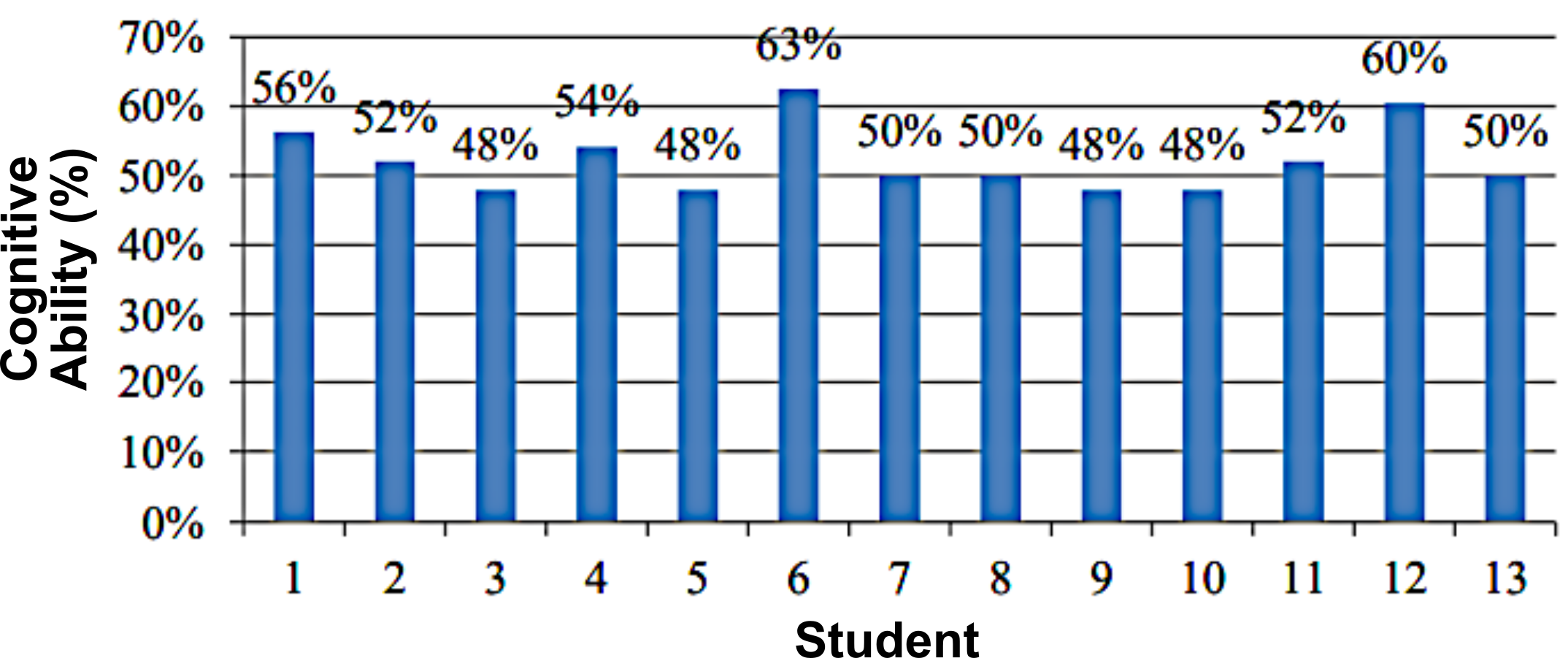
Based on the findings, the cognitive development of students at TK Ma’arif NU 1 Taman Cari in assembling puzzles after Cycle I remains moderate. A total of 62% (8 students) were categorized as Beginning to Develop (MB), and 38% (5 students) reached the Developing as Expected (BSH) level. No students were found in the Not Yet Developed (BB) or Very Well Developed (BSB) categories. These results indicate progress compared to the initial condition. Overall, the learning outcomes from Cycle I reflect a positive trend in improving children’s cognitive skills through puzzle-based activities. The development of students’ cognitive abilities in Cycle I showed a noticeable improvement compared to the initial condition. This is reflected in the shift of student distribution across the assessment categories (see Figure 4).
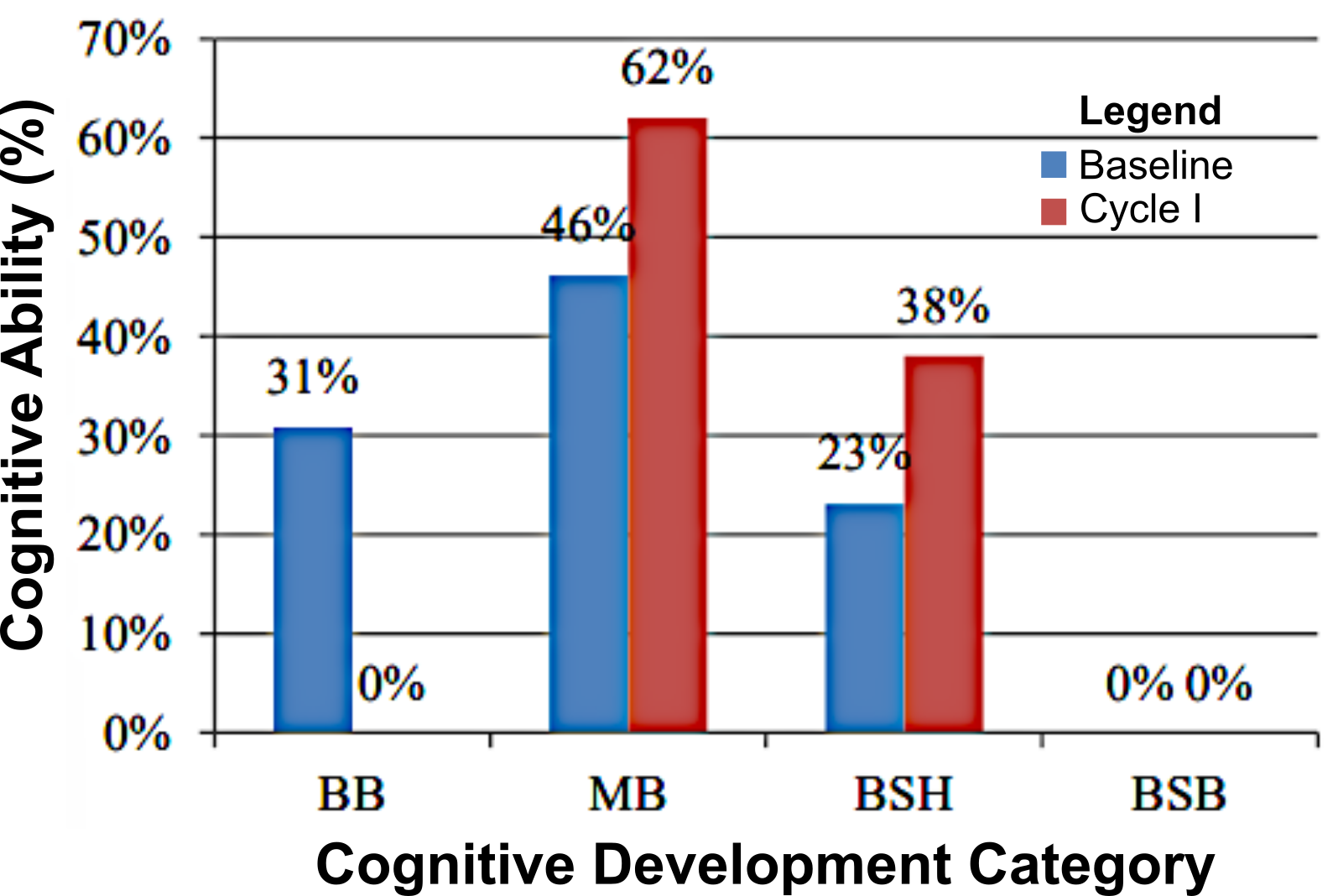
Based on observations from Cycle I at TK Ma’arif NU 1 Taman Cari, students' cognitive abilities showed improvement compared to the initial condition following puzzle-based learning activities. However, the results did not meet the predetermined success indicator, which required at least 76% of students to achieve the Developing as Expected (BSH) or Very Well Developed (BSB) level. Several issues emerged during the learning process, including: [1] some students losing focus due to chatting with peers; [2] disruptive behavior among students; and [3] competition over puzzle materials, leading to conflict and reduced engagement. Since Cycle I did not meet the success criteria, instructional improvements and adjustments will be implemented in Cycle II to ensure optimal learning outcomes.
Cycle II Implementation and Observations
The second cycle of this Classroom Action Research (CAR) at TK Ma’arif NU 1 Taman Cari was conducted to further enhance the cognitive abilities of students through puzzle-based learning. The implementation phase consisted of three sessions held on April 18, April 19, and May 9, 2023, and followed the standard CAR structure: planning, implementation, and observation.
During the planning stage, the researcher collaborated with the classroom teacher to prepare daily lesson plans (RPPH), learning instruments, assessment sheets, and supporting media. Each lesson focused on classifying objects based on color, shape, and size, identifying ABCD patterns, and sequencing objects by size. All activities were designed to support independent student engagement while aligning with targeted cognitive indicators.
In the implementation phase, each session began with greetings, prayer, attendance, review of prior material, and presentation of the lesson objective. Students participated in small-group and individual puzzle exercises. The final meeting involved a cumulative evaluation of prior sessions. Throughout the cycle, students engaged more cooperatively and displayed higher concentration and self-regulation.
Observations during Cycle II showed substantial gains in students’ behavior and cognitive performance. As presented in Figure 5, the distribution shifted markedly toward higher developmental levels, with most learners attaining the Very Well Developed (BSB) category and none remaining in the lower classifications. By the end of Cycle II, students at TK Ma’arif NU 1 Taman Cari had reached optimal performance in puzzle-based activities, with 15% (2 students) at the Developing as Expected (BSH) level and 85% (11 students) achieving BSB.
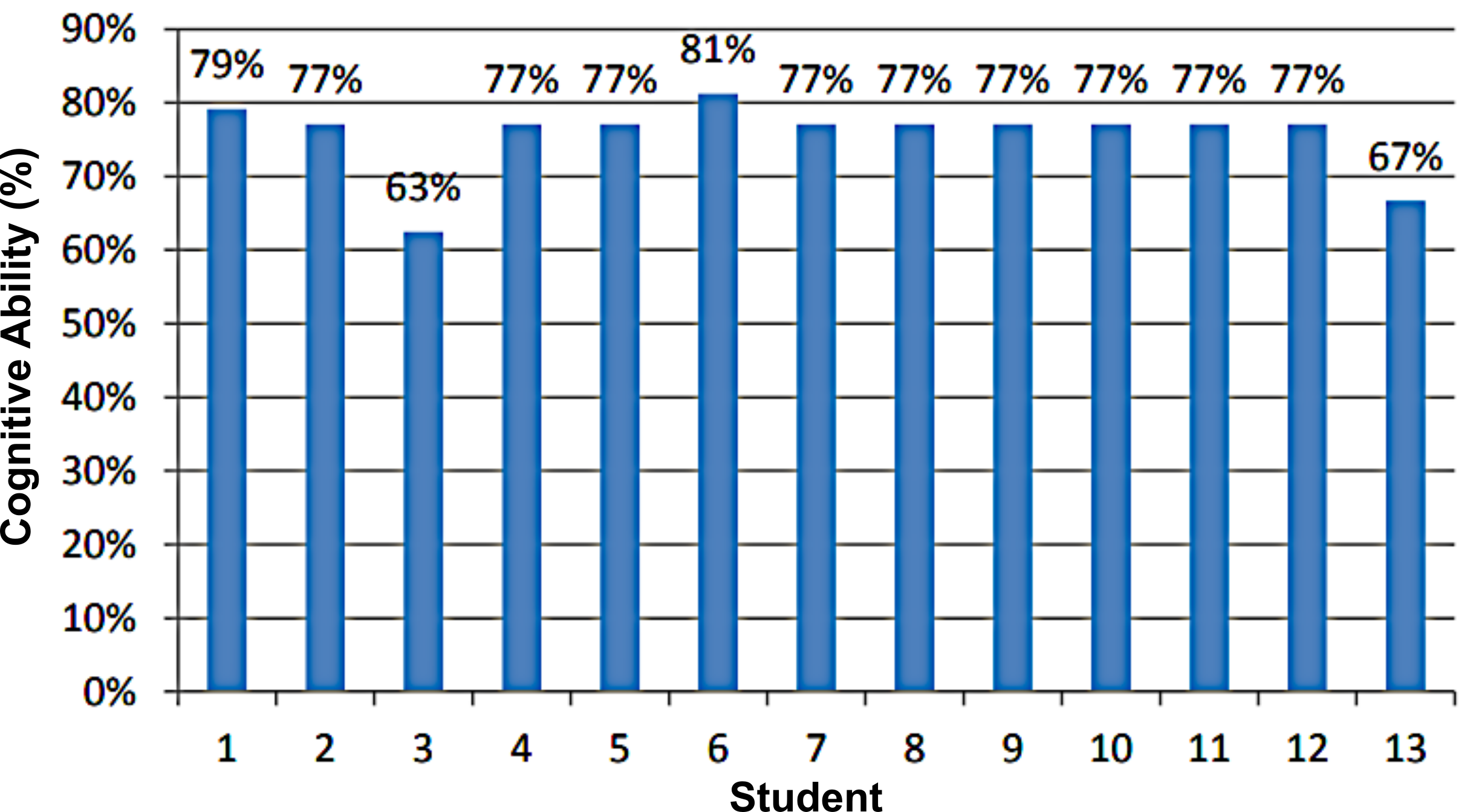
Figure 6 illustrates the comparative progress between Cycles I and II. Initially, 62% (8 students) were at the Beginning to Develop (MB) level and 38% (5 students) at BSH, with no students achieving BSB. Following the intervention, all participants advanced beyond the BB and MB levels, and the majority reached BSB.
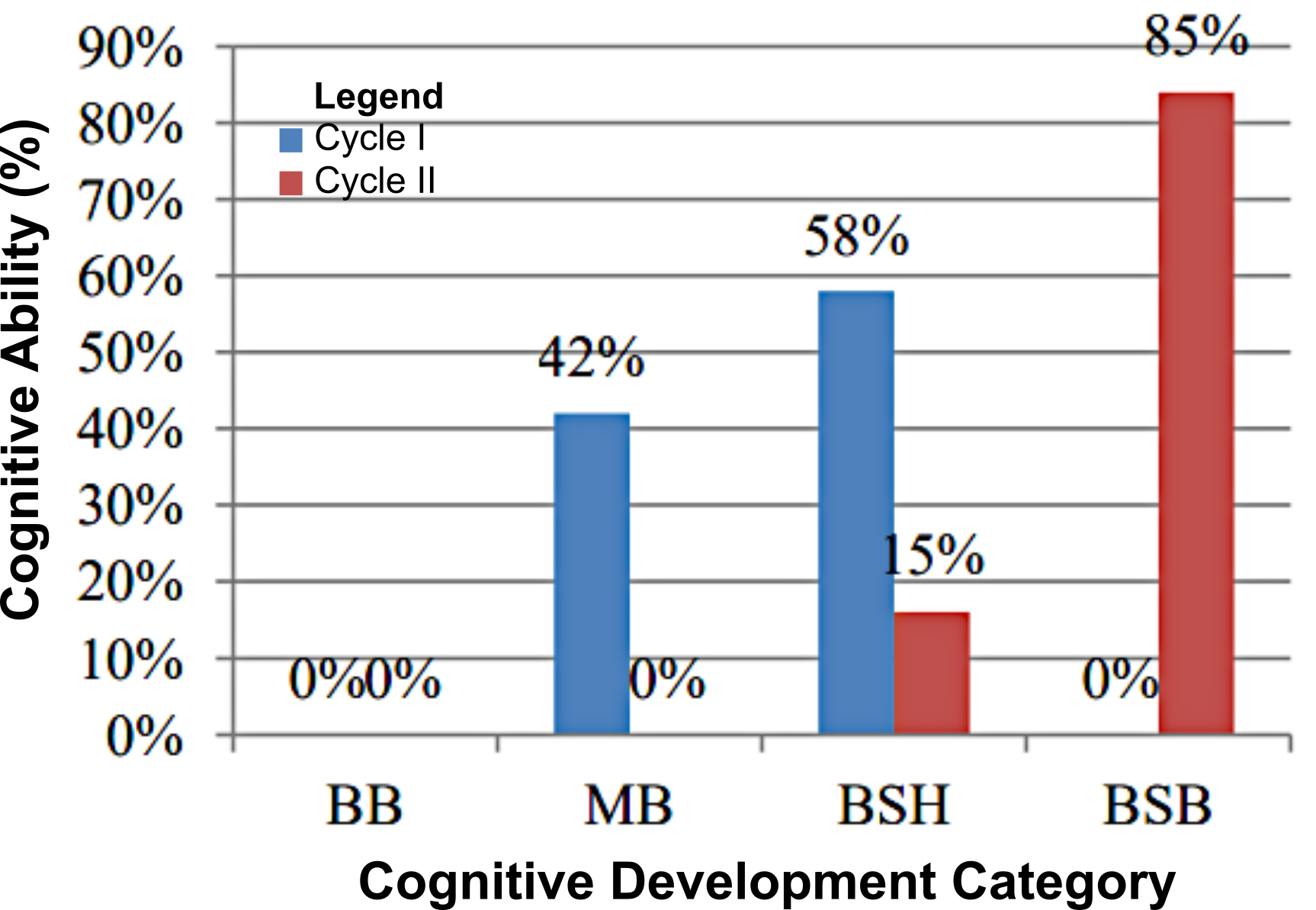
These outcomes indicate that the puzzle-based learning approach substantially improved cognitive performance and met the established success criterion, where more than 76% of learners achieved the highest developmental category. Accordingly, the instructional model can be regarded as both effective and successful in fostering optimal cognitive growth in early childhood education.
Discussion
Guided by Jean Piaget’s theory of cognitive development, which emphasizes that children build knowledge through assimilation and accommodation, this study applied puzzle-based instructional media to enhance cognitive growth among early learners (21, 22). Puzzle play engaged children in hands-on classification, sequencing, and recognition tasks, all of which support Piaget’s view that cognitive development emerges through active manipulation of concrete materials (23, 24).
Initial observations showed that many students struggled with basic cognitive tasks such as recognizing shapes, distinguishing sizes and colors, and identifying letters. However, following the implementation of puzzle-based learning, students demonstrated marked improvements. The progression from BB and MB in the initial stage to mostly BSB by Cycle II confirms that structured puzzle-based learning, combined with teacher facilitation, significantly improves children’s cognitive abilities.
These results are also consistent with Vygotsky’s sociocultural theory, which highlights the importance of scaffolding and guided participation in supporting children’s learning within the Zone of Proximal Development (ZPD). The teacher’s active role in facilitating puzzle activities allowed children to progress from basic recognition to higher-level reasoning (25). Likewise, Bruner’s representational theory explains that puzzle play supports learning through enactive, iconic, and symbolic stages (26), while Montessori’s approach emphasizes hands-on materials that promote independent exploration and problem-solving (27).
Findings from this study are in line with prior research showing that manipulative and play-based learning media, such as puzzles, effectively stimulate cognitive growth and focus among early learners (18, 28). However, the novelty of this study lies in its systematic use of Classroom Action Research (CAR) cycles, which enabled continuous improvement in instructional design and measurable cognitive gains across stages.
In conclusion, puzzle-based learning has proven to be a practical and theoretically supported approach for enhancing early childhood cognitive development. The integration of guided facilitation and iterative classroom reflection creates an effective model for stimulating core cognitive abilities such as classification, sequencing, and spatial reasoning among kindergarten learners.
Conclusion
Based on the results and analysis presented above, the findings of this study clearly demonstrate that puzzle-based learning significantly improved the cognitive development of Class B students at TK Ma’arif NU 1 Taman Cari. The pre-test (baseline) results showed that 31% of students were categorized as Not Yet Developed (BB), 46% as Beginning to Develop (MB), and 23% as Developing as Expected (BSH), with none reaching the Very Well Developed (BSB) level. After the first learning cycle, students’ performance increased, with 38% achieving the BSH level and no students remaining in the BB category, although none had yet reached the BSB level. By the end of the second cycle, there was a substantial improvement: 85% of students achieved the Very Well Developed (BSB) level and 15% reached the Developing as Expected (BSH) level, thereby surpassing the institutional success benchmark of 76%. These results confirm that puzzle-based instruction is an effective and evidence-based approach for enhancing the cognitive abilities of early childhood learners.
The study’s novelty lies in its structured classroom application of puzzle play as a measurable, play-based learning model. Although limited by a small sample and single-site design, the findings suggest strong potential for broader implementation. Future research should involve larger and more diverse groups and examine long-term effects across institutions.
Declarations
Conflict of Interest
The authors declare no conflicting interest.
Data Availability
The unpublished data is available upon request to the corresponding author.
Ethics Statement
Prior to data collection, the study received approval from the school administration. All activities were conducted in accordance with ethical standards for early childhood education research, ensuring voluntary participation, confidentiality, and the protection of children’s welfare.
Funding Information
The author(s) declare that no financial support was received for the research, authorship, and/or publication of this article.
References
- Ramesh S. Cognitive development and childhood learning. In: The political economy of human behaviour and economic development. Cham: Springer International Publishing; 2022. p. 181–219.
- Dadjoo M, Gharibzadeh S. Prediction of self-control based on cognitive intelligence and socio-emotional behavior assessments in early childhood. Front Biomed Technol. 2021 Dec 26.
- Rahma A, Saputra Mufika A, Safitri A, Roisah A, Aisyah S, Badaruddin U, et al. Enhancing early childhood cognitive development through play-based learning: A case study. J Child Health Dev. 2025;1(1).
- Prime H, Andrews K, Markwell A, Gonzalez A, Janus M, Tricco AC, et al. Positive parenting and early childhood cognition: A systematic review and meta-analysis of randomized controlled trials. Clin Child Fam Psychol Rev. 2023;26(2):362–400.
- Putri AA, Suparno. Recognize geometry shapes through computer learning in early math skills. JPUD J Pendidik Usia Dini. 2020;14(1):43–57.
- Rais R, Al Haddar G. Assessing the impact of early childhood education programs on cognitive, social, and emotional development: A quasi-experimental study. J Ilmu Pendidik Humaniora. 2024;13(3):152–66.
- Untung SH, Pramono IA, Khasanah L, Awwaluddin A, Kholis N, Muddin MI, et al. The gold age of childhood: Maximizing education efforts for optimal development. In: Proc Int Conf Intellectuals’ Global Responsibility (ICIGR 2022). 2023. p. 261–9.
- Lestari RH, Mudhawaroh M, Ratnawati M. Intelligence optimization in the golden age by stimulating the right brain in Mojokrapak Village, Tembelang District, Jombang Regency. NUCLEUS. 2020;1(2):58–61.
- Putra W. Cognitive development in the golden ages. J Educ Anal. 2022;1(3):215–24.
- Mcway R, Prabhakar P, Ellis A, Attanasio O, Sulaiman M, Almas I, et al. The impact of early childhood development interventions on children’s health in developing countries: A systematic review and meta-analysis. NHH Dep Econ Discuss Pap. 2022.
- Neuman MJ, Okeng’o L. Early childhood policies in low- and middle-income countries. Early Years. 2019;39(3):223–8.
- McLeod S. Piaget’s preoperational stage (ages 2–7). 2024.
- R, Madanagopal D. Piaget’s theory and stages of cognitive development: An overview. Sch J Appl Med Sci. 2020;8(9):2152–7.
- Habsy BA, Malora PI, Widyastutik DR, Anggraeny TA. Teori Jean Piaget vs Lev Vygotsky dalam perkembangan anak di kehidupan bermasyarakat. TSAQOFAH. 2023;4(2):576–86.
- Nur Arsyad S, Philipus Tangkin W, Astuti B, Studi Doktor Pendidikan Dasar P, Ilmu Pendidikan dan Psikologi F, Negeri Yogyakarta Jl Colombo No U, et al. Implications of Bruner’s cognitive theory on elementary school education in the 21st century. Klasikal J Educ Lang Teach Sci. 2024;6.
- Rosalin R, Tatang T. Making sense of fractions in elementary on Montessori didactic materials. JPPI J Penelit Pendidik Indones. 2024;10(4):349.
- Taylor ME, Boyer W. Play-based learning: Evidence-based research to improve children’s learning experiences in the kindergarten classroom. Early Child Educ J. 2020;48(2):127–33.
- Haoyue W, Marie Oyam DA. The role of play-based learning in early childhood cognitive development. Int J Soc Sci Humanit Res. 2024;12:139–44.
- N N, T T, D D, Noviawati Setya Arum D. Effect of cognitive stimulation based on puzzle games on learning achievement in school-aged stunted children. Asian J Pharm Res Dev. 2023;11(2):20–4.
- Lusiana SD, Aziz T. Exploration of algorithms and heuristics in puzzle playing activities of early childhood. Cakrawala Dini J Pendidik Anak Usia Dini. 2024;15(2):191–202.
- Utami S. Implementasi permainan puzzle dalam meningkatkan perkembangan kognitif anak usia dini. J I’tibar J Pendidik Islam Anak Usia Dini. 2024;8.
- Lei Q. The mechanism of play-based teaching in early childhood education on cognitive development. Educ Teach Res. 2024;4:74.
- Rahmawati MB, Rahayu RB, Prima Singkarak R, Tobasari A, Al Khoiriyyah R. Perkembangan kognitif anak melalui permainan puzzle di kelompok RA Prima Singkarak Kecamatan X Koto Singkarak. EduSpirit J Pendidik Kolaboratif. 2024;1(1):314–20.
- Sun L, Kangas M, Ruokamo H, Siklander S. A systematic literature review of teacher scaffolding in game-based learning in primary education. Educ Res Rev. 2023;40:100546.
- Atis-Akyol N, Uludag G, Tosun B. Montessori practices in early childhood education with teachers’ experiences. Res Pedagogy. 2023;13(1):177–92.