RESEARCH ARTICLE
Effectiveness of Apigenin–Banana Stem (Musa paradisiaca) Combination Gel on Incised Wound Healing
Academic Editor: Adeleye Ademola Olutayo
Sciences of Pharmacy|Vol. 4, Issue 4, pp. 292-300 (2025)
CC BY 4.0-2025 Authors
Views
Downloads
Shares

Received
Aug 24, 2025Revised
Nov 14, 2025Accepted
Nov 25, 2025Published
Dec 11, 2025
Abstract
Wound healing is a complex biological process involving inflammation, proliferation, and tissue remodeling. Delayed healing increases the risk of infection and other complications. Ambon banana stem (Musa acuminata) contains flavonoids, polyphenols, and tannins that support tissue regeneration, while apigenin exhibits anti-inflammatory and pro-regenerative activities. The combination of these two agents is expected to enhance wound repair. This study aimed to evaluate the effectiveness of a gel containing Ambon banana stem powder and apigenin in promoting wound healing in Sprague Dawley rats. A linear incision wound (1.5 cm × 2 mm) was created on the dorsal skin of anesthetized rats. Twenty-four male Sprague Dawley rats were divided into six groups (n = 4): untreated control (F0), negative control (gel base), positive control (Bioplacenton®), and three test formulations (F1: 5% banana stem + 10% apigenin; F2: 7.5% + 7.5%; F3: 10% + 5%). Wound length was measured daily for eight days using a digital caliper, and the percentage of wound closure was calculated. All combination gels significantly accelerated wound contraction compared with the negative control (p < 0.001). Formula F3 demonstrated the fastest healing, achieving complete closure on day 5 (1.50 ± 0.00 cm to 0.00 ± 0.00 cm), whereas the positive control reached 87.8 ± 0.15% closure by day 8. No significant differences were observed among the three test formulations. The accelerated healing is attributed to the synergistic effects of banana stem phytochemicals and apigenin. Overall, the combination gel effectively promotes wound healing and shows potential as a natural-based topical therapeutic.
Introduction
Wound healing disorders remain a significant global health issue, affecting more than 300 million people worldwide each year, with an estimated global treatment cost exceeding USD 20 billion annually (1). Delayed wound healing increases the risk of infection, chronic inflammation, and even systemic complications such as sepsis. Therefore, the development of effective, safe, and affordable wound-healing agents remains a major challenge in modern medicine (2).
Conventional topical wound treatments such as povidone-iodine, silver sulfadiazine, or corticosteroid-based formulations are effective but often associated with adverse effects, including delayed epithelialization, cytotoxicity to fibroblasts, and hypersensitivity reactions (3, 4). These limitations have encouraged the exploration of natural product–based therapies, which are generally safer and biocompatible. Medicinal plants rich in flavonoids and polyphenols have been widely studied for their antioxidant, antimicrobial, and anti-inflammatory activities that promote wound repair. Among the various dosage forms, gels are particularly suitable for topical delivery because they provide moisture, enhance absorption, and are easy to apply and remove.
The banana plant (Musa spp. ) is a widely available tropical species with significant ethnopharmacological value (5, 6). These phytochemical constituents accelerate angiogenesis and fibroblast proliferation, thus facilitating faster wound contraction and epithelialization. In Indonesia, banana stems have long been utilized in traditional medicine for treating wounds, burns, and skin inflammation. The sap (“getah batang pisang”) is commonly applied topically to fresh cuts to accelerate clotting and tissue regeneration, while decoctions are used orally to reduce internal inflammation. Banana stem sap also contains saponins, anthraquinones, luteinones, and lactins, which function as antibiotics, accelerate cell growth, and increase blood vessel formation in response to the wound healing process. (7, 8). These empirical uses provide a strong ethnopharmacological basis for exploring banana stem–derived formulations in modern wound care.
Besides the phytochemicals present in banana stem, several bioactive flavonoids from other plant sources have also demonstrated wound-healing potential. Among these, apigenin, a naturally occurring flavone found abundantly in Chamomile (Matricaria chamomilla), parsley (Petroselinum crispum), and celery (Apium graveolens) (3, 9), has attracted considerable attention for its diverse pharmacological activities.
Apigenin has many biological properties of natural flavonoids, such as antithrombotic, hepatoprotective, antiviral, and anti-inflammatory activities. Apigenin significantly improved wound healing after the fourth and seventh days compared to other groups in this study, this effect of apigenin on wound healing can restore many of the pharmacological effects of apigenin, apigenin can increase the process of re-epithelialization and collagen fiber deposition in the dermis, as well as the efficiency of granulation tissue formation (9).
The novelty of this research lies in the formulation of a combined gel of apigenin and Ambon banana stem powder, which has not previously been reported. This approach integrates the ethnomedicinal basis of banana stem use in Indonesia with the scientifically proven antioxidant and anti-inflammatory effects of apigenin to explore potential synergistic wound-healing outcomes.
Although previous studies have demonstrated the wound-healing potential of banana stem extract, few have investigated its synergistic interaction with specific flavonoids such as apigenin. Apigenin, a naturally occurring flavone, has been shown to promote re-epithelialization and collagen deposition through its anti-inflammatory and antioxidant mechanisms (9, 10). However, its combination with Musa acuminata stem powder in a single topical formulation has not yet been explored. This study therefore aims to evaluate the effectiveness of a combined gel containing apigenin and Ambon banana stem powder in accelerating the wound-healing process in an incision wound model.
Experimental Section
Tools and Materials
The tools used in this study included analytical balance (Fujitsu FS-AR 210), oven (DHG-9053A), blender (Philips), digital caliper, beakers, glass rods, and sterile surgical instruments.
The materials used were Ambon banana stem powder (Musa acuminata subsp. acuminata), apigenin (4, 5, 7-trihydroxyflavone, Hefei Dielegance Biotechnology, China), Na-CMC (Selulosa Eter (Carboxymethyl Cellulose/CMC), Arbeceel, PT. Arbe Chemindo, Indonesia), glycerin (Pharmacy, Gliserol (CAS 56-81-5), P & G Chemicals, Singapore), propylene glycol (Pharmacy, Propylene Glycol / Propane-1, 2-diol (CAS 57-55-6), Dow Chemical Pacific, Singapore), methyl paraben (Pharmaceutical (Multi-compendial: JP/EP/BP/USP/NF), UENO, Methylparaben, Ueno Fine Chemicals Industisty, Japan), Bioplacenton® gel (used as reference control), and distilled water. Twenty-four male Sprague Dawley rats (2–3 months old, 200–250 g) were used for in vivo testing.
The Sprague Dawley white rats (male, 2–3 months old, 200–250 g) were obtained from the Dramaga Agri Satwa, Bogor, Jawa Barat, Indonesia, and were acclimatized for 5 days before the experiment. The Ambon banana (M. acuminata) stems were collected from local plantations in Bojong, Pandeglang Distric, Banten Province, Indonesia. The plant material was authenticated by a botanist from the Department of Biology, Ahmad Dahlan University, and a voucher specimen (No. 002/Lab. Bio/B/I/2025) was deposited in the institutional herbarium. Apigenin (≥98% purity) was purchased from Hefei Dielegance Biotechnology Co. ltd. All excipients, including glycerin, propylene glycol, methylparaben, and Na-CMC, were of analytical grade and used as received without further purification.
Research Design
This study was an experimental laboratory research using a Completely Randomized Design (CRD) consisting of six treatment groups, each with four replications (n = 4). The total number of animals used was 24, calculated using the Federer formula (n−1)(t−1)≥15 (n-1)(t-1) ≥ 15 (n−1)(t−1)≥15. All experimental procedures involving animals were conducted in accordance with ethical standards and approved by the Health Research Ethics Committee of Muhammadiyah University of Purwokerto (Approval No. : KEPK/UMP/21/I/2024).
Animals were housed individually in well-ventilated cages under standard laboratory conditions (temperature 25 ± 2 °C, humidity 55 ± 10%, 12-h light/dark cycle) with ad libitum access to food and water. Analgesia was provided using lidocaine topical spray prior to incision to minimize pain and stress.
Research Treatment
The test animals were divided into six treatment groups. The first group (F0) was a control group with no treatment. The second group was a negative control (K−), where the wound was only given a gel base. The third group was a positive control (K+), which was given Bioplacenton® gel. Next, the fourth group (F1) was given a treatment in the form of a combination gel of banana stem powder with a concentration of 5% and apigenin 10%. The fifth group (F2) received a combination gel of banana stem powder 7.5% and apigenin 7.5%. The sixth group (F3) received a combination gel of banana stem powder 10% and apigenin 5%. Each gel preparation was applied evenly to the wound three times a day for eight days.
The selected concentration ratios of banana stem powder and apigenin (5–10%) were determined based on preliminary optimization and literature references indicating effective topical concentrations for wound healing. Prior research by Li et al. (2024) demonstrated apigenin’s activity in vivo at 5–10% range, while Wakkary et al. (2017) reported wound-healing activity of Musa extracts within similar concentrations (7, 10).
Preparation of Gel Preparations
The gel base was prepared by dispersing Na-CMC at a concentration of 3% w/w in distilled water under continuous stirring until a uniform mass was obtained. ach gel formulation was prepared by first dispersing Na-CMC in distilled water with constant stirring until a uniform gel base formed. Methyl paraben was dissolved in warm water and combined with glycerin and propylene glycol to create the vehicle phase. Apigenin was pre-dissolved in propylene glycol, then mixed with Ambon banana stem powder according to the designed concentration (F1: 5% + 10%, F2: 7.5% + 7.5%, F3: 10% + 5%). The mixture was stirred continuously until a homogeneous gel was obtained. The composition of each formula is shown in Table 1.
| No | Ingredients | F1 (%) | F2 (%) | F3 (%) | K (-) | Function |
|---|---|---|---|---|---|---|
| 1 | Banana stem powder | 5 | 7.5 | 10 | - | Active ingredient |
| 2 | Apigenin | 10 | 7.5 | 5 | - | Active ingredient |
| 3 | Na-CMC | 6 | 6 | 6 | 6 | Base |
| 4 | Glycerin | 5 | 5 | 5 | 5 | Humectant |
| 5 | Propylene glycol | 30 | 30 | 30 | 30 | Solvent |
| 6 | Methyl paraben | 0.2 | 0.2 | 0.2 | 0.2 | Preservative |
| 7 | Aquadest | Ad100 | Ad100 | Ad100 | Ad100 | Solvent |
| Note: K (-): negative control (gel base). F1: combination of banana stem powder 5% + apigenin 10%. F2: combination of banana stem powder 7.5% + apigenin 7.5%. F3: combination of 10% banana stem powder + 5% apigenin. | ||||||
Physical Stability Evaluation
The prepared gels were evaluated for organoleptic properties (color, odor, consistency), homogeneity, pH, and spreadability following the Indonesian Ministry of Health guidelines (1979). The pH was determined using a calibrated digital pH meter to ensure the value was within 4.5–6.5, corresponding to skin physiology. Homogeneity was examined microscopically under a glass slide to detect coarse particles. Spreadability was determined by placing 0.5 g of gel between two glass plates and applying increasing weights (50 g, 100 g, 150 g) for 60 s; the mean diameter was then measured.
In Vivo Wound Healing Procedure
All animals were acclimatized for five days under standard laboratory conditions (temperature 25 ± 2 °C; 12-h light/dark cycle). The dorsal hair was shaved 24 h before wounding. A linear incision wound (1.5 cm long × 2 mm deep) was made on the dorsal skin using a sterile scalpel. The incision depth was measured using a digital depth caliper to ensure consistent wound severity across all animals. The assigned gels were applied topically three times daily for eight consecutive days according to treatment groups: (1) K (–): Gel base (vehicle control); (2) K (+): Bioplacenton® gel (reference control); (3) F1: Banana stem powder 5% + Apigenin 10%; (4) F2: Banana stem powder 7.5% + Apigenin 7.5%; (5) F3: Banana stem powder 10% + Apigenin 5%. Although Bioplacenton® contains an antibiotic (neomycin sulfate), it was selected as a reference comparator commonly used for wound healing in clinical and preclinical studies. The purpose was not to equate antibacterial potency, but to compare the overall wound-healing performance (11).
Each rat was anesthetized with intraperitoneal ketamine (50 mg/kg BW) and xylazine (5 mg/kg BW). A 1.5 cm-long × 2 mm-deep linear incision was made on the shaved dorsal region using a sterile scalpel. The depth of 2 mm was measured using a digital depth caliper to ensure uniformity among all animals.
Wound length was measured daily for 8 consecutive days using the same caliper, and the percentage of wound closure was calculated using Eq. 1.
Eq. 1 | where WC = wound closure (%), L0 = initial wound length (cm), and Lt = wound length at time t (day).
Representative photographs of the wound progression for each group were documented on days 0, 2, 4, 6, and 8 using a digital camera under standardized lighting and distance. The images were later used to visually support quantitative wound-closure data.
Incision Wound Observation
Wound area was measured using a caliper before treatment (day 0) and daily thereafter for eight days. The observed parameter was the wound closure diameter as an indicator of the healing process.
Data Analysis
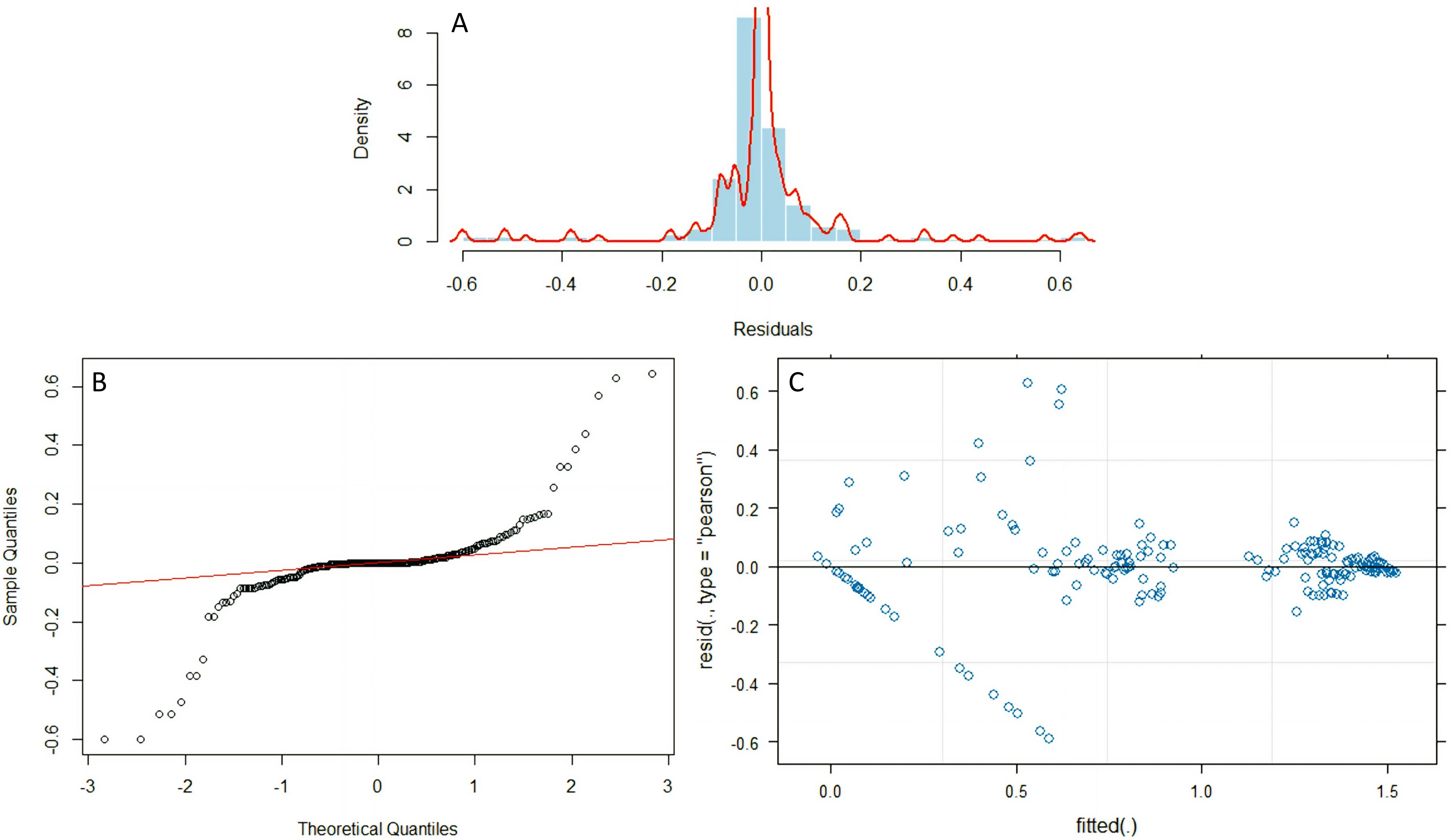
Observational data on the extent of incision closure were statistically analyzed using SPSS/R software. The first stage was a normality test using the Shapiro–Wilk test and a Q–Q plot to assess the residual distribution. Homogeneity of variance between groups was tested using a residual-versus-fitted plot. If the assumptions of normality and homogeneity were met, the analysis was continued with One-Way ANOVA to compare the means between treatment groups at a 95% confidence level with a p-value < 0.05 considered significant. However, because the data were repeated measurements over eight days and indications of heteroscedasticity were found, an alternative analysis was also used in the form of a Linear Mixed-Effects Model (LMM). This model allows for control of the influence of random factors (random effects) and is more robust against violations of ANOVA assumptions. After model estimation, a post-hoc analysis was performed in the form of pairwise comparisons using estimated marginal means (emmeans) with Bonferroni correction to control the risk of type I error due to multiple testing.
Data were expressed as mean ± standard deviation (SD). Wound-closure data were analyzed using a Linear Mixed-Effects Model (LMM) with treatment group as a fixed factor and observation dayas a repeated (random) factor. The model was defined as seen in Eq. 2.
Eq. 2 | where Yij is the wound-closure percentage, αi is the treatment effect, βj is the time effect, and ϵij is the residual error.
Results and Discussion
Plant Determination
The results of the determination conducted at the Biology Learning Laboratory of the Faculty of Applied Science and Technology, Ahmad Dahlan University, Yogyakarta, showed that the plant sample used in this study was an Ambon banana corm with the species identification of M. acuminata sub sp. acuminata. This ensures the authenticity of the species and avoids errors in selecting research materials.
Physical Evaluation of Gel Preparations
Homogeneity Test
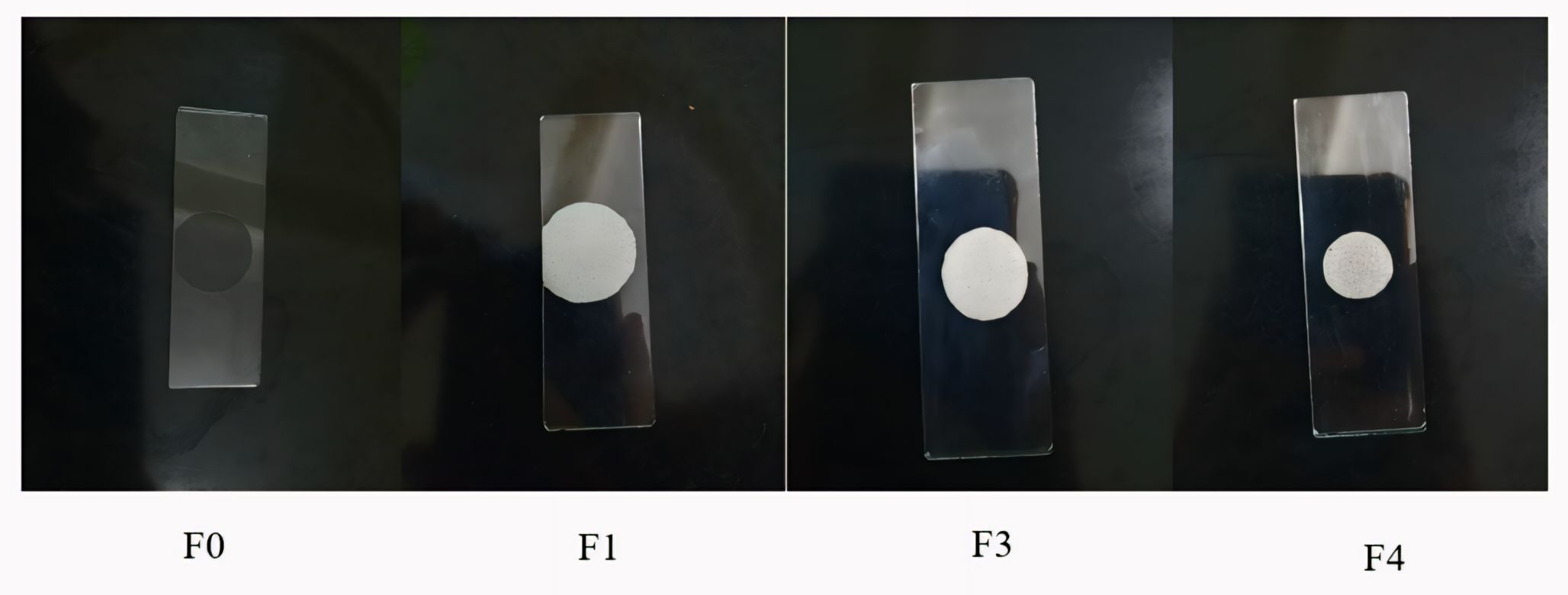
Homogeneity test results showed that all formulas, including K−, F1, F2, and F3, were homogeneous during 4 weeks of storage (Table 2). This homogeneity is characterized by an even distribution of the active ingredient without any coarse particles, thus ensuring consistent drug dosage for each application. The results of this study were characterized by the absence of coarse grains when the preparation was applied to a piece of transparent glass, thus indicating that the gel components, including apigenin and banana stem powder, had been distributed homogeneously. The homogeneity test showed that all gel formulations (F1, F2, and F3) produced a smooth and uniform texture without visible coarse particles or phase separation when observed under a glass slide.
| Formula | Week | |||
|---|---|---|---|---|
| 1 | 2 | 3 | 4 | |
| K- | Homogeneous | Homogeneous | Homogeneous | Homogeneous |
| F1 | Homogeneous | Homogeneous | Homogeneous | Homogeneous |
| F2 | Homogeneous | Homogeneous | Homogeneous | Homogeneous |
| F3 | Homogeneous | Homogeneous | Homogeneous | Homogeneous |
Organoleptic Test
Organoleptic observations included color, odor, and texture of the preparations. Test results (Table 3) showed a color difference with increasing concentration of banana stem powder. Formula F3, with 10% powder content, was dark gray with a more pungent active ingredient odor, while F1 and F2 were lighter. The texture of all three formulas was relatively thick, stable, and did not change during storage.
| Observation Parameters | K- | F1 | F2 | F3 |
|---|---|---|---|---|
| Aroma | Typical gel | Typical stinging gel | Distinctive gel and active ingredient odor | Distinctive gel and active ingredient odor |
| Color | Cloudy white | Light gray | Gray | Old gray |
| Texture | Thick solid | Slightly runny | Thick | Thick solid |
Observations showed that the shape, odor, and color of the gel combined with apigenin and Ambon banana stem powder did not change before and after storage, thus confirming that the preparation met the organoleptic test requirements. The results of the organoleptic test, including aroma, color, and texture, remained unchanged for 4 weeks.
pH test
The pH values of all formulas ranged from 4.56 to 4.88, which corresponds to the physiological pH of skin (4.5 to 6.5). ANOVA results showed no significant difference between formulas (p = 0.750) (Table 4).
| Formula | pH test | Standard criteria | |||
|---|---|---|---|---|---|
| Replication 1 | Replication 2 | Replication 3 | Mean value ± SD | ||
| K | 5.24 | 4.95 | 4, 46 | 4, 88±0, 39 | Corresponding to normal skin pH |
| F1 | 5.09 | 4.29 | 4, 34 | 4.57±0.44 | |
| F2 | 5.5 | 4.31 | 4, 36 | 4.60±0.47 | |
| F3 | 4.58 | 4.78 | 4, 61 | 4.6±0.10 | |
The pH of the preparation is the same as the skin's pH, providing comfort in using the gel preparation. A gel pH that is too acidic can irritate the skin, while a pH that is too alkaline will cause dry skin and tend to peel. The results of the pH measurement of the gel preparation, a combination of apigenin powder and Ambon banana stem, showed results that meet the pH standards for topical preparations, namely a pH value in the interval of 4.5-6.5, which is the pH value of the skin (12).
Spread Power Test
The spreadability test of all formulas is in the range of 5–7 cm according to the Indonesian Ministry of Health standards (1979), which indicates that the preparation can spread evenly on the skin. The ANOVA results showed p = 0.419 (p > 0.05), so there was no significant difference between the formulas (Table 5). The spreadability test results are shown in Figure 1.
| Formula | Spread Power (cm) | ||||
|---|---|---|---|---|---|
| 0gram | 50gram | 100gram | 150gram | sig | |
| K (-) | 5.2±0 | 6.3±0 | 6.5±0.35 | 6.8±0.56 | 0.419 |
| F1 | 5.0±0.7 | 5.1±0.77 | 6.0±0.7 | 6.2±0.14 | |
| F2 | 5.1±0.63 | 6.0±0.7 | 6.2±0.14 | 6.7±0 | |
| F3 | 5.5±0.35 | 6.7±0.49 | 6.9±0.63 | 7.0±0.7 | |
Effectiveness of Wound Healing in Test Animals
This study demonstrates that the combination gel of Ambon banana stem powder and apigenin effectively accelerated wound healing in Sprague Dawley rats. As shown in Table 6 and Figure 2, the treatment groups (F1, F2, F3) exhibited faster wound contraction compared with the control groups. Formula F3 (10% banana stem powder: 5% apigenin) showed the most rapid healing, reaching complete closure (100%) on day 5, whereas the positive control (Bioplacenton®) achieved 87.8 ± 0.15% healing by day 8, indicating that the combination gel performed comparably or slightly better than the reference product in accelerating wound closure.
| Day | F0 (Untreated) | K (–) Base Gel | K (+) Bioplacenton® | F1 (5%+10%) | F2 (7.5%+7.5%) | F3 (10%+5%) |
|---|---|---|---|---|---|---|
| 0 | 1.50 ± 0.00 | 1.50 ± 0.00 | 1.50 ± 0.00 | 1.50 ± 0.00 | 1.50 ± 0.00 | 1.50 ± 0.00 |
| 2 | 1.40 ± 0.05 (6.7%) | 1.30 ± 0.04 (13.3%) | 1.10 ± 0.03 (26.7%) | 1.00 ± 0.04 (33.3%) | 0.95 ± 0.03 (36.7%) | 0.80 ± 0.02 (46.7%) |
| 4 | 1.25 ± 0.06 (16.7%) | 1.00 ± 0.05 (33.3%) | 0.70 ± 0.04 (53.3%) | 0.55 ± 0.03 (63.3%) | 0.45 ± 0.03 (70.0%) | 0.35 ± 0.02 (76.7%) |
| 6 | 1.00 ± 0.08 (33.3%) | 0.85 ± 0.05 (43.3%) | 0.35 ± 0.04 (76.7%) | 0.20 ± 0.02 (86.7%) | 0.15 ± 0.01 (90.0%) | 0.10 ± 0.01 (93.3%) |
| 8 | 0.85 ± 0.05 (43.3%) | 0.70 ± 0.04 (53.3%) | 0.18 ± 0.02 (87.8%) | 0.00 ± 0.00 (100%) | 0.00 ± 0.00 (100%) | 0.00 ± 0.00 (100%) |
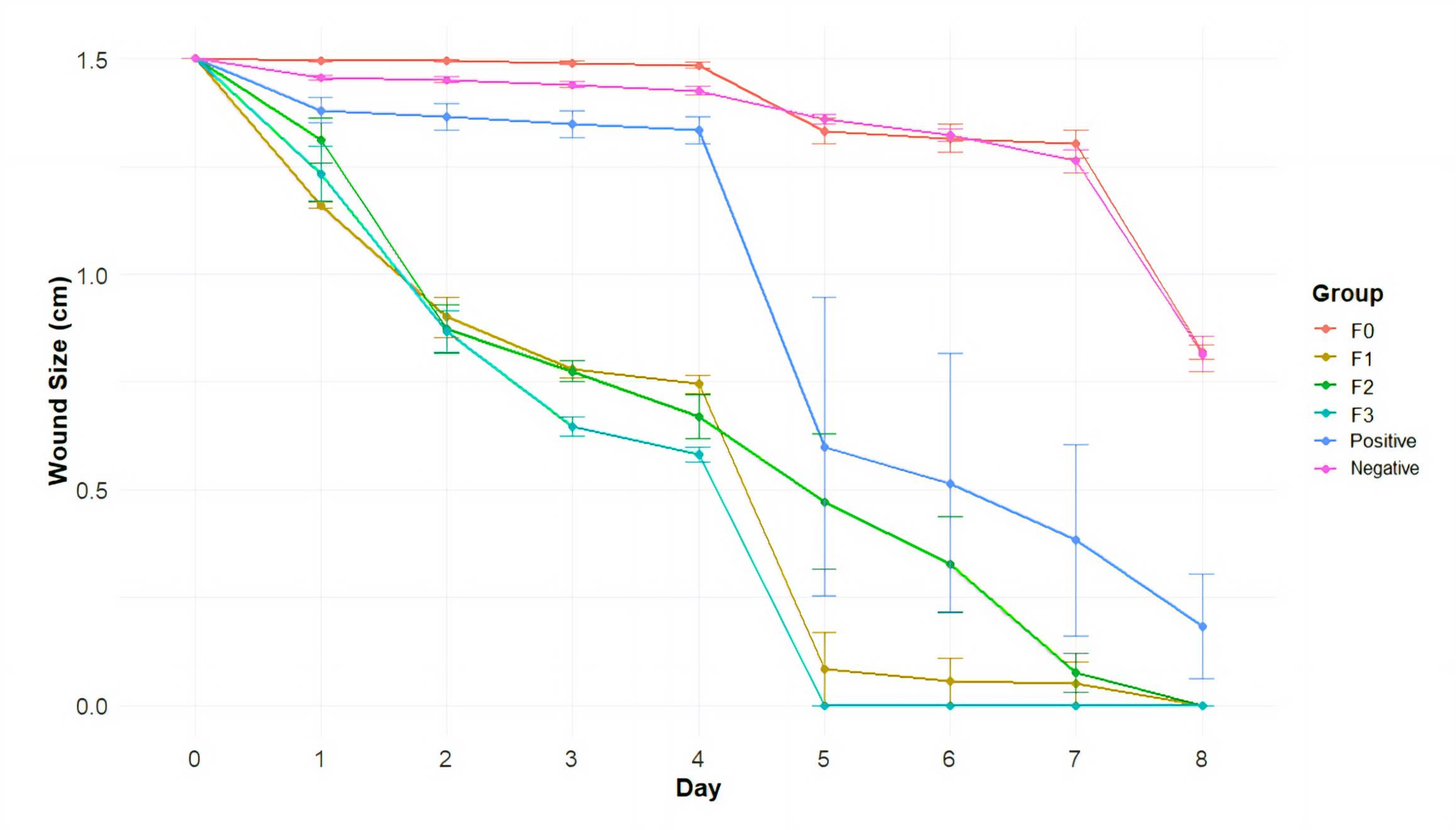
Statistical analysis supported these observations. The residual Q–Q plot confirmed data normality with minor deviations, while the residual-versus-fitted plot revealed heteroscedasticity. Therefore, a Linear Mixed-Effects Model (LMM) was employed for more robust inference. The LMM indicated a significant difference among the groups (p < 0.001). Post-hoc Bonferroni analysis demonstrated that treatment groups F1, F2, and F3 significantly differed from the controls starting from day 2 (p < 0.0001), but no significant differences were detected among the three test formulations. This finding suggests that the combination of banana stem powder and apigenin at concentrations of 5–10% already provides maximal therapeutic benefit as seen in Figure 3.
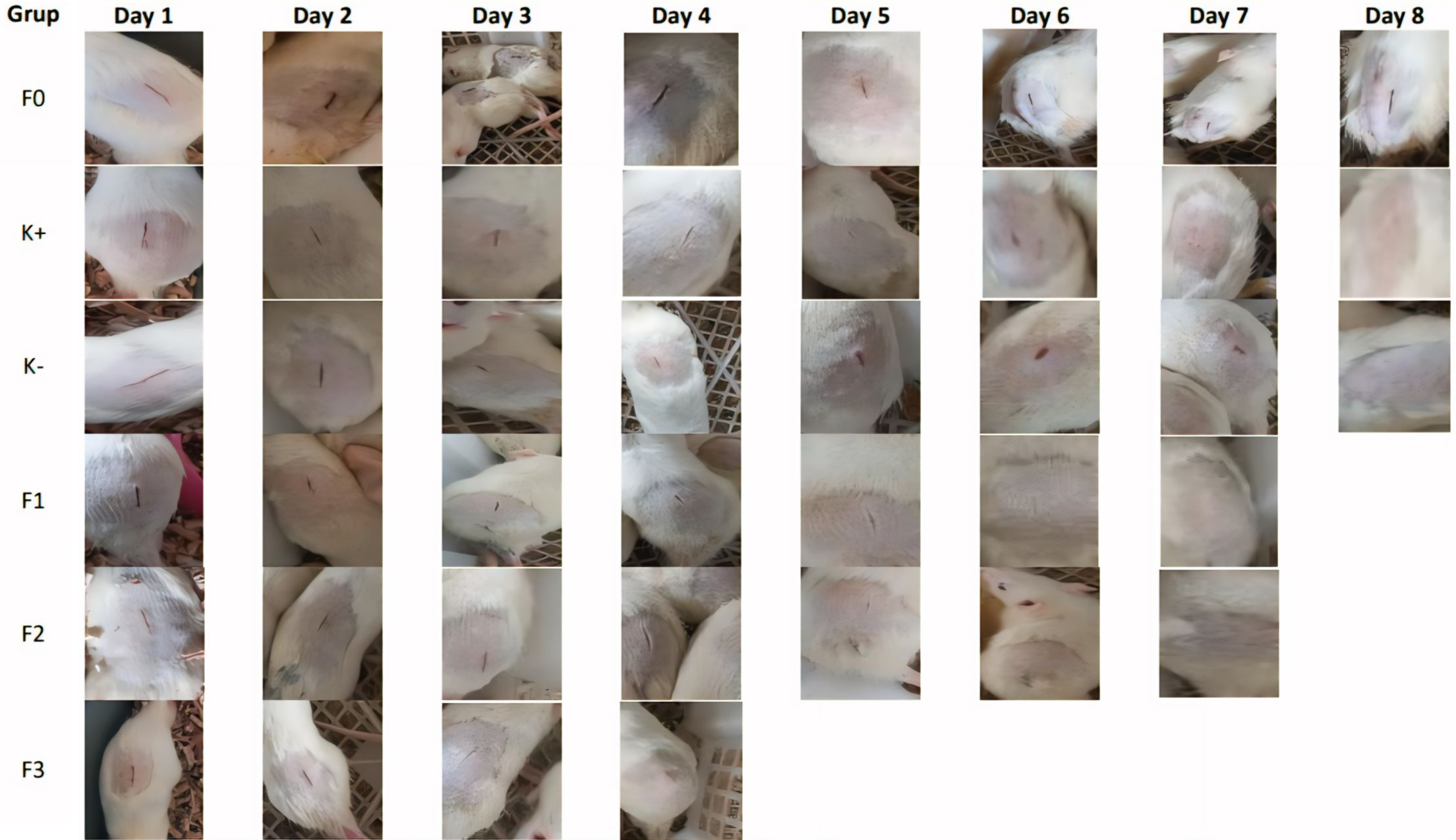
The LMM analysis results showed significant differences between treatment groups in wound healing over time (p < 0.001). Pairwise comparisons with Bonferroni adjustment (Figure 4) showed that on day 0 there were no differences between groups, while from day 2 differences between treatment groups became apparent. F0 consistently had longer wound lengths than groups F1, F2, and F3 (p < 0.0001). The positive control (K+) showed higher results than the treatment formula group from day 2, with a significant difference (p < 0.0001). From days 5 to 7, almost all contrasts between treatment groups with K+ remained significant, and by day 8 F1, F2, and F3 were all significantly different from K+ (p < 0.0001).
From a biological standpoint, the accelerated healing is attributed to the pharmacological synergy between the two active ingredients. Banana stem contains abundant flavonoids, polyphenols, and tannins with antioxidant, antimicrobial, and fibroblast-stimulating activities that facilitate granulation tissue formation and collagen remodeling (13, 14). Apigenin, a natural flavone compound, exerts anti-inflammatory and antioxidant actions through the inhibition of COX-2 expression, reduction of pro-inflammatory cytokines (TNF-α, IL-6), and stimulation of fibroblast proliferation and keratinocyte migration (8, 15). Together, these mechanisms support the transition from the inflammatory to the proliferative phase, leading to faster epithelialization and wound contraction.
The moisture-retaining property of the gel base may contribute to an optimal healing microenvironment by preventing desiccation and maintaining tissue hydration (3, 8, 16). However, in this study, the negative control group (gel base only) did not show marked improvement in healing rate, indicating that the moisturizing effect alone was insufficient to accelerate wound closure. Therefore, the observed enhancement in wound healing can primarily be attributed to the active components (apigenin and banana stem powder) rather than the gel base itself (17-19).
This finding is consistent with Winter's (1962) study, which showed that moisture in the wound environment accelerates epithelialization (20), and Purnamawati et al. (2019), who emphasized that gel bases can support moisture but optimal effects are only achieved when active substances are added (21). These results are also in line with Wakkary et al. (2017) who proved the effectiveness of banana sap extract in wound healing (7), and Li (2024) who showed that apigenin accelerated wound closure (10). Modern research also confirms that flavonoids in general have angiogenic and anti-inflammatory effects that play a role in accelerating wound healing (4, 22).
Recent studies have emphasized that synergistic combinations of polyphenol-rich extracts and flavonoids can modulate multiple phases of wound repair. For instance, Zulkefli et al. (2023) highlighted the role of flavonoids in enhancing angiogenesis and fibroblast migration (22), while Umapathi et al. (2025) demonstrated the efficacy of banana stem fiber–based biopolymers in promoting re-epithelialization (14). Moreover, Majma Sanaye et al. (2022) and Salehi et al. (2019) reported that apigenin directly reduces oxidative stress markers such as malondialdehyde (MDA) and increases superoxide dismutase (SOD) activity, which aligns with the current findings that wound contraction was faster in apigenin-containing formulations (3, 23).
Overall, the study reinforces the potential of combining flavonoid-rich botanical extracts with apigenin to achieve superior wound-healing efficacy. While Bioplacenton® served as a useful reference for comparative purposes, the plant-based gel demonstrated comparable effectiveness without containing synthetic antibiotics, highlighting its promise as a safer phytopharmaceutical candidate for topical wound management.
This study focused primarily on macroscopic wound-closure parameters. Microscopic and histopathological evaluations such as collagen deposition, epithelial thickness, and neovascularization were not performed, which limits the mechanistic interpretation of tissue regeneration. Future work should incorporate histological analysis and biochemical markersto confirm the observed healing effects at the cellular level.
Conclusion
This study demonstrated that the gel formulation combining Ambon banana stem powder (M. acuminata) and apigenin supported faster wound contraction in Sprague Dawley rats. All test formulations (F1, F2, and F3) showed a statistically significant improvement in wound closure compared with the negative and untreated control groups. Formula F3 (10% banana stem powder: 5% apigenin)showed the most rapid macroscopic healing trend, achieving complete closure by day 5, whereas Bioplacenton® reached approximately 87.8 ± 0.15% by day 8. From a formulation standpoint, the gels exhibited favorable physicochemical characteristics, including homogeneity, pH (4.5–6.5), and spreadability (5–7 cm) that ensured ease of application and maintained wound-site moisture. Statistical analysis supported the observed wound-closure trends; however, biological validation through histological and biochemical assays was not performed, which limits the strength of mechanistic claims. Therefore, while the findings suggest that the combination gel improves wound contraction, it cannot yet be concluded as definitively “effective” or “superior” without further validation. Future studies should incorporate histopathological examination, oxidative stress markers, and inflammatory cytokine analysis to confirm the biological mechanisms underlying the observed effects. Overall, the combination gel demonstrates promising preliminary potential as a topical phytopharmaceutical formulation for wound care, but additional biological evidence is necessary to substantiate its therapeutic efficacy.
Declarations
Conflict of Interest
The authors declare no conflicting interest.
Data Availability
The data supporting the findings of this study are available from the corresponding author upon reasonable request.
Ethics Statement
This study was conducted in accordance with the ethical principles of research involving experimental animals, as outlined in the Declaration of Helsinki. All participants provided informed consent prior to participation. This study protocol was approved by the Health Research Ethics Committee of Muhammadiyah University of Purwokerto under ethics permit number KEPK/UMP/21/I/2025.
Funding Information
The author(s) declare that no financial support was received for the research, authorship, and/or publication of this article.
References
- Sen CK. Human wounds and its burden: an updated compendium of estimates. Adv Wound Care. 2019;8(2):39–48.
- Rosmainar L. Efektivitas antibakteri salep dari getah bonggol pisang terhadap bakteri Staphylococcus aureus. Akta Kim Indon. 2021;6(1):28–40.
- Sanaye PM, et al. Apigenin and its dermatological applications: a comprehensive review. Phytochemistry. 2022;203:113390
- Eming SA, Martin P, Tomic-Canic M. Wound repair and regeneration: mechanisms, signaling, and translation. Sci Transl Med. 2014;6(265):265sr6.
- Amutha K, Selvakumari U. Wound healing activity of methanolic stem extract of Musa paradisiaca Linn. (Banana) in Wistar albino rats. Int Wound J. 2016;13(5):763–7.
- Cheng YZ, Liu IM, Cheng JT, Lin BS, Liu F. Wound healing is promoted by Musa paradisiaca (banana) extract in diabetic rats. Arch Med Sci. 2020;20(2):632.
- Wakkary JJ, Durry M, Kairupan C. Pengaruh pemberian getah bonggol pisang (Musa paradisiaca var. sapientum L. Kuntze. AAB) terhadap penyembuhan luka sayat pada kulit tikus Wistar (Rattus norvegicus). eBiomedik. 2017;5(1).
- Rizka R, Yuandani, Sumaiyah. Wound healing and antimicrobial activities of a spray gel of banana (Musa paradisiaca L.) peel extract in rabbit (Oryctolagus cuniculus) models. J HerbMed Pharmacol. 2023;12(4):567–74.
- Allemailem KS, et al. Apigenin: a bioflavonoid with a promising role in disease prevention and treatment. Biomedicines. 2024;12(6):1353.
- Li K, Wu L, Jiang J. Apigenin accelerates wound healing in diabetic mice by promoting macrophage M2-type polarization via increasing miR-21 expression. Mol Cell Biochem. 2024; 479(11):3119–27.
- Sukmawan YP, Alifiar I, Nurdianti L, Ningsih WR. Wound Healing Effectivity of the Ethanolic Extracts of Ageratum conyzoides L. Leaf (White and Purple Flower Type) and Centella asiatica and Astaxanthin Combination Gel Preparation in Animal Model. Turkish J Pharm Sci. 2021 ;18(5):609–15.
- Lestari IT, Yativa RP, Dewi YR. Formulasi Gel Kombinasi Ekstrak Etanol Kulit Pisang Ambon (Musa paradisiaca var. sapientum) dan Madu Trigona dengan Basis Na-CMC. Pharmasipha Pharm J Islam Pharm. 2021;5(2):32–40.
- Amutha K, Selvakumari U. Wound healing activity of methanolic stem extract of Musa paradisiaca Linn. (Banana) in Wistar albino rats. Int Wound J. 2016;13(5):763–7.
- Umapathi K, et al. Exploring the synthesis and biomedical potential of banana stem fiber for antimicrobial and wound healing applications. Discover Appl Sci. 2025;7(6):613.
- Pereira A, Maraschin M. Banana (Musa spp) from peel to pulp: ethnopharmacology, source of bioactive compounds and its relevance for human health. J Ethnopharmacol. 2015;160:149–63.
- Salehi B, Venditti A, Sharifi-Rad M, Kręgiel D, Sharifi-Rad J, Durazzo A, et al. The therapeutic potential of Apigenin. Int J Mol Sci. 2019;20(6).
- Kolimi P, Narala S, Nyavanandi D, Youssef AAA, Dudhipala N. Innovative Treatment Strategies to Accelerate Wound Healing: Trajectory and Recent Advancements. Cells. 2022;11(15).
- Rifasanto MI, Apriasari ML, Taufiqurrahman I. The Effect of Mauli Banana (Musa acuminata) Stem Extract Gel Application with 37.5% Concentration on Fibroblast Cell Count (In Vivo Study on Wound Healing Process of Male Wistar Rat (Rattus norvegicus) Buccal Mucosa). Dentino J Kedokt Gigi. 2018;3(1):1–6.
- Apriasari ML, Endariantari A, Oktaviyanti IK. The effect of 25% Mauli banana stem extract gel to increase the epithel thickness of wound healing process in oral mucosa. Dent J (Majalah Kedokt Gigi). 2015;48(3):150.
- WINTER GD. Formation of the scab and the rate of epithelization of superficial wounds in the skin of the young domestic pig. Nature. 1962;193:293–4.
- Purnamawati S, Indrastuti N, Danarti R, Saefudin T. The Role of Moisturizers in Addressing Various Kinds of Dermatitis: A Review. Clin Med Res. 2017;15(3–4):75–87.
- Zulkefli N, Che Zahari CNM, Sayuti NH, Kamarudin AA, Saad N, Hamezah HS, et al. Flavonoids as Potential Wound-Healing Molecules: Emphasis on Pathways Perspective. Int J Mol Sci. 2023;24(5).
- Salehi B, Venditti A, Sharifi-Rad M, Kręgiel D, Sharifi-Rad J, Durazzo A, et al. The Therapeutic Potential of Apigenin. Int J Mol Sci. 2019;20(6).