RESEARCH ARTICLE
Therapeutic Efficacy of Crinum Asiaticum Leaf Extract Against Aeromonas Hydrophila Infection in Juvenile Common Carp (Cyprinus Carpio L. )
Aquatic Life Sciences|Vol. 2, Issue 2, pp. 70-77 (2025)
CC BY 4.0-2025 Authors
Views
Downloads
Shares

Received
Sep 16, 2025Revised
Nov 19, 2025Accepted
Dec 4, 2025Published
Dec 28, 2025
Abstract
Bacterial infections caused by Aeromonas hydrophila are a major problem in freshwater aquaculture, often leading to high mortality and economic losses. Plant-based alternatives are needed to reduce dependence on synthetic antibiotics and mitigate antimicrobial resistance. This study evaluated the therapeutic efficacy of Crinum asiaticum leaf extract against A. hydrophila infection in juvenile common carp (Cyprinus carpio; 7–9 cm, ±80 g). Fish were immersed in extract solutions at concentrations of 20 mL (P1), 40 mL (P2), and 60 mL (P3) per 36 L of water for a single 45-minute treatment. The experiment followed a Completely Randomized Design (CRD) with three treatments and three replicates. Clinical signs, feeding response, startle reflex, survival rate, and water quality were monitored for 14 days. More than half of the infected fish developed dropsy, exophthalmia, and hemorrhages within 72 hours. Fish treated with 20 mL extract recovered fastest, achieving complete lesion resolution and a 90% survival rate. In contrast, P2 and P3 showed prolonged symptoms and only 10% survival, likely due to physiological stress and mild toxicity caused by higher concentrations that may irritate gill tissues. Water quality remained within optimal ranges throughout the trial. The superior therapeutic performance of the 20 mL concentration is likely attributable to the synergistic action of alkaloids and flavonoids at moderate levels, which enhance antimicrobial activity without inducing stress. These findings indicate that 20 mL is the most effective and safest concentration for immersion therapy, reinforcing the potential of C. asiaticum as a natural treatment for sustainable freshwater aquaculture.
Introduction
Aquaculture plays a pivotal role in meeting the increasing global demand for protein-rich food. Among freshwater commodities, common carp (Cyprinus carpio L. ) is highly valued and widely cultivated. In Indonesia, the national production of common carp reached 531, 233 tons in 2022 and is projected to continue rising along with growing consumption (1). Globally, antibiotic use in aquaculture is estimated to exceed 10, 000 tonnes per year, with an increasing trend of around 33 percent by 2030, thus increasing the risk of antimicrobial resistance in aquaculture systems (2).
However, intensification of aquaculture systems has also increased the risk of disease outbreaks, which remain a leading cause of production losses. One of the most destructive pathogens is Aeromonas hydrophila, a Gram-negative opportunistic bacterium (3). This pathogen can infect common carp at all growth stages, especially juveniles, where mortality rates may exceed 80%. Severe outbreaks can escalate rapidly and cause mass mortalities approaching 100%, resulting in significant economic damage to fish farmers (4).
Current treatments for A. hydrophila rely mainly on antibiotics and synthetic chemotherapeutics (5). Although effective in the short term, these approaches raise major concerns, including antimicrobial resistance, drug residues in fish tissue, and environmental risks (6). Such limitations highlight the urgent need for eco-friendly, sustainable alternatives. Using abundant and readily available natural resources is a viable option. Crinum asiaticum L. (daffodils) leaves are a plant part often discarded in landscape maintenance, offering potential for use as a low-cost therapeutic agent (7).
Medicinal plants have attracted increasing attention as potential solutions. C. asiaticum L. (bakung) has long been used in traditional medicine for wound healing and is known to contain bioactive compounds such as alkaloids, triterpenoids, saponins, tannins, and flavonoids (8). Some alkaloids, including crinamine and lycorine, exhibit strong antibacterial activity against Gram-negative pathogens (9). Despite this potential, scientific evaluation of C. asiaticum as a therapeutic agent in aquaculture remains limited, and no standardized dosage has been established for immersion treatment in common carp (10). Previous studies have shown that C. asiaticum extract is able to inhibit the growth of A. hydrophila in vitro and reduce the severity of lesions in experimental fish, although the effective concentration for immersion in goldfish has not been standardized. The mechanism of action is thought to involve damage to bacterial cell membranes, disruption of protein synthesis, and antioxidant activity that supports the fish's immune response (11).
This study addresses this gap by assessing the therapeutic efficacy of C. asiaticum leaf extract against A. hydrophila infection in juvenile common carp. Specifically, it aims to determine the optimal concentration that enhances survival and reduces clinical signs, thereby contributing to sustainable and residue-free disease management in freshwater aquaculture.
Methodology
Study Design
The experiment employed a Completely Randomized Design (CRD) with three treatment groups and three replicates per group, totaling 9 aquaria. Each aquarium measured 60 × 20 × 30 cm and contained 36 L of settled water during the experimental phase. All aquaria were continuously aerated to maintain oxygen stability.
Following bacterial infection, fish were transferred to the treatment aquaria. Crinum asiaticum extract was applied through immersion for 45 min at three concentrations: 20 mL (P1), 40 mL (P2), and 60 mL (P3), each diluted in 36 L of water. The 45-minute exposure period was selected because immersion durations between 30–60 min are widely recommended for botanical extract therapies in freshwater fish, allowing sufficient absorption of bioactive compounds through the gills while avoiding the physiological stress and loss of equilibrium often associated with longer exposures.
After immersion, the treatment water was replaced entirely with clean freshwater, and fish were kept for 14 days to evaluate therapeutic response. Observations included clinical signs, feeding response, startle reflex, survival rate, and water quality.
Experimental Animals and Maintenance
Clinically healthy juvenile common carp with an average weight of approximately 80 g and a total length of 7–9 cm were used in this study and were obtained from a certified hatchery located in BBIAT Muntilan, Magelang, Central Java. Fish were acclimatized for 5 days in hapa nets before being transferred to aquaria. The aquaria used for acclimatization measured 60 × 20 × 30 cm and had a capacity of 36 L. Water quality was maintained under optimal conditions (temperature: 25 ± 1 °C, pH: 7.2 ± 0.2, dissolved oxygen: > 5 mg L⁻¹). During acclimatization, fish were fed a floating commercial pellet diet containing 30 percent crude protein at a feeding rate of 5 percent body weight per day, offered twice daily at 09.00 and 15.00.
Only fish displaying normal swimming behavior, no external lesions, and zero mortality during acclimatization were selected. A total of 90 fish were used, stocked at 10 fish per aquarium (3 treatments × 3 replicates). This process ensured all fish were in a stable physiological condition before the treatment phase
Pathogen Preparation and Infection Procedure
A. hydrophila used in this study originated from the Integrated Laboratory of the Faculty of Agriculture, Universitas Tidar. The isolate was reactivated on Tryptic Soy Agar (TSA) at 30°C for 24 h, followed by culturing in Tryptic Soy Broth (TSB) for an additional 24 h.
The bacterial suspension was prepared using the dilution method from the original protocol. After centrifugation at 10, 000 rpm for 30 min, the pellet was resuspended in 9 mL sterile NaCl and centrifuged again to achieve a final concentration of 1.5 × 10² CFU/mL.
Before intramuscular injection, fish were anesthetized using clove oil (40–50 mg/L) to reduce handling stress and ensure humane procedures. Anesthetized fish were injected intramuscularly with 1 mL of bacterial suspension. After injection, fish were observed for 24 h to confirm clinical signs of infection before treatment began.
Preparation of Crinum Asiaticum Extract
Fresh C. asiaticum leaves were washed and air-dried for one day. The dried leaves were ground into a powder, and 1800 g of simplicia were macerated using 18 L of 95% ethanol for three cycles of 24 h each, with periodic stirring for 15 min daily.
The filtrate was passed through Whatman No. 1 paper, and the solvent was removed using a rotary evaporator at 70 °C and 120 rpm to obtain a concentrated extract free of ethanol residues. The extract was stored at 4 °C in amber vials until use.
Data Collection
Survival rate (SR) was determined at the end of the 14-day post-treatment observation period according to Eq. 1.
Eq. 1 | Nₜ = Number of fish alive at the end, N₀ = Initial number of fish stocked in each aquarium.
where Nₜ is the number of fish alive at the end of the experiment and N₀ is the initial number of fish stocked in each aquarium. Clinical signs (dropsy, exophthalmia, hemorrhagic lesions) were recorded daily through direct visual inspection following standardized fish health assessment procedures.
Water quality parameters (temperature, pH, and dissolved oxygen) were measured twice daily (08: 00 and 16: 00 h) using calibrated instruments to ensure stable environmental conditions across treatments. Data on water quality and clinical signs were analyzed descriptively, consistent with the original protocol.
Statistical Analysis
Survival rate data were subjected to arcsine transformation prior to analysis. A one-way ANOVA was performed under a Completely Randomized Design (CRD) to evaluate the effect of immersion treatments, with significance set at α = 0.05. When the ANOVA indicated a significant treatment effect (F_calculated > F_table), a Least Significant Difference (LSD) post hoc test was conducted to identify pairwise differences among treatments. Descriptive statistics were used to summarize water quality parameters and clinical symptom observations. All analyses were performed using SPSS Statistics (Version 24, IBM Corp. , USA).
Ethical Considerations
All experimental procedures were conducted in accordance with the institutional guidelines for the care and use of aquatic animals in research and were approved by the Ethics Committee of the Faculty of Agriculture, Universitas Tidar. This study was also carried out under the official research permit issued by the Magelang City Government, Investment and One-Stop Integrated Service Office (Letter No. 070/VII.656/330/2024). Efforts were made to minimize animal suffering, and humane endpoints were applied when severe morbidity was observed. A scanned copy of the permit letter has been provided as supplementary material.
Results and Discussion
Clinical Signs
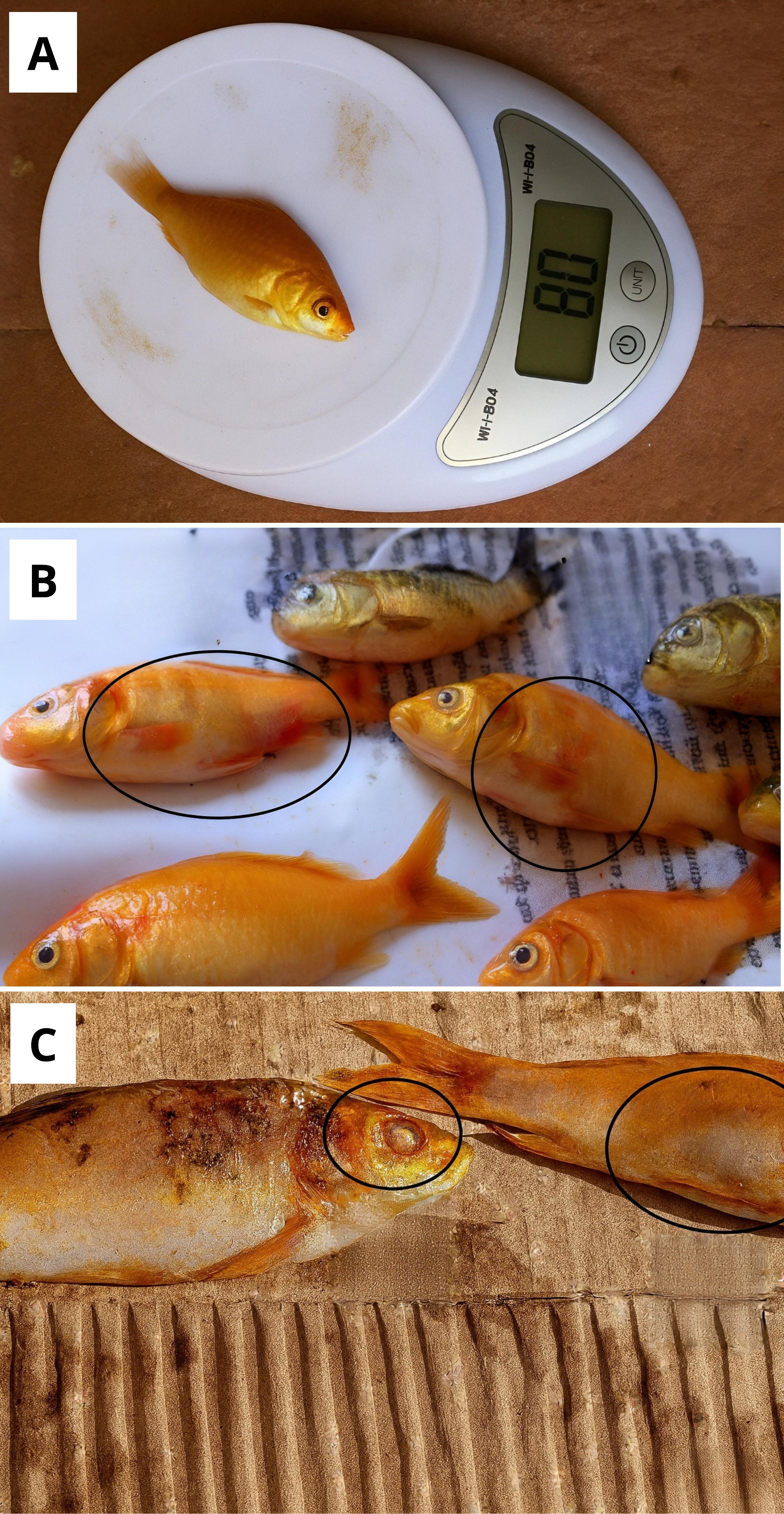
Juvenile common carp (Cyprinus carpio) showed normal physiological conditions before bacterial challenge. Within 72 h after intramuscular injection with A. hydrophila, fish developed typical symptoms including dropsy, exophthalmia, and hemorrhages, consistent with previous reports on A. hydrophila infections in cyprinids (4).
Following immersion treatment, differences among groups became apparent. Fish in P1 recovered faster and exhibited milder symptoms than P2 and P3. Progression of external lesions is summarized in Table 1.
| Day | Treatment concentration (mL/20 L) | ||
|---|---|---|---|
| 1 | P1 (20 mL) | P2 (40 mL) | P3 (60 mL) |
| 2 | – | E, D, H | E, D, H |
| 3 | – | E, D, H | E, D, H |
| 4 | – | E, H | E, H |
| 5 | – | E, H | H |
| 6 | – | E | H |
| 7 | – | E | H |
| 8 | – | E | H |
| 9 | – | E | H |
| 10 | – | E | H |
| 11 | – | E | H |
| 12 | – | – | H |
| 13 | – | – | H |
| 14 | S | S | S |
| Notes: E = Exophthalmia; H = Hemorrhages; D = Dropsy; S = Recovered; – = No clinical signs observed. | |||
Factors Contributing to the Superior Recovery in P1
The faster healing observed in P1 is likely due to optimal levels of alkaloids and other bioactive compounds. Alkaloids such as lycorine and crinamine, together with flavonoids, are known to act synergistically against Gram-negative bacteria and support immune responses at moderate doses (8).
At higher concentrations (P2 and P3), saponins and tannins may become irritating or cytotoxic to gill epithelium, increasing stress and slowing recovery (12). This explains the prolonged symptoms and lower survival in P2 and P3, as reflected in the clinical symptoms shown in Figure 1.
In addition to clinical symptoms, feeding response was used as an additional indicator to evaluate the recovery condition of the fish, as presented in Table 2.
| Day | P1 (20 mL) | P2 (40 mL) | P3 (60 mL) | ||||||
|---|---|---|---|---|---|---|---|---|---|
| Rep. 1 | Rep. 2 | Rep. 3 | Rep. 1 | Rep. 2 | Rep. 3 | Rep. 1 | Rep. 2 | Rep. 3 | |
| 1 | – | – | – | – | – | – | – | – | – |
| 2 | + | + | + | – | – | – | – | – | – |
| 3 | + | + | + | – | – | + | – | – | – |
| 4 | ++ | ++ | ++ | – | – | + | – | + | – |
| 5 | ++ | ++ | ++ | – | – | + | – | + | – |
| 6 | ++ | ++ | ++ | – | – | + | – | + | – |
| 7 | ++ | ++ | ++ | – | – | + | – | + | – |
| 8 | ++ | ++ | ++ | – | – | + | – | + | – |
| 9 | ++ | ++ | ++ | – | – | + | – | + | – |
| 10 | ++ | ++ | ++ | – | – | + | – | + | – |
| 11 | ++ | ++ | ++ | – | – | ++ | – | + | – |
| 12 | ++ | ++ | ++ | – | – | ++ | – | + | – |
| 13 | ++ | ++ | ++ | – | – | ++ | – | ++ | – |
| 14 | ++ | ++ | ++ | – | – | ++ | – | ++ | – |
| Notes: (–) No feeding response; (+) Low feeding response; (++) High feeding response. | |||||||||
Feeding response varied across treatments, with P1 showing the fastest and most noticeable recovery, P2 demonstrating a slower improvement in feeding activity, and P3 exhibiting the weakest and most limited feeding response throughout the entire maintenance period (13, 14). These observable trends clearly reflect differences in clinical severity among treatments, indicating that fish with milder symptoms recovered more rapidly than those with more severe conditions. Furthermore, the startle reflex patterns showed a similar trend and closely paralleled the feeding response, reinforcing the consistency of these behavioral indicators in representing the health status of the fish.
Fish in P1 returned to normal reflex levels from day 4, while P2 and P3 showed delayed recovery. Quick responsiveness in P1 indicates restoration of neuromuscular function (15). These differences are further illustrated by the startle response data presented in Table 3.
| Day | P1 (20 mL) | P2 (40 mL) | P3 (60 mL) | ||||||
|---|---|---|---|---|---|---|---|---|---|
| Rep. 1 | Rep. 2 | Rep. 3 | Rep. 1 | Rep. 2 | Rep. 3 | Rep. 1 | Rep. 2 | Rep. 3 | |
| 1 | – | – | – | – | – | – | – | – | – |
| 2 | + | + | + | – | – | – | – | – | – |
| 3 | + | + | + | – | – | + | – | + | – |
| 4 | ++ | ++ | ++ | – | – | + | – | + | – |
| 5 | ++ | ++ | ++ | – | – | + | – | + | – |
| 6 | ++ | ++ | ++ | – | – | + | – | + | – |
| 7 | ++ | ++ | ++ | – | – | + | – | + | – |
| 8 | ++ | ++ | ++ | – | – | + | – | + | – |
| 9 | ++ | ++ | ++ | – | – | + | – | + | – |
| 10 | ++ | ++ | ++ | – | – | + | – | + | – |
| 11 | ++ | ++ | ++ | – | – | ++ | – | ++ | – |
| 12 | ++ | ++ | ++ | – | – | ++ | – | ++ | – |
| 13 | ++ | ++ | ++ | – | – | ++ | – | ++ | – |
| 14 | ++ | ++ | ++ | – | – | ++ | – | ++ | – |
| Notes: (–) No startle response; (+) Low startle response; (++) High startle response. | |||||||||
Startle responses varied among treatments, indicating differences in physiological condition and behavioral performance of the fish. The strongest reflexes, elicited by tapping the aquarium wall, were observed in P1 (20 mL), where fish consistently exhibited normal swimming behavior and high startle responses from day 4 to day 14 of the observation period. In contrast, fish in P2 (40 mL) and P3 (60 mL) demonstrated delayed reflex recovery, suggesting a reduced ability to respond promptly to external disturbances. These findings are consistent with Zamzami (2012), who reported that healthy fish are characterized by active swimming patterns, normal feeding behavior, and rapid responses to external stimuli, indicating that both the fish and their aquatic environment are free from A. hydrophila (16).
Survival Rate
P1 achieved a significantly higher survival rate (90%) compared to P2 (10%) and P3 (10%) (p = 0.002). These findings indicate that the therapeutic effect of Crinum asiaticum is strongly dose-dependent, with moderate concentrations providing a more effective and safer therapeutic window. Similar patterns have been reported in previous studies demonstrating dose-dependent toxicity and the need for optimal immersion dosages in plant-based treatments (17).
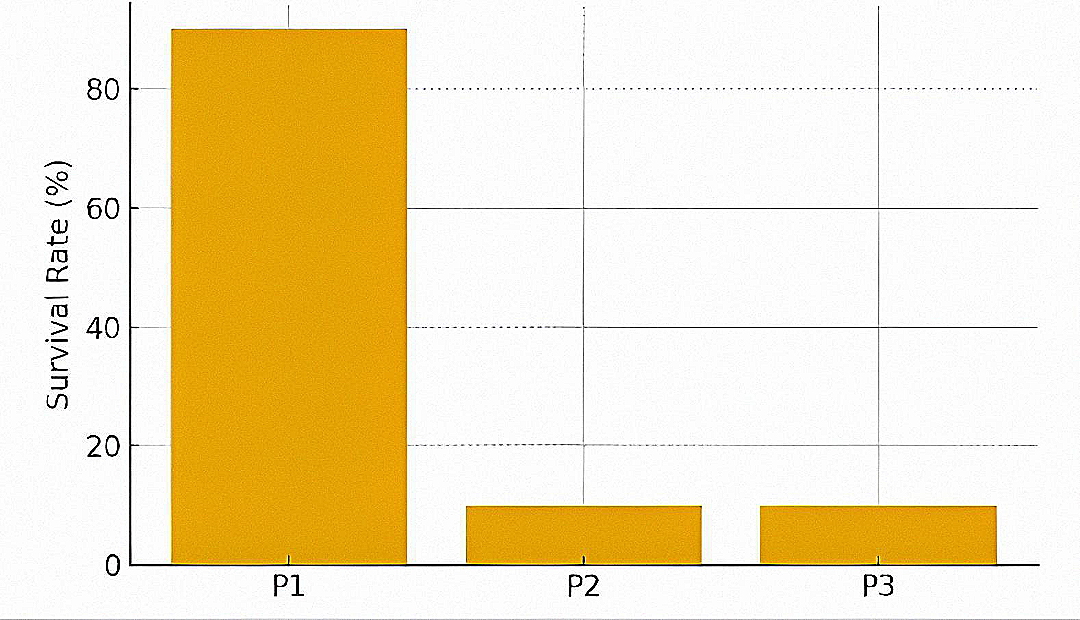
Bars represent mean ± SD. Different letters indicate significant differences at p < 0.05 (LSD test).
The superior performance of P1 is likely attributable to the extract concentration remaining within the physiological tolerance of the fish, supported by stable water quality conditions. In contrast, the elevated concentrations in P2 and P3 triggered substantial mortality, primarily within the first day of exposure, suggesting intolerance to higher levels of bioactive compounds.
Phytochemical analysis of C. asiaticum leaf extract shows high concentrations of alkaloids (33.35 mg/mL), saponins (25.41 mg/mL), and flavonoids (21.16 mg/mL), along with tannins, glycosides, and triterpenoids. While these compounds possess antimicrobial and anti-inflammatory properties, excessively high concentrations, particularly tannins and saponins, can exhibit toxic effects. Saponins may form persistent surface foam, reduce oxygen availability, penetrate gill epithelia, bind hemoglobin, and cause erythrocyte hemolysis, ultimately leading to mortality.
Thus, C. asiaticum extract demonstrates clear therapeutic potential, but its effectiveness is highly dose-dependent. Precise dosage control is essential, as overdosing not only increases mortality through direct toxicity but also amplifies physiological stress responses.
Survival rate data were arcsine-transformed to meet normality assumptions. Differences among treatments were evaluated using one-way ANOVA under a Completely Randomized Design (CRD). When significant differences were detected (p < 0.05), a Least Significant Difference (LSD) post-hoc test was applied. All analyses were conducted using SPSS Statistics (Version 24, IBM Corp. , USA). The ANOVA results are presented in Table 4.
| Source of Variation | Degrees of Freedom (df) | Sum of Squares (SS) | Mean Square (MS) | F-value | F-table (0.05) | F-table (0.01) | p-value |
|---|---|---|---|---|---|---|---|
| Treatment | 2 | 12, 800 | 6, 400 | 21.33 | 5.14 | 10.92 | 0.002 |
| Error | 6 | 1, 800 | 300 | ||||
| Total | 8 | 14, 600 |
One-way ANOVA results indicated a highly significant effect of Crinum asiaticum immersion on the survival rate of Cyprinus carpio juveniles infected with A. hydrophila (F = 21.33 > F₀. ₀₅ = 5.14, p = 0.002). At a 95% confidence level (α = 0.05), these findings support the acceptance of H₁ and rejection of H₀, confirming that treatment dose had a significant influence on fish survival. Given the significant ANOVA result, a Least Significant Difference (LSD) post hoc test was performed to determine the pairwise differences in survival rates among the treatment groups.
The post-hoc Least Significant Difference (LSD) test was performed to determine the significance of differences among treatments. The results, indicate that the P1 treatment group had a significantly higher survival rate compared to P2 and P3, which did not differ significantly from each other, as shown in Table 5.
| Treatment | Mean Survival Rate (%) | Mean + LSD | Group Letter |
|---|---|---|---|
| P2 | 10% | 44.59 | a |
| P3 | 10% | 44.59 | a |
| P1 | 90% | 124.59 | b |
| Different letters indicate significant differences between treatments at α = 0.05. | |||
Water Quality Parameters
Water quality parameters remained within acceptable ranges for carp culture throughout the 14-day observation period, indicating that environmental conditions did not contribute to mortality or clinical deterioration in any treatment group (18). Temperature was maintained at 25 ± 1 °C, within the optimal physiological range for Cyprinus carpio, supporting metabolic stability and immune function. Dissolved oxygen levels remained above 5 mg/L⁻¹, preventing hypoxia-induced stress that can exacerbate hemorrhagic symptoms or impair recovery. Similarly, pH values (7.2 ± 0.2) remained within the ideal neutral–slightly alkaline range, minimizing risks of acid–base imbalance that could irritate gill tissues.
Although water quality remained stable across treatments, differences in fish performance were still observed, suggesting that the contrasting outcomes were primarily driven by extract concentration rather than environmental stress (18). The rapid recovery and high survival in P1 (20 mL) indicate that fish were able to maintain normal physiological processes under moderate extract exposure, which did not disrupt oxygen uptake or osmoregulatory functions. Conversely, elevated mortality in P2 and P3 occurred despite optimal water quality, implying that higher concentrations imposed physiological stress independent of environmental conditions.
Saponins and tannins present in C. asiaticum extract may increase gill permeability or form surface foam, reducing oxygen diffusion efficiency. At high concentrations, these effects can heighten susceptibility to infection and impair behavioral responses such as feeding and startle reflexes. Thus, stable water quality confirms that the poor outcomes in P2 and P3 were not environmentally induced but were instead associated with concentration-dependent toxicity of the extract.
Temperature
Water temperature is a key environmental parameter influencing fish survival, metabolism, immunity, and susceptibility to pathogens (19). Optimal temperature for common carp (Cyprinus carpio) ranges between 22–28 °C and is commonly reported to support normal physiological function and growth. Extreme deviations, either too low or too high, can disrupt metabolic processes, reduce dissolved oxygen levels, trigger stress responses, and increase the incidence of bacterial diseases (20). Temperature fluctuations may also elevate ammonia concentrations, which negatively affect fish health (21), as shown in Figure 3.
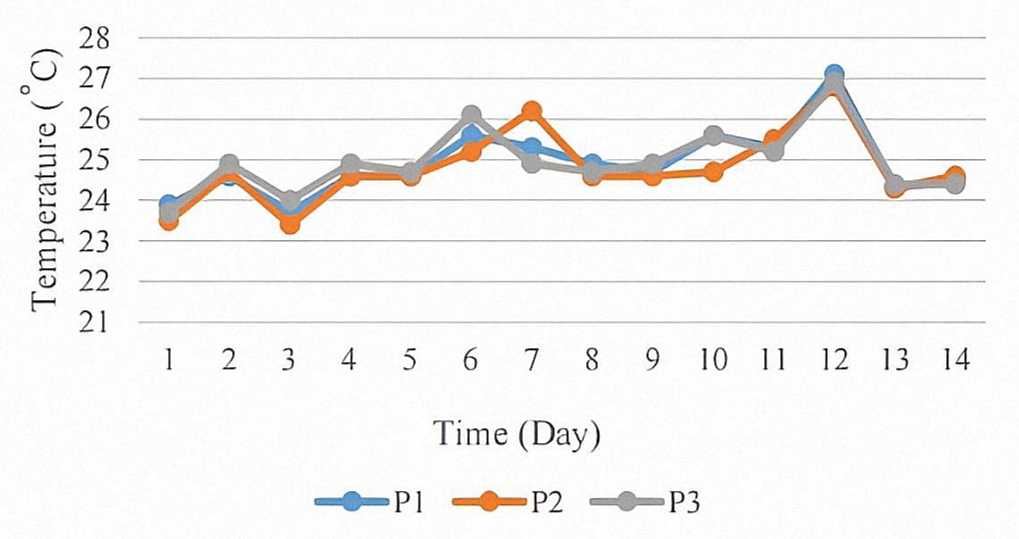
In this study, the average daily temperature during the 14-day maintenance period is presented. During the first week, water temperature ranged from 23.6–26.2 °C, while in the second week it ranged from 24.3–27.1 °C. These variations were influenced primarily by weather conditions. The first week experienced sunny mornings followed by cloudy afternoons, reducing direct sunlight exposure. In contrast, the second week had more partly sunny days, resulting in slightly higher temperatures.
All treatments maintained comparable average temperatures because they were reared under identical environmental conditions. This finding is consistent with Faizati et al. (2021), who reported that fish cultured in the same location and using the same water sources exhibit similar temperature profiles (22). Throughout the study, temperature remained within the optimal culture range for common carp (22–30 °C) (23).
Given that temperature remained within the species’ tolerance limits and showed no significant difference among treatments, it did not contribute to variations in survival rate (SR). This is supported by recent literature indicating that when temperature is within optimal limits, mortality associated with A. hydrophila is influenced more by pathogen load and host physiological tolerance than by water temperature itself (24).
pH
pH is a key water quality parameter that must be continuously monitored in aquaculture systems. The pH scale ranges from 1 to 14, with lower values indicating acidic conditions and higher values indicating alkaline conditions, while a value of 7 is considered neutral (25). For common carp (Cyprinus carpio), the recommended pH range for optimal growth and survival is 6.5–8.5 (26). In this study, the average daily pH measured during the 14-day maintenance period is shown in Figure 4.
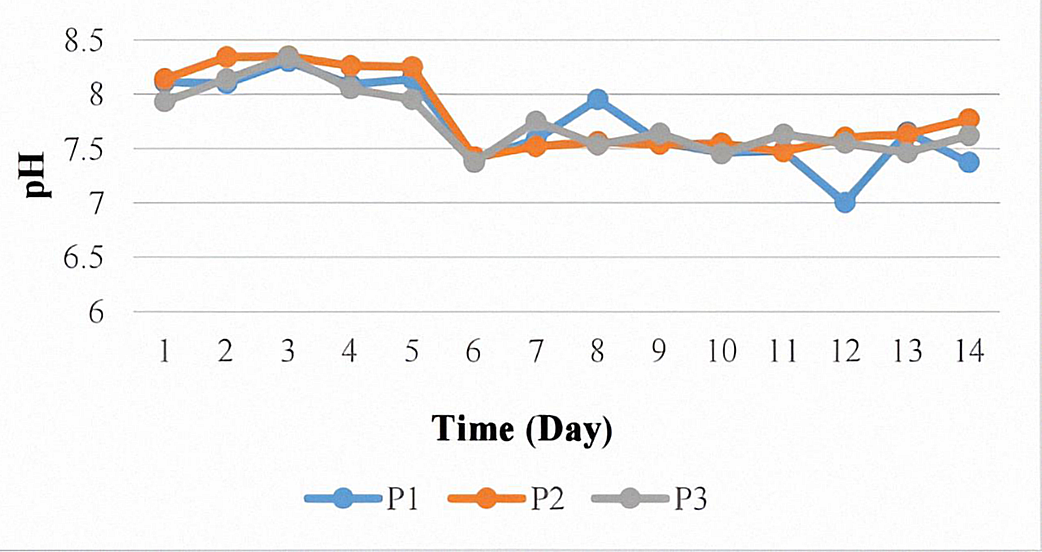
During the first week, pH values ranged from 7.3 to 8.3, while in the second week they ranged from 7.0 to 7.9. These values fall within the acceptable range for Cyprinus carpio culture (27), indicating stable and favorable water conditions throughout the study. Minimal variation among treatments was expected because all fish were maintained under identical rearing conditions, aligning with Cahyono (2004), who reported that low alkalinity environments tend to reduce drastic pH fluctuations (28).
Maintaining pH within the optimal range is essential for supporting fish health, growth, and immune function. Deviations from the ideal range, either too acidic or too alkaline, can cause physiological stress, impair metabolic processes, and increase disease susceptibility (29). Acidic conditions (pH 5–5.5) may accelerate bacterial proliferation, whereas highly alkaline levels (pH > 11) can be lethal to fish. The stable pH values observed in this study, therefore, indicate that the aquarium environment was well-managed, providing suitable conditions for fish survival throughout the experiment.
Dissolved Oxygen (DO)
Dissolved oxygen is a key limiting factor for fish survival, as fish rely on gill respiration to extract oxygen from the water. Optimal DO levels for cultured fish range from ≥ 4–5 mg/L (30). DO levels are influenced by temperature, organic waste decomposition, and aeration efficiency (31).
Boyd (1998), in Yanuar (2017), explains that oxygen solubility increases at lower temperatures and decreases as water warms, while metabolic oxygen demand rises with temperature (32). The average daily DO values during the study are shown in Figure 5.
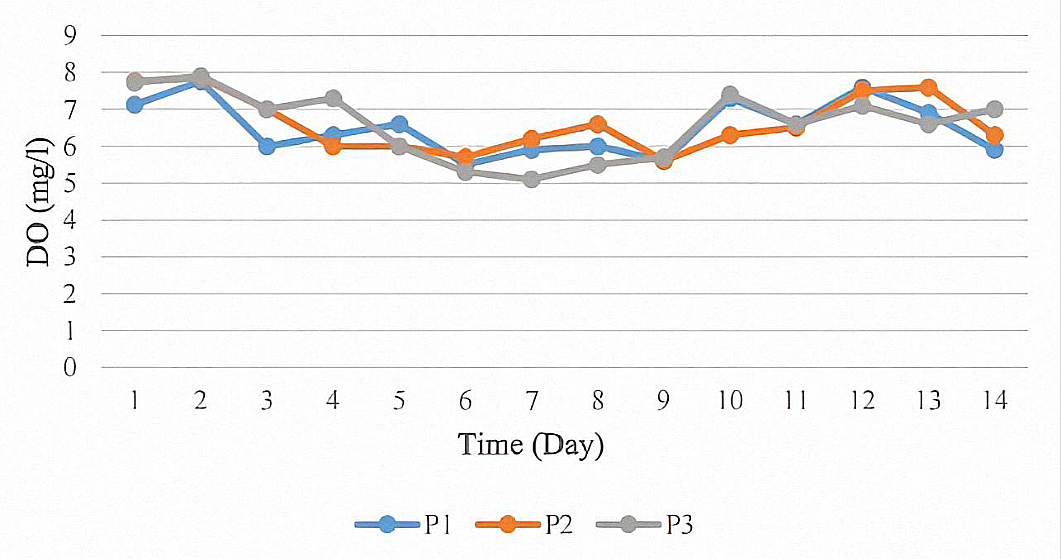
DO values during the first week ranged from 5.1–7.8 mg/L, and from 5.5–7.6 mg/L in the second week. These values exceed the minimum threshold for common carp culture (33). Stable DO concentrations were facilitated by continuous aeration throughout the rearing period. Suboptimal DO can trigger stress, impair physiological functions, and cause mortality through anoxia, where tissues fail to bind sufficient oxygen (34). Adequate DO is vital for metabolism and overall health, reaffirming its importance as a limiting factor in aquaculture (35).
Conclusion
This study demonstrates that C. asiaticum leaf extract has significant therapeutic potential against A. hydrophila infection in juvenile common carp. Among the tested concentrations, 20 mL per 36 L provided the highest therapeutic benefit, reflected by faster clinical recovery and a 90% survival rate, whereas higher concentrations were less effective and associated with reduced survival. The enhanced efficacy of the 20 mL dose is likely due to the optimal balance of bioactive compounds, which delivers antimicrobial and immunostimulatory effects without causing the physiological stress observed at higher concentrations. These results highlight C. asiaticum as a promising natural alternative for sustainable and antibiotic-free disease management in freshwater aquaculture. Further research is recommended to validate safety thresholds, refine dosage protocols, and evaluate field-scale applicability.
Declarations
Conflict of Interest
The author declares no conflicting interest.
Data Availability
The unpublished data is available upon request to the corresponding author.
Ethics Statement
Ethical approval was not required for this study.
Funding Information
The author declares that no financial support was received for the research, authorship, and/or publication of this article.
References
- Khairuman D, Sudenda, Gunadi B. Budidaya Ikan Mas Secara Intensif. Jakarta: Agromedia Pustaka; 2008.
- Schar D, Klein EY, Laxminarayan R, Gilbert M, Van Boeckel TP. Global trends in antimicrobial use in aquaculture. Scientific Reports. 2020;10(1):21878.
- Bahariyanto DR, Amalo P, Pratiwi R. Uji Makroskopik dan Biokimia terhadap Aeromonas hydrophila sebagai Upaya Diagnostik Infeksi Bakteri pada Ikan Nila Oreochromis niloticus. Jurnal Megaptera. 2025;4(1):21–30.
- Semwal A, Kumar A, Kumar N. A review on pathogenicity of Aeromonas hydrophila and their mitigation through medicinal herbs in aquaculture. Heliyon. 2023;9(3):e14088.
- Ramadhan DE, Ansori MIR, Maulana MR, Putri MM, Anisa A, Juliansyah R, et al. Uji Efektivitas Antibiotik Cyprofloxacin, Enrofloxacin, Oxytetracycline untuk Menghambat Bakteri Patogen Aeromonas hydrophila secara In Vitro dan In Vivo. Jurnal Megaptera. 2025;4(1):33–43.
- Milijasevic M, Veskovic-Moracanin S, Babic Milijasevic J, Petrovic J, Nastasijevic I. Antimicrobial resistance in aquaculture: Risk mitigation within the One Health context. Foods. 2024;13(15):2448.
- Rakhi SA, Hara Y, Islam MdS, Manome T, Alam S, Emon NU, et al. Isolation of bioactive phytochemicals from Crinum asiaticum L. along with their cytotoxic and TRAIL-resistance abrogating prospect assessment. Heliyon. 2024;10(3):e25049.
- Kongkwamcharoen C, Itharat A, Pipatrattanaseree W, Ooraikul B. Effects of various preextraction treatments of Crinum asiaticum leaf on its anti-inflammatory activity. Evidence-Based Complementary and Alternative Medicine. 2021;2021:1–9.
- Ilavenil S, Kaleeswaran B, Ravikumar B. Evaluation of antibacterial activity and phytochemical analysis of Crinum asiaticum. 2010.
- Babushetty V. Structure, history, phytochemistry, pharmacology, and toxicology Asian Crinum Lily Plant. International Advance Journal of Engineering, Science and Management. 2021:1–7.
- Das R, Goswami S, Pal M, Chowdhury D, Sukul T, Bag S, et al. Assessment of antibacterial activity of leaf extracts of Crinum asiaticum L. against five gram negative fish pathogenic bacterial strains. The Microbe. 2025;7:100319.
- Podolak I, Galanty A, Sobolewska D. Saponins as cytotoxic agents: A review. Phytochemistry Reviews. 2010;9(3):425–474.
- Yulvizar C, Dewiyanti I, Defira CN, Muchlisin ZA, Suhartono S. Pathogenicity assay of probiotic-potential bacteria from the common carp Cyprinus carpio. Aquaculture, Aquarium, Conservation & Legislation. 2015;8(5):694-698.
- Lestari A, Nurliah, Astriana BH. The effect of giving onion (Allium sativum) extract to treat the seed of tilapia (Oreochromis niloticus) bacterial infected Aeromonas hydrophila. Journal of Fish Health. 2021;1(2):80–87.
- Dewell RB, Carroll-Mikhail T, Eisenbrandt MR, Mendoza AF, Halder B, Preuss T, et al. Convergent escape behaviour from distinct visual processing of impending collision in fish and grasshoppers. Journal of Physiology. 2023;601(19):4355–4373.
- Arwin M, Ijong FG, Tumbol R. Characteristics of Aeromonas hydrophila isolated from tilapia (Oreochromis niloticus). Aquatic Science and Management. 2016;4(2):52–60.
- Goswami S, Das R, Ghosh P, Chakraborty T, Barman A, Ray S. Comparative antioxidant and antimicrobial potentials of leaf successive extract fractions of poison bulb, Crinum asiaticum L. Industrial Crops and Products. 2020;154:112696.
- Al-Shammari NAH, Al-Niaeem KS, Al-Hawash AB, Abomughaid MM, Abdelazim AM, Elumalai P, et al. Comparative study of mortalities, clinical manifestations, antioxidant-associated genes, and histopathological degeneration upon experiment infection by Aeromonas hydrophila in Cyprinus carpio and Oreochromis niloticus. Open Veterinary Journal. 2025;15(7):3012–3023.
- Abram QH, Dixon B, Katzenback BA. Impacts of low temperature on the teleost immune system. Biology. 2017;6(39):39.
- Alkhafaji SB, Al-Dubakel AY, Abed JM. Implication of thermal-unit growth coefficient of the common carp (Cyprinus carpio L.) in different water temperatures. Egyptian Journal of Aquatic Biology and Fisheries. 2023;27(4).
- Taufik I, Imran Azwar Z, Sutrisno. Pengaruh perbedaan suhu air pada pemeliharaan benih ikan betutu (Oxyeleotris marmorata Blkr) dengan sistem resirkulasi. 2009.
- Muarif. Karakteristik suhu perairan di kolam budidaya perikanan. 2016.
- Alam S, Malik AA, Khairuddin K. Laju respirasi, pertumbuhan, dan sintasan benih ikan mas (Cyprinus carpio) dikultur pada berbagai salinitas. Journal of Aquaculture and Fish Health. 2020;9(2):173–182.
- Semwal A, Kumar A, Kumar N. A review on pathogenicity of Aeromonas hydrophila and their mitigation through medicinal herbs in aquaculture. Heliyon. 2023;9(3).
- Fitriana N, Mufida M. Pengukuran kadar keasaman (pH) pada budidaya ikan lele sebagai metode alternatif untuk mencegah tumbuhnya bakteri patogen. Alamtana: Jurnal Pengabdian Masyarakat UNW Mataram. 2024;5(1):55–64.
- Mudeng JD, Londong SJN, Manado MS. Budidaya ikan mas (Cyprinus carpio) sistem akuaponik dengan padat penebaran berbeda. Budidaya Perairan. 2019;7(2).
- Sinaga H, Afriani A, Nadya Tambunan P. Pengaruh jenis biosubstrat penempelan telur terhadap produksi larva ikan mas (Cyprinus carpio). 2022;4(1):19-28.
- Amjad K, Dahms HU, Triawan A, Lin FY, Wu YC, Lai HT. Impact of alkalinity treatments on biofloc dynamics and growth performance in Penaeus vannamei shrimp culture. Aquaculture Reports. 2025;42:102797.
- Weerathunga V, Huang WJ, Dupont S, Hsieh HH, Piyawardhana N, Yuan FL, et al. Impacts of pH on the fitness and immune system of Pacific white shrimp. Frontiers in Marine Science. 2021;8:1–14.
- Yohana WY, Nasution TI, Wahyuningsih H, Matondang AA, Margolang AR. Evaluation of dissolved oxygen concentration in different circulation systems on water quality in fish pond. Journal of Applied Geospatial Information. 2024;8(1):1–10.
- Ali B, A A, Mishra A. Effects of dissolved oxygen concentration on freshwater fish: A review. International Journal of Fisheries and Aquatic Studies. 2022;10(4):113–127.
- Boyd CE. Dissolved-oxygen requirements in aquatic animal respiration.
- Aeni N, Diamahesa WA. Evaluation of common carp (Cyprinus carpio) cultivation techniques at Balai Benih Ikan (BBI) Lingsar, West Nusa Tenggara. Journal of Fish Health. 2024;4(1):1–8.
- Margolang AR, Nasution TI, Wahyuningsih H, Matondang AA, Yohana WY. Comparing the behavior and growth of red and black tilapia in the same pond. Journal of Applied Geospatial Information. 2024;8(1):63–72.
- Mukti RC, Yulisman Y, Irmawati I, Putra MS. Utilization of Indigofera zollingeriana leaves meal in feed formulation to color brightness and growth in koi fish (Cyprinus carpio). Acta Aquatica: Aquatic Sciences Journal. 2024;11(2):98–103.