RESEARCH ARTICLE
Optimization of Natural Plant Growth Regulators for Enhancing Early Growth of Wedge-Grafted Robusta Coffee (Coffea robusta L.) Seedlings
Crop Life|Vol. 2, Issue 1, pp. 13-21 (2026)
CC BY 4.0-2026 Authors
Views
Downloads
Shares

Received
Jan 21, 2026Revised
Mar 27, 2026Accepted
May 8, 2026Published
May 20, 2026
Abstract
The availability of uniform and high-quality robusta coffee seedlings remains a major constraint in nursery production, particularly due to suboptimal shoot initiation following wedge grafting. Natural plant growth regulators (PGRs) derived from organic sources may offer an alternative approach to improve early graft performance. This study aimed to evaluate the effects of different types and concentrations of natural PGRs on the growth of wedge-grafted robusta coffee (Coffea robusta L. ) seedlings. The experiment was arranged in a factorial Completely Randomized Design with three natural PGR sources (shallot extract, bean sprout extract, and coconut water) and four concentration levels (25%, 50%, 75%, and 100%), with three replications and four seedlings per experimental unit. Growth parameters were measured at 90 days after grafting. Results showed that PGR type significantly affected leaf area and highly significantly affected shoot number. Coconut water produced the highest shoot number (2.54 shoots), 17.1% higher than shallot extract, whereas shallot extract resulted in the largest leaf area (42.29 cm²), 11.2% greater than coconut water. PGR concentration significantly influenced shoot emergence time, shoot length, and shoot number. Regression analysis suggested that the highest responses within the tested range occurred near 25% concentration for shoot emergence, around 48% for shoot length, and around 68.75% for shoot number. Significant interaction effects indicated that treatment responses varied according to PGR source. In conclusion, the effectiveness of natural PGRs in wedge-grafted robusta coffee seedlings varied according to source type and concentration under the conditions of this study.
Keywords:
Introduction
Coffee is one of the most economically important plantation crops in Indonesia, playing a critical role as a source of farmers’ income, foreign exchange earnings, industrial raw material, and rural employment (1). National coffee production has shown a consistent upward trend, increasing from 762, 380 tons in 2020 to 774, 689 tons in 2021, reflecting sustained market demand and expanding consumption patterns (2). In Central Java, Coffea robusta dominates regional production, contributing 24, 008 tons compared with only 3, 197 tons of C. arabica (3). Robusta coffee is preferred by farmers due to its relatively simple cultivation practices, higher productivity, and adaptability to diverse agroecological conditions (4). However, maintaining high productivity and uniform crop performance remains a major challenge, particularly in relation to the availability of high-quality planting material.
The provision of superior coffee seedlings is a key determinant of plantation productivity and sustainability. Vegetative propagation through wedge grafting (sambung pucuk) has been widely adopted as an effective method to preserve desirable genetic traits, enhance resistance to pests and diseases, and accelerate crop establishment (5, 6). In commercial nurseries, rapid shoot emergence, higher leaf number, and wider leaf area are important indicators because they determine seedling vigor, shorten nursery holding time, and improve transplant readiness in the field. Despite its advantages, the success of grafting is highly dependent on physiological compatibility and rapid shoot initiation following graft union formation. Successful graft union formation requires coordinated callus development, vascular reconnection, and hormonal signaling between rootstock and scion; therefore, inadequate endogenous hormone balance often delays bud break and reduces graft success. One of the major constraints in grafted coffee seedling production is suboptimal shoot emergence and early growth, which can limit graft success rates and nursery efficiency. Plant growth regulators (PGRs) are commonly used to stimulate cell division, elongation, and differentiation; however, the excessive or inappropriate use of synthetic PGRs raises concerns regarding cost, environmental impact, and physiological imbalance in plants (7).
Natural plant growth regulators derived from organic sources such as shallot extract, bean sprout extract, and coconut water have emerged as promising, environmentally friendly alternatives. These materials are known to contain endogenous phytohormones including auxins, gibberellins, and cytokinins, which play complementary roles in shoot initiation and growth (8). Previous studies have demonstrated that shallot extract can enhance bud emergence (9), bean sprout extract can stimulate cell division and stem elongation, and coconut water can promote shoot and leaf development through cytokinin activity (10). Comparative evidence indicates that the magnitude and direction of these effects are not uniform; some studies report stronger bud induction with auxin-rich extracts, whereas others observe greater shoot proliferation under cytokinin-dominant treatments, suggesting a context-dependent response. In addition, variations in experimental conditions such as plant species, propagation techniques, and physiological status of explants have led to contrasting outcomes, where similar PGR sources produce either stimulatory or negligible effects, indicating that the effectiveness of natural biostimulants is highly dependent on crop species, propagation method, physiological age of explants, and applied concentration. Auxin-dominant materials such as shallot extract are expected to accelerate callus formation and bud initiation, whereas cytokinin-rich coconut water may favor shoot proliferation and leaf expansion after union establishment. Bean sprout extract, which contains growth-promoting compounds and vitamins, may support cell division and elongation during early vegetative growth.
Nevertheless, plant responses to natural PGRs are strongly influenced by concentration, and inappropriate dosages may result in ineffective or inhibitory effects. The concentration range of 25-100% was selected to represent diluted to full-strength extracts commonly evaluated in previous nursery studies and to identify the threshold between promotive and inhibitory responses. Although individual natural PGR sources have been studied separately, comparative studies integrating both PGR type and concentration in a factorial framework for wedge-grafted robusta coffee seedlings are still scarce. Moreover, limited information is available on which source–concentration combination most effectively improves early nursery growth after grafting. Therefore, this study aims to assess the effects of different natural PGR sources and concentration levels on the growth performance of wedge-grafted Coffea robusta seedlings using a factorial experimental design, with the goal of identifying optimal treatments that enhance graft success and early vegetative growth in a sustainable manner. It was hypothesized that growth responses would differ among natural PGR sources and concentrations, and that an intermediate concentration of a cytokinin- or auxin-containing extract would provide the best performance for shoot emergence and seedling growth.
Materials and Methods
Study Design and Experimental Rationale
The study was designed as a factorial experiment arranged in a Completely Randomized Design (CRD)to evaluate the effects of natural plant growth regulators (PGRs) on the growth performance of wedge-grafted robusta coffee seedlings. A 3 × 4 factorial structure was employed to allow simultaneous examination of the main effects and interaction effects between the type and concentration of natural PGRs, which is essential for identifying biologically effective and agronomically feasible treatment combinations in vegetative propagation systems. The first factor consisted of three natural PGR sources, namely shallot extract, mung bean sprout extract, and coconut water, while the second factor comprised four concentration levels (25%, 50%, 75%, and 100%). Each treatment combination was replicated three times to ensure experimental reliability and statistical robustness. Each replicate consisted of one experimental unit containing four grafted seedlings exposed to the same treatment combination. The experimental unit mean was used as the basis for statistical analysis to maintain independence among replications.
Study Site and Duration
The experiment was conducted from 4 March to 2 June 2023 at the Seed Production Unit (UPTD BBP) of the Agricultural Office, Medari Village, Ngadirejo District, Temanggung Regency, Central Java, Indonesia, located at an altitude of approximately 700 m above sea level. The experimental site is characterized by latosol soil, which is commonly used for coffee nurseries due to its favorable physical properties and nutrient-holding capacity. The study was carried out under greenhouse conditions covered with UV plastic to minimize environmental variability and to provide a controlled microclimate suitable for graft establishment and early vegetative growth. During the experiment, average daytime temperature ranged from 26-31°C, nighttime temperature from 20–24°C, and relative humidity from 70-85%, with routine ventilation adjustment to reduce excessive fluctuation.
Plant Materials, Growing Media, and Experimental Units
The experimental material consisted of wedge-grafted robusta coffee (Coffea robusta L. ) seedlings prepared using one-year-old rootstocks of clone BP 308 and scions derived from orthotropic branches of clone BP 534. Rootstocks were approximately 40 cm in height with a stem diameter of 0.55 cm, while scions were 7 cm in length, had a comparable stem diameter, and were approximately five months old, collected from six-year-old mother plants. The selected clones were commonly used in local coffee nurseries due to their good compatibility and stable vegetative performance under nursery conditions. Seedlings were grown in polybags measuring 15 cm × 20 cm, filled with a 2: 1 (v/v) mixture of latosol soil and well-decomposed goat manure. The growing medium was homogenized thoroughly before use to ensure uniform nutrient distribution and adequate aeration for root development. Each experimental unit consisted of four grafted seedlings, resulting in a total of 144 plants across all treatments.
Preparation of Natural Plant Growth Regulators
Natural PGR solutions were prepared using standardized extraction procedures to ensure consistency among treatments. Shallot extract was prepared from fresh bulbs (Allium cepa L. , cv. Batu Ijo), which were homogenized using a blender for 5 minutes and subsequently filtered through a fine cloth. Mung bean sprout extract was prepared from mung bean seeds (Vigna radiata L. , cv. Vima-1) that had been germinated for three days, followed by blending and filtration using the same procedure. Coconut water was obtained from immature coconuts approximately five months of age. Each extract was diluted with distilled water to obtain concentration levels of 25%, 50%, 75%, and 100% (v/v) according to the experimental design. Chemical characterization of endogenous hormone concentration or nutrient composition was not conducted; therefore, treatment effects were interpreted based on source type and dilution level rather than quantified biochemical content. This limitation implies that the specific hormonal or biochemical drivers underlying observed responses cannot be explicitly attributed, and thus all treatment effects in this study should be interpreted at the level of input–output response rather than mechanistic causation.
Scion Treatment and Grafting Procedure
Prior to grafting, the basal portions of the scions were immersed in the respective natural PGR solutions for 1 hour to facilitate hormone absorption. Wedge grafting was initiated by cutting the rootstock at 40 cm above the soil surface, followed by the creation of a vertical slit at the center of the stem. The basal end of each scion was shaped into a V-shaped wedge approximately 3 cm in lengthand carefully inserted into the slit to ensure optimal cambial contact. The graft union was tightly secured using elastic plastic tape to prevent displacement. Each grafted seedling was then covered with a transparent plastic sleeve (2 cm × 15 cm) to maintain humidity and reduce desiccation stress. Initial graft success was visually assessed two weeks after grafting.
Seedling Maintenance
All grafted seedlings were maintained under uniform nursery conditions throughout the experimental period. Irrigation was conducted every three days in the morning using a hose system, with water volume adjusted according to media moisture conditions. Weed control was performed manually at weekly intervals to reduce competition for nutrients and water. Pest management was carried out by applying Abamectin 18 EC at a concentration of 1 mL L⁻¹ using a knapsack sprayer at 60 days after grafting, targeting common nursery pests such as mealybugs (Phenacoccus manihoti), aphids (Toxoptera aurantii), and green scale insects (Coccus viridis). Replanting of failed grafts was conducted only within the first two weeks after grafting using reserve seedlings receiving identical treatments. Observations for growth variables at 90 days after grafting included only plants that had established normally.
Data Collection and Measured Parameters
Data collection was performed at 90 days after grafting, when graft unions had stabilized and vegetative growth was clearly expressed. Four representative plants from each experimental unit were used for observation. Plant-level observations within each unit were averaged before statistical analysis. Graft survival percentage was determined as an indicator of grafting success and calculated using Eq. 1, defined as the proportion of living grafts relative to the total number of grafts performed. This parameter was used to assess the overall success rate of the grafting process under different treatment conditions.
Time to shoot emergence was recorded as the number of days from grafting until visible bud break occurred. The number of shoots per plant was counted at the end of the experimental period. Shoot length was measured as the length of the longest shoot from the shoot base to the apical meristem using a ruler. Leaf number was determined by counting fully expanded leaves on each scion. Total leaf area was measured using a Leaf Area Meter, following instrument calibration prior to scanning, and expressed in square centimeters.
Statistical Analysis
All observed data were subjected to analysis of variance (ANOVA) appropriate for a factorial experiment arranged in a Completely Randomized Design (CRD) to determine the effects of natural plant growth regulator (PGR) types, concentration levels, and their interactions on the growth of wedge-grafted robusta coffee seedlings.
The experiment consisted of two factors: three types of natural PGRs and four concentration levels, resulting in 12 treatment combinations with three replications. The mean value of four plants within each experimental unit was used as the observation unit for statistical analysis.
When the ANOVA indicated significant effects, further analysis was conducted using the Least Significant Difference (LSD) test at the 5% significance level to compare the effects of natural PGR types. For the concentration factor and the interaction between PGR type and concentration, orthogonal polynomial analysis was applied to evaluate response trends and estimate optimum concentration levels for significant growth parameters.
Linear and quadratic regression equations obtained from orthogonal polynomial analysis were used to describe the relationship between concentration levels and plant growth responses. The optimum concentration values reported in the Results section were determined from significant quadratic regression models.
All statistical analyses were conducted at the 5% and 1% significance levels. Given the absence of chemical characterization of the natural extracts, interpretation of treatment effects was limited to comparative growth responses rather than specific physiological or hormonal mechanisms. All conclusions are based solely on observed phenotypic responses.
Ethical Considerations
This study involved only plant materials and did not include human or animal subjects; therefore, ethical approval was not required. All experimental procedures complied with guidelines for agricultural and horticultural research.
Results
Overview of Growth Responses of Wedge-Grafted Robusta Coffee Seedlings to Natural Plant Growth Regulators
The analysis of variance (ANOVA) showed that the growth responses of wedge-grafted robusta coffee seedlings varied according to the type of natural plant growth regulator (PGR), PGR concentration, and their interaction (Table 1).
The type of natural PGR significantly affected leaf area (P < 0.05) and highly significantly affected shoot number (P < 0.01), but did not significantly influence graft survival percentage, shoot emergence time, longest shoot length, or leaf number. PGR concentration significantly affected shoot emergence time and longest shoot length (P < 0.05), and highly significantly affected shoot number (P < 0.01). Significant interaction effects between PGR type and concentration were detected for shoot emergence time, longest shoot length, and leaf number (11). These results suggest that certain growth parameters were more sensitive to concentration and combined treatment effects than to PGR type alone. The response patterns indicate differential sensitivity of growth traits to the tested factors under nursery conditions. Only statistically significant responses are interpreted in detail below.
| Observed Parameters | Type of Natural PGR | Concentration of Natural PGR | Interaction between Type and Concentration of Natural PGR |
|---|---|---|---|
| Graft success percentage (%) | 0.50 ns | 0.67 ns | 1.17 ns |
| Shoot emergence time (days) | 1.02 ns | 3.49 * | 3.18 * |
| Number of shoots | 10.74 ** | 9.55 ** | 2.51 ns |
| Longest shoot length (cm) | 2.07 ns | 3.93 * | 3.58 * |
| Number of leaves (leaves) | 2.62 ns | 0.31 ns | 7.03 ** |
| Leaf area (cm²) | 5.26 * | 2.77 ns | 1.21 ns |
| Notes: * = Significant, ** = Highly significant, ns = Not significant. | |||
Effects of Natural PGR Type on the Growth of Wedge-Grafted Robusta Coffee Seedlings
Application of shallot extract, bean sprout extract, and coconut water did not significantly affect graft survival percentage. Survival remained high across all treatments (97.2 ± 2.8% to 100.0 ± 0.0%, mean ± SE), indicating that all treatments were generally compatible with wedge grafting. This indicates that graft establishment was consistently successful across all treatments under the applied nursery conditions.
Graft Survival PercentageGraft Survival Percentage
Seedling mortality was observed primarily within the first 14 days after grafting and was attributed to aphid infestation, which caused scion tissue discoloration, necrosis, and desiccation (Figure 1a). Successful grafts were characterized by green, fresh scions and the emergence of new shoots (Figure 1c). The consistently high survival rates across treatments indicate that all three natural PGRs were physiologically compatible with wedge grafting in robusta coffee.
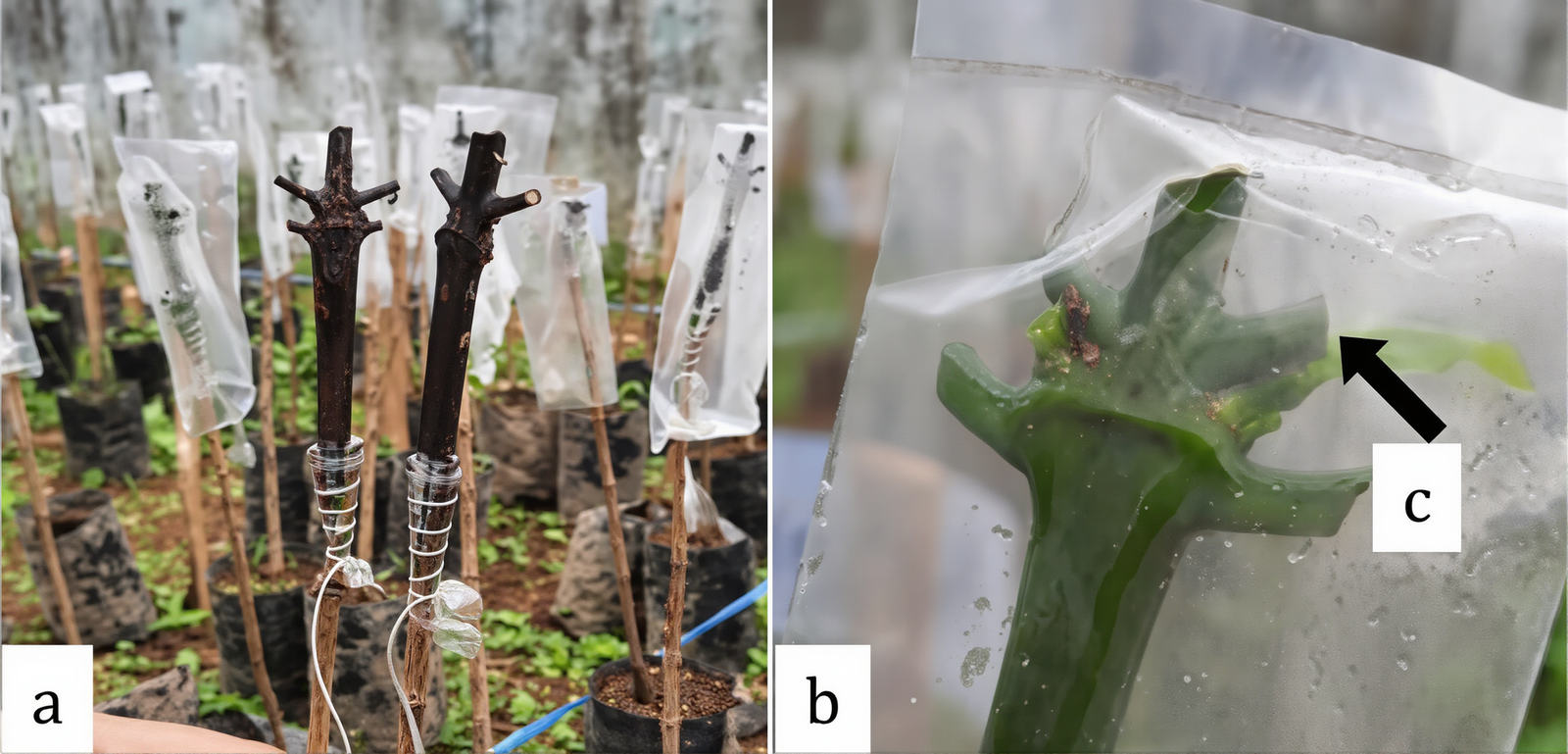
Treatment differences were not significant, these numerical variations should not be interpreted as evidence of superior treatment performance, and graft success was likely influenced more strongly by grafting technique and nursery management than by PGR application (12).
Shoot Emergence Time, Shoot Length, and Leaf Number
Natural PGR type did not significantly affect shoot emergence time, longest shoot length, or leaf number. Therefore, no single PGR source can be considered superior for these parameters within the tested conditions. The absence of significance suggests that these early vegetative traits were relatively stable across natural PGR sources during the 90-day observation period. Since endogenous and exogenous hormone levels were not chemically quantified, further mechanistic interpretation should be made cautiously. Given that hormone composition was not quantified, these results are interpreted as comparative treatment responses rather than evidence of specific physiological mechanisms.
Leaf Area
Unlike other vegetative parameters, leaf area was significantly influenced by the type of natural PGR applied (Table 2). Shallot extract resulted in the largest mean leaf area (42.29 cm²), significantly exceeding that of bean sprout extract (39.35 cm²) and coconut water (38.03 cm²). A treatment-dependent variation in leaf expansion across the tested PGR sources.
| Type of Natural PGR | Leaf Area (cm²) |
|---|---|
| Shallot extract | 42.29 a |
| Bean sprout extract | 39.35 bc |
| Coconut water | 38.03 c |
| Note: Values followed by the same letter are not significantly different based on LSD test at 5% level (LSD = 2.777). | |
Leaf area is a critical determinant of photosynthetic capacity, as larger leaves provide greater surface area for light interception and carbon assimilation (13, 14). The higher leaf area observed in shallot extract treatments indicates a more favorable growth response under the present conditions; however, this should not be directly attributed to specific hormone activity due to the absence of chemical analysis. Accordingly, the observed differences are interpreted strictly as treatment effects within the experimental framework.
Leaf area was significantly affected by natural PGR type (Table 2). Shallot extract produced the highest mean leaf area (42.29 ± SE cm²), followed by bean sprout extract (39.35 ± SE cm²) and coconut water (38.03 ± SE cm²). Although statistically significant, the practical magnitude of difference was moderate (approximately 4.26 cm² between the highest and lowest treatments). In nursery practice, this may indicate a modest advantage in early canopy expansion rather than a major difference in seedling quality. Thus, the observed differences should be interpreted as empirical outcomes of treatment application rather than mechanistic effects (15). These results reflect comparative performance among treatments under controlled nursery conditions.
Shoot Number
Shoot number was highly significantly affected by natural PGR type (Table 3). Coconut water produced the highest mean shoot number (2.54 ± SE shoots), followed by bean sprout extract (2.31 ± SE shoots) and shallot extract (2.17 ± SE shoots). This indicates that the type of natural extract used had a measurable effect on shoot proliferation under nursery conditions.
| Type of Natural PGR | Number of Shoots |
|---|---|
| Shallot extract | 2.17 c |
| Bean sprout extract | 2.31 bc |
| Coconut water | 2.54 a |
| Notes: Values followed by the same letter are not significantly different based on LSD test at 1% level (LSD = 0.228). | |
The difference between the highest and lowest treatments was 0.37 shoot per seedling. While statistically significant, the agronomic importance depends on nursery objectives. For nurseries targeting rapid canopy formation, this increase may be useful; however, under routine seedling production, the practical benefit may be moderate. Although coconut water showed the highest response, this finding reflects treatment performance rather than direct confirmation of cytokinin-related effects, since extract composition was not measure (16, 17). Therefore, the observed variation should be interpreted as an empirical growth response influenced by treatment type rather than a mechanistic hormonal explanation.
Effects of Natural PGR Concentration on the Growth of Wedge-Grafted Robusta Coffee Seedlings
Graft Survival, Leaf Number, and Leaf Area
Variation in PGR concentration (25–100%) did not significantly affect graft survival, leaf number, or leaf area. Thus, concentration differences within the tested range were not critical determinants of these variables during early graft establishment (18). Within the tested range, these parameters showed relatively stable responses.
Shoot Emergence Time
PGR concentration significantly affected shoot emergence time (Figure 2). The fastest shoot emergence (23.76 days) was recorded at 25% concentration, while higher concentrations progressively delayed shoot emergence. This indicates a clear concentration-dependent response in early bud break timing.
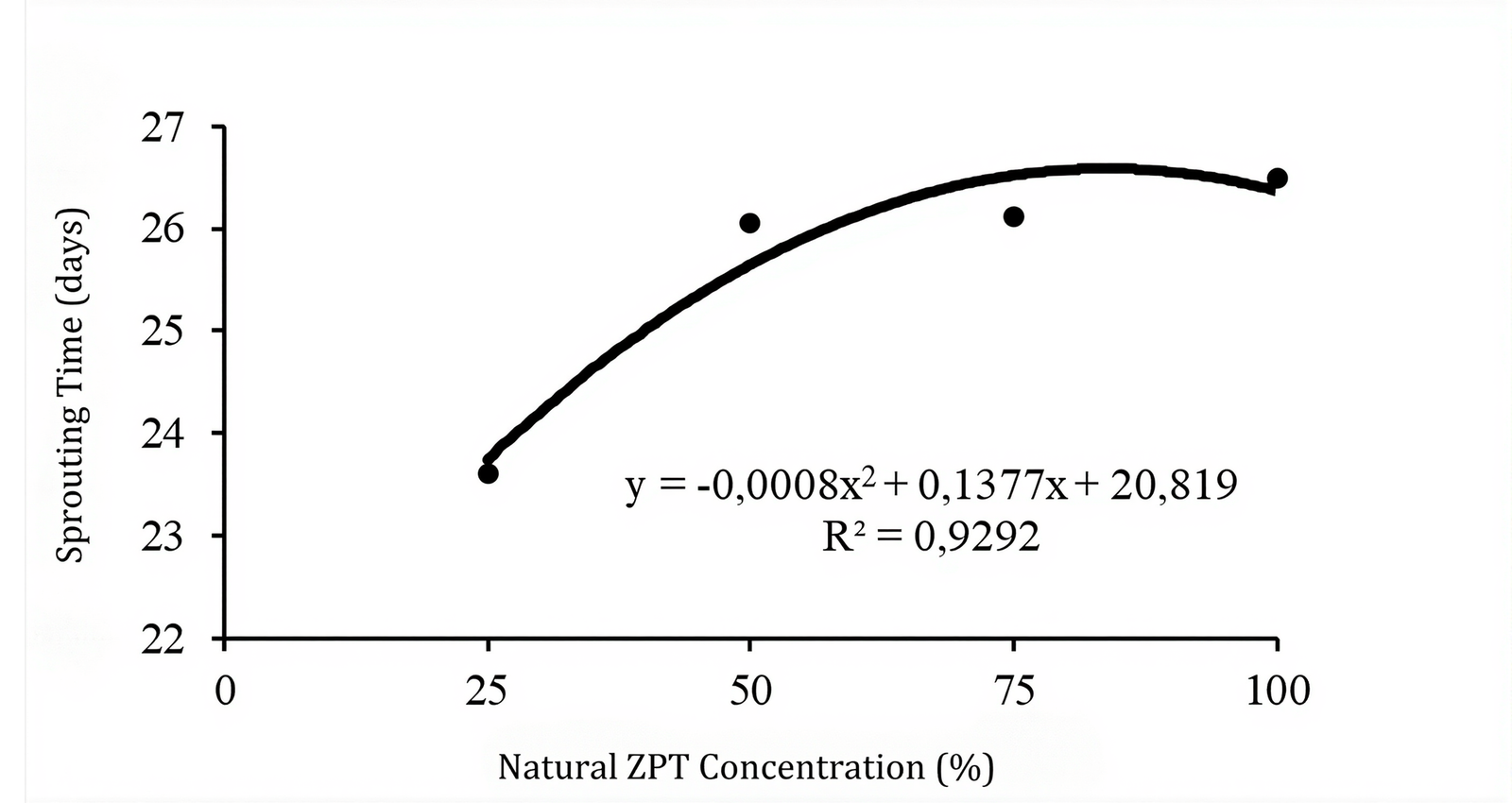
This pattern indicates that lower concentrations were more effective for shoot initiation, while higher concentrations may have reduced effectiveness; however, the underlying physiological basis cannot be confirmed in the absence of hormone quantification. High concentrations of exogenous hormones can damage wounded tissues and delay shoot development, supporting the observed trend (19).
Longest Shoot Length
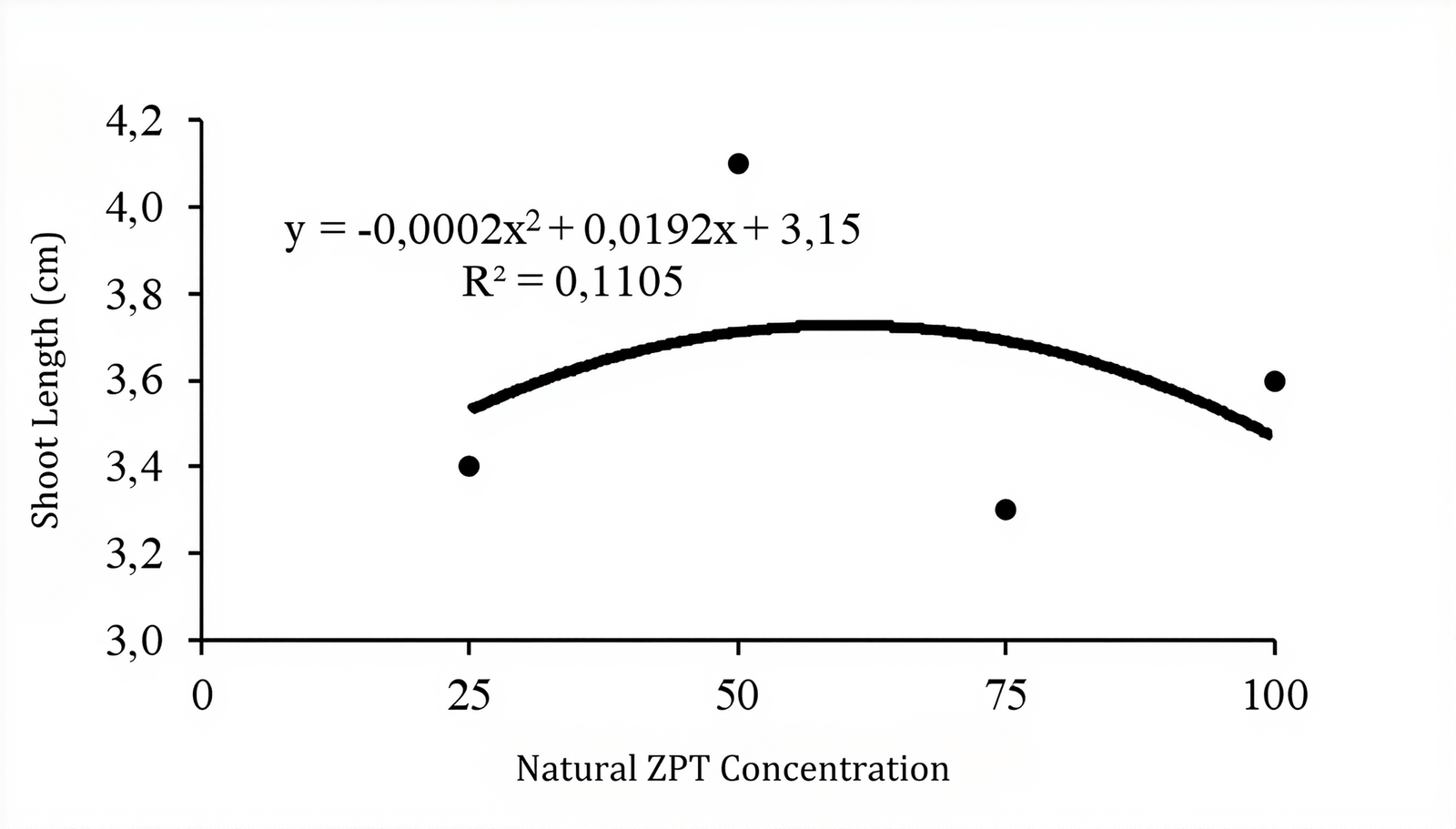
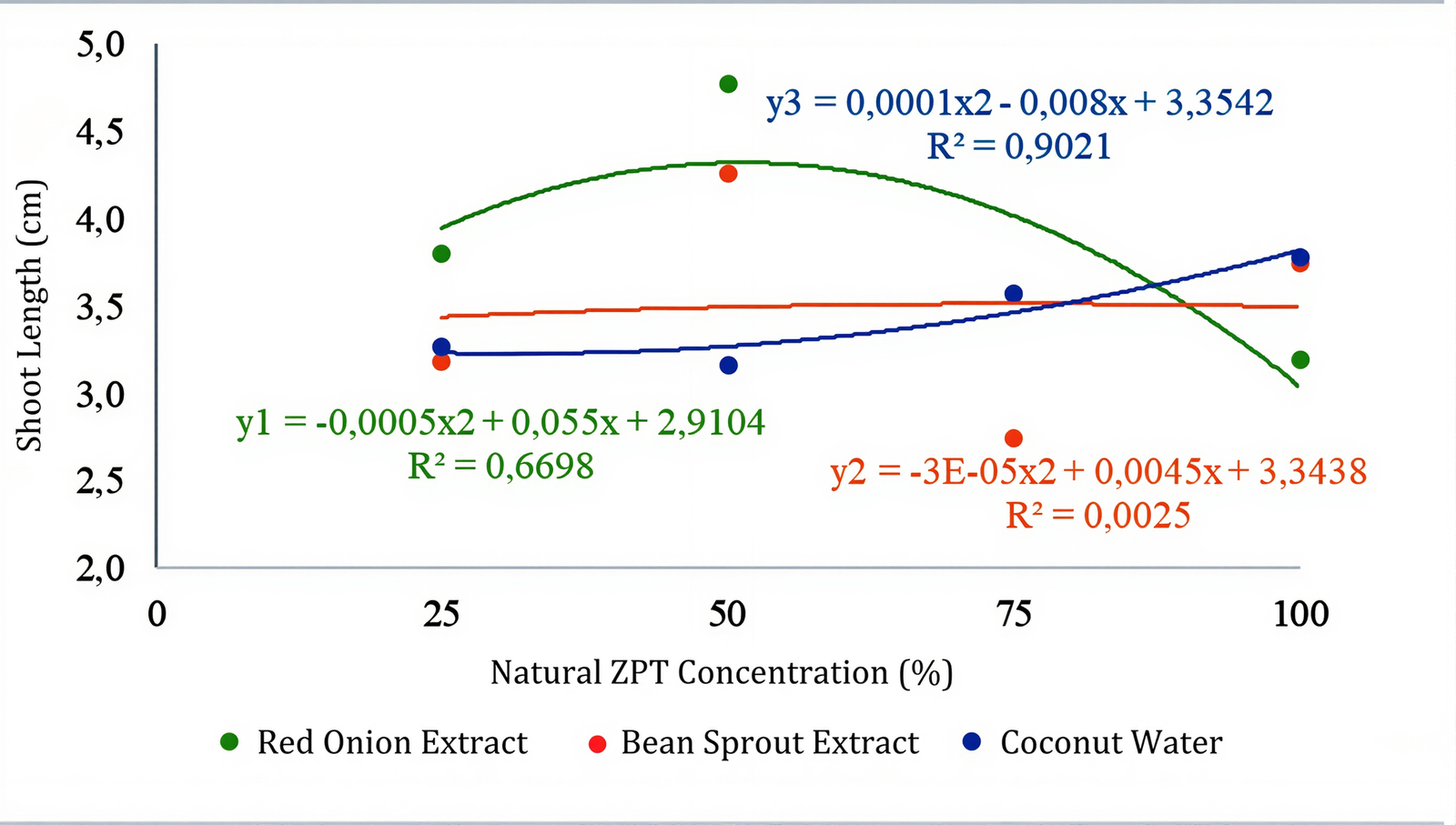
Shoot length exhibited a quadratic response to PGR concentration, with the longest shoots (3.6 cm) observed at an optimal concentration of 48% (Figure 3). This suggests the presence of an optimal concentration range for promoting shoot elongation, beyond which the response declines. Interpretation remains limited to response patterns rather than specific hormonal mechanisms (20).
Shoot Number
Shoot number responded very significantly to PGR concentration, with the highest mean value (2.5 shoots) achieved at an estimated optimal concentration of 68.75% (Figure 4). This indicates that higher concentrations tended to favor shoot proliferation within the tested range, although the exact physiological drivers cannot be determined.
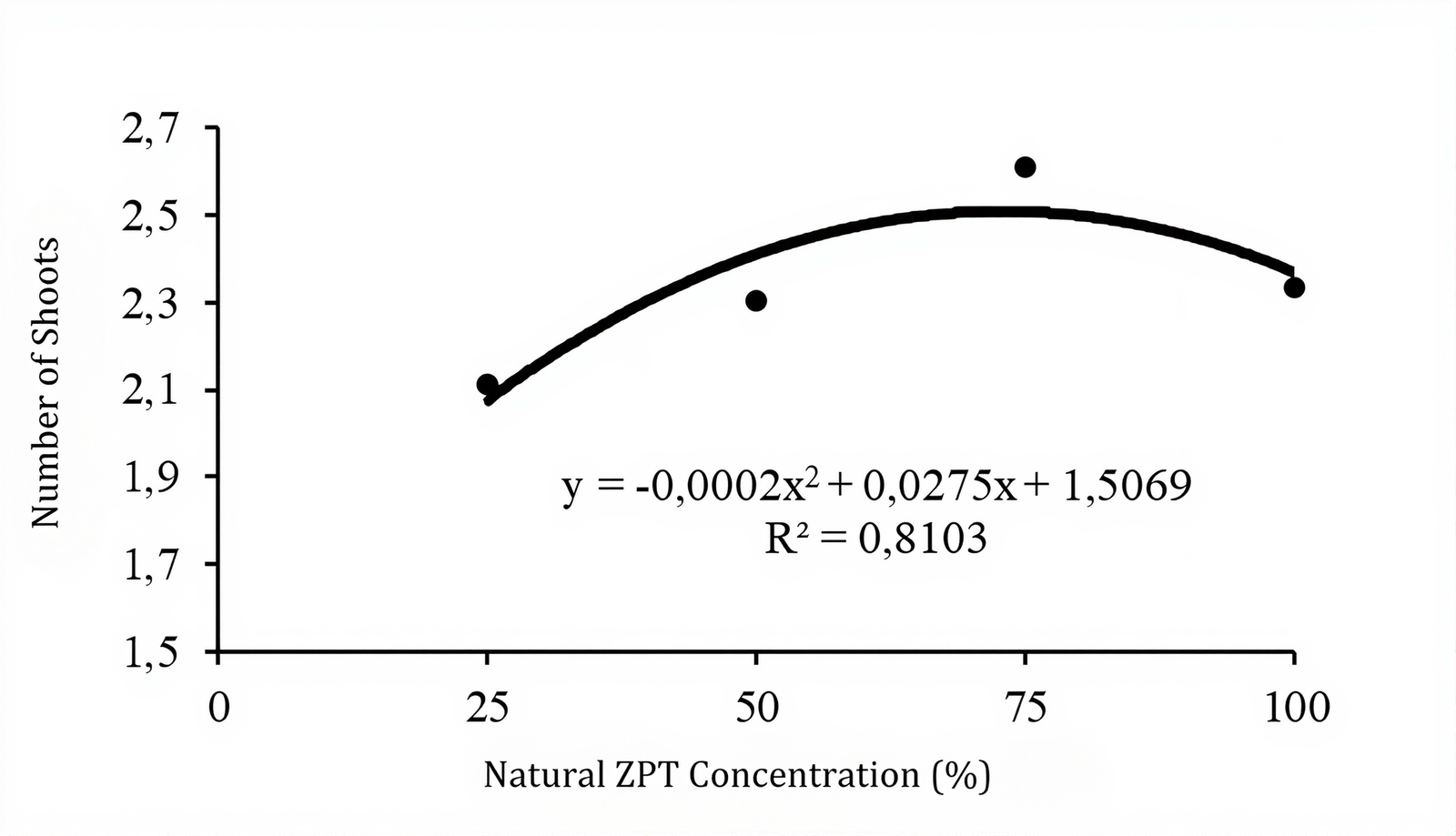
A high cytokinin-to-auxin ratio favors shoot formation, which explains why the optimal concentration for shoot number differed from that for shoot length (21).
Interaction Effects Between PGR Type and Concentration
Shoot Emergence Time
A significant interaction between PGR type and concentration was observed for shoot emergence time (Figure 5). Bean sprout extract at 25% concentration produced the fastest shoot emergence (22.84 days).
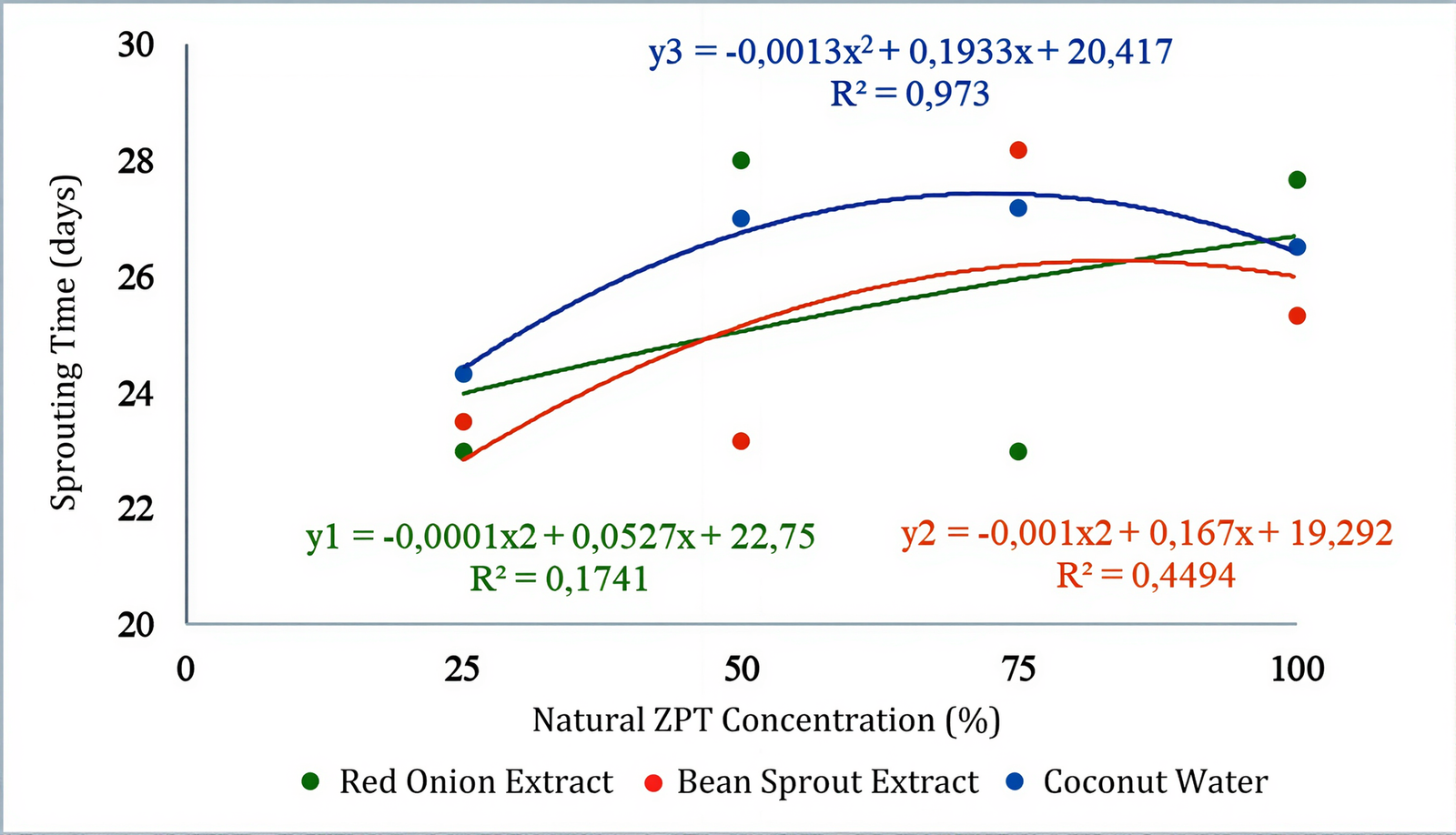
This result highlights that treatment effectiveness depends on the combination of source and concentration, rather than on a single factor alone. Any explanation related to hormonal balance remains tentative due to the lack of compositional analysis.
Longest Shoot Length
The interaction between shallot extract and concentration significantly affected shoot length (Figure 6). Shallot extract at an optimal concentration of 55% produced the longest shoots (4.42 cm). At higher concentrations, shoot length declined, indicating hormone overdose effects. Misra et al. (2025) reported that excessive exogenous hormone application can inhibit growth or even cause phytotoxicity (22).
Leaf Number
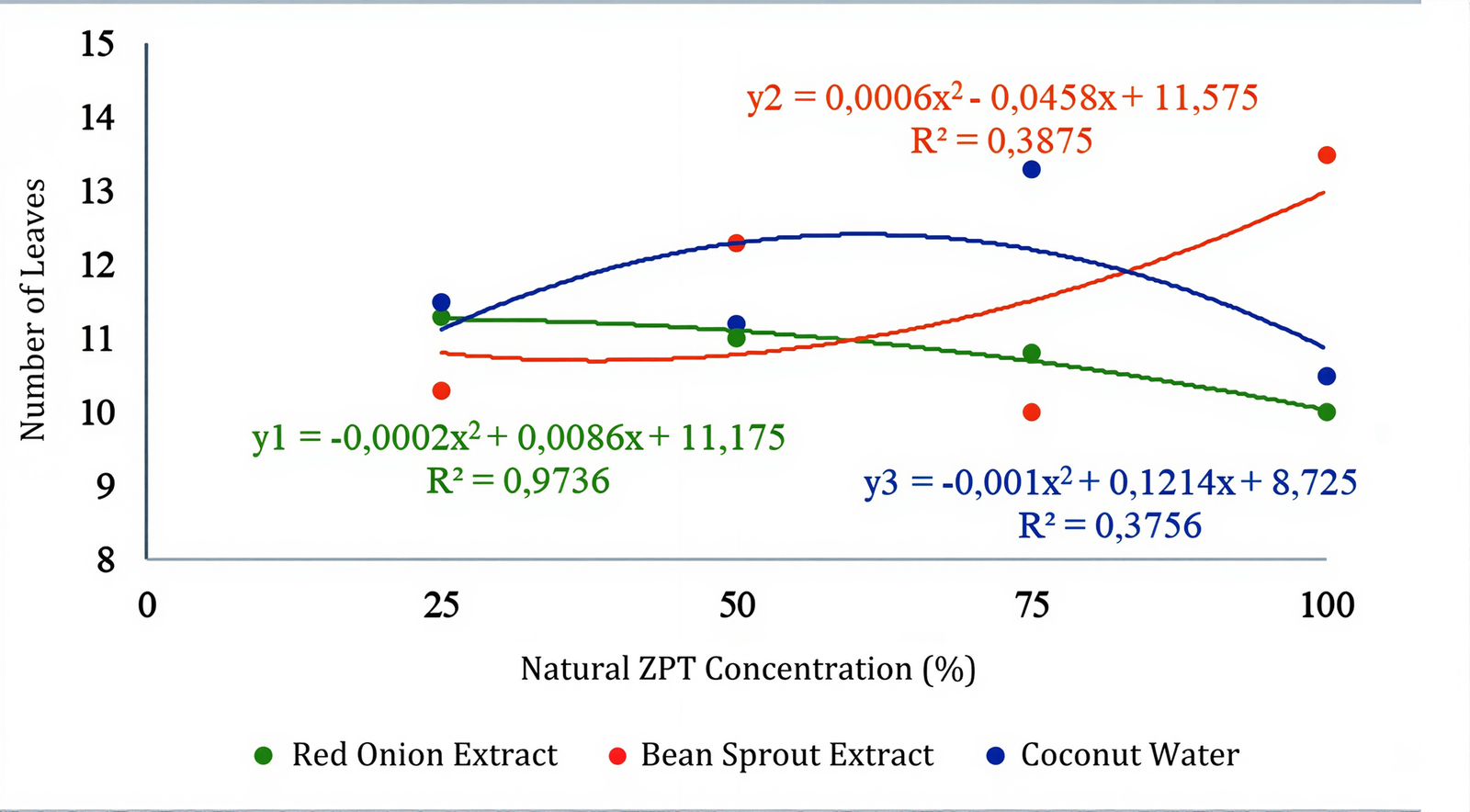
Leaf number was highly significantly influenced by the interaction between PGR type and concentration (Figure 7). Coconut water at an optimal concentration of 60.7% produced the highest leaf number (12 leaves). This finding suggests that specific source concentration combinations can enhance leaf development; however, the effect should be interpreted as a treatment response rather than direct evidence of synergistic hormonal action. Similar results were reported by Lince et al. (2025), who observed enhanced leaf formation at comparable coconut water concentrations (23).
Conclusion
The application of natural plant growth regulators significantly affected several early vegetative growth parameters of wedge-grafted robusta coffee seedlings under the greenhouse conditions of this study. Coconut water produced the highest shoot number, whereas shallot extract resulted in the largest leaf area among the tested PGR sources. Growth responses to concentration were treatment-dependent, with the fastest shoot emergence observed at 25%, while regression analysis estimated peak shoot length and shoot number at approximately 48% and 68.75%, respectively, within the tested concentration range. Significant interaction effects indicated that responses to concentration varied according to PGR source, particularly for shoot emergence time, shoot length, and leaf number. These findings should be interpreted within the scope of the present experiment, which was limited to one nursery environment, a 25–100% concentration range, and without direct quantification of endogenous hormone composition in the extracts. Therefore, practical application should be restricted to conditions similar to those tested until further field or multi-location validation is available. Future research is recommended to include biochemical characterization of natural PGR sources, broader concentration gradients, longer nursery evaluation periods, and field performance after transplanting.
Declarations
Conflict of Interest
The author declares no conflicting interest.
Data Availability
All data generated or analyzed during this study are included in this published article.
Ethics Statement
Ethical approval was not required for this study.
Funding Information
The author declares that no financial support was received for the research, authorship, and/or publication of this article.
References
- Irawan A, McLellan BC. A comparison of life cycle assessment (LCA) of Andungsari Arabica coffee processing technologies towards lower environmental impact. Journal of Cleaner Production. 2024;447:141561. doi: https://doi.org/10.1016/j.jclepro.2024.141561
- Direktorat Jenderal Perkebunan. Statistik Perkebunan Indonesia unggulan nasional 2019–2021. Jakarta; 2021.
- Badan Pusat Statistik. Statistik kopi Indonesia. Jakarta; 2021.
- Zuhri NM, Puspita N, Ayomi NMS. Economic Feasibility Assessment of Robusta Coffee Farming. Ijoss. 2025;2(1):49-59. doi: https://doi.org/10.24843/ijoss.2026.v02.i01.p05
- Rosyady MG, Larassati L, Setiyono S, Subroto G, Wijaya KA, Wulanjari D, et al. Growth of Cut-Grafting Robusta Coffee Seeds Utilizing Orthotropic and Plagiotropic Rootstocks with Application Bacillus and Pseudomonas Mixture. J. appl. agricultural sci. technol. 2024;8(1):50-64. doi: https://doi.org/10.55043/jaast.v8i1.189
- Nashwa Intana Putri, Nurin Fatnata, Puput Fuji Aslamiah, Raden Elfa, Rifa Musyaropah, Ita Fitriyyah. Grafting dan Okulasi: Strategi Efektif untuk Perbanyakan Tanaman Berkualitas Tinggi. Pentagon. 2024;2(4):241-249. doi: https://doi.org/10.62383/pentagon.v2i4.351
- Mohamed E, Abdelgalil SH, Kaseb MO, Teiba II, Lamlom SF, Abdelghany AM, et al. Synergistic effect of naphthalene acetic acid and salicylic acid on the growth and tolerance mechanism of cucumber under salt stress. Sci Rep. 2026;16(1):1-18. doi: https://doi.org/10.1038/s41598-026-39439-x
- Mahesti FL, Rosyida R, Karno K. Growth Responses and Chlorophyll Content of Two Varieties of Tomatoes (Solanum Lycopersicum L.) to Natural Plant Growth Regulators. Agro. Bali. Agric. J. 2025;8(1):46-55. doi: https://doi.org/10.37637/ab.v8i1.1745
- Makrufah A, Karno K, Rosyida R. The Effect of Shallot Extract as Natural Plant Growth Regulator and Cuttings Materials on The Growth of Water Apple (Syzygium aqueum l.) Stem Cuttings. Bioma. 2023;12(2). doi: https://doi.org/10.26877/bioma.v12i2.15562
- Asmono SL, Haqiqi NU, Salim A. THE EFFECT OF MUNG BEAN SPROUT EXTRACT AS A NATURAL PLANT GROWTH REGULATOR ON THE GROWTH OF SUGARCANE BUDCHIP (Saccharum officinarum L.) SEEDLINGS. Mediagro: Jurnal Ilmu-Ilmu Pertanian. 2023;19(1):118. doi: https://doi.org/10.31942/mediagro.v19i1.8250
- Amanda M, Suharno S, Astuti S. Pengaruh Jenis dan Konsentrasi ZPT terhadap Keberhasilan Sambung Pucuk Alpukat (Persea americana). Jiip. 2024;31(1):56-63. doi: https://doi.org/10.55259/jiip.v31i1.41
- Mariana, M, Basri, A. H. H, Manullang, W, Harahap, R. T, & Novita, A. Optimalisasi Zat Pengatur Tumbuh (ZPT) Alami dan Bahan Setek Pada Pertumbuhan Vegetatif Setek Kopi Robusta. AGRIUM: J.ilmu.pertan. 2023;26(1):68-75. doi: https://doi.org/10.30596/agrium.v26i1.13730
- Hu W, Lu Z, Meng F, Li X, Cong R, Ren T, et al. The reduction in leaf area precedes that in photosynthesis under potassium deficiency: the importance of leaf anatomy. New Phytologist. 2020;227(6):1749-1763. doi: https://doi.org/10.1111/nph.16644
- Bouriaud O, Schulze ED, Gregor K, Boukhris I, Högberg P, Irslinger R, et al. A saturating response of photosynthesis to an increasing leaf area index allows selective harvest of trees without affecting forest productivity. Biogeosciences. 2025;22(18):4729-4741. doi: https://doi.org/10.5194/bg-22-4729-2025
- Batista de Lima C, Simões Santos Rando J, Naime de Godoy JG, Inacio da Silva LE. <b><i>SEEDLING PERFORMANCE AND PHENOLOGICAL DEVELOPMENT OF BASIL CULTIVARS IN SUBTROPICAL PROTECTED CULTIVATION</i></b>. Remunom. 2026;13(06):1-21. doi: https://doi.org/10.66104/ag3jqp80
- Fatikhasari NN, Karno K, Kristanto BA. Pengaruh Diameter Batang Bawah dan Hormon BAP (Benzyl Amino Purin) Terhadap Keberhasilan Sambung Pucuk Sawo. Agrosains: J. Penelit. Agron. 2021;23(1):12. doi: https://doi.org/10.20961/agsjpa.v23i1.44696
- Isyraq M, Amalia L, Aisyah I. Pengaruh air kelapa sebagai sitokinin organik dan sukrosa terhadap pertumbuhan protocorm anggrek (Phalaenopsis hybrid MP 253 x F1 3363 (M)) in vitro. kultivasi. 2021;20(1):27. doi: https://doi.org/10.24198/kultivasi.v20i1.31941
- Sari WK, Utami NP. Successful shoot tip grafting of cacao (Theobroma cacao L.) due to the application of plant growth regulators on various concentrations. Kultivasi. 2024;23(1):35-42. doi: https://doi.org/10.24198/kultivasi.v23i1.46246
- Larriba E, Sánchez-García AB, Justamante MS, Martínez-Andújar C, Albacete A, Pérez-Pérez JM. Dynamic Hormone Gradients Regulate Wound-Induced de novo Organ Formation in Tomato Hypocotyl Explants. Ijms. 2021;22(21):11843. doi: https://doi.org/10.3390/ijms222111843
- Schmidt V, Skokan R, Depaepe T, Kurtović K, Haluška S, Vosolsobě S, et al. Phytohormone profiling in an evolutionary framework. Nat Commun. 2024;15(1):1-11. doi: https://doi.org/10.1038/s41467-024-47753-z
- Ngadiani, Jayanti T. Pengaruh Pemberian Hormon NAA Dan BAP Pada Media MS (Murashige and Skoog) Terhadap Pertumbuhan Anggrek Vanda tricolor Secara In-Vitro. Stigma. 2021;14(02):89-98. doi: https://doi.org/10.36456/stigma.14.02.4885.89-98
- Misra V, Mall AK. Application of phytohormones exogenously to ameliorate sugarcane's response to water stress. A. 2025;1(1):0-0. doi: https://doi.org/10.48130/aee-0025-0006
- Lince Romauli Panataria, Agnes Imelda Manurung, Efbertias Sitorus, Meylin Kristina Saragih. The Effect Of Concentration and Duration Of Coconut Water Soaking On the Growth Of Oil Palm Seeds in Pre-Nursery (Elaeis Guineensis Jacq.). Botani. 2025;2(2):12-23. doi: https://doi.org/10.62951/botani.v2i2.305