RESEARCH ARTICLE
Study of the Habitat Preferences of Kima Clams in the Waters of Bama, Baluran National Park, Situbondo Regency, East Java
Aquatic Life Sciences|Vol. 3, Issue 1, pp. 44-51 (2026)
CC BY 4.0-2026 Authors
Views
Downloads
Shares

Received
Jan 29, 2026Revised
Mar 13, 2026Accepted
May 9, 2026Published
May 20, 2026
Abstract
Giant clams (Tridacnidae) play an important ecological role in coral reef ecosystems; however, their populations continue to decline due to habitat degradation and overexploitation. Despite increasing conservation efforts, site-specific information on habitat preference, particularly related to substrate composition, remains limited in many Indonesian reef systems, including Bama Waters, Baluran National Park. This study aimed to assess the community structure and substrate habitat preferences of giant clams in this area. Field surveys were conducted at four stations using belt transect and quadrat methods, complemented by underwater photo transect analysis for substrate characterization and measurement of key environmental parameters. Community structure was analyzed using density and the Shannon Wiener diversity index, while habitat preference was evaluated using Ivlev’s electivity index. A total of three giant clam species were recorded with Tridacna crocea dominating with a density of 0.52 ind/ha. Diversity was categorized as low to moderate and varied spatially in relation to substrate composition. Stations with mixed substrates, particularly hard coral and rubble, supported higher diversity values. Electivity analysis revealed species-specific habitat preferences, with T. crocea favoring rocky substrates, T. maxima associated with hard coral and rubble, and T. squamosa showing weaker habitat specialization. This finding shows that substrate composition plays an important role. It also influences species distribution. This study provides site-specific ecological information that may support more effective conservation and management strategies for giant clams in coral reef ecosystems.
Introduction
Giant clams (Tridacnidae) are ecologically important bivalves inhabiting shallow tropical coral reefs, where they contribute to reef productivity, nutrient cycling, and habitat complexity through their symbiosis with photosynthetic zooxanthellae (1, 2), which plays a key role in sustaining energy flow within coral reef ecosystems. By filtering seawater and assimilating dissolved nutrients, giant clams function as natural biofilters and enhance local primary production, thereby supporting reef resilience. Despite these roles, populations of giant clams have declined markedly across the Indo-Pacific due to overexploitation, habitat degradation, and reduced recruitment success (3). Of the nine recognized species worldwide, seven occur in Indonesian waters, yet most are currently listed under CITES Appendix II and categorized as threatened or vulnerable by the IUCN (4).
The urgency of giant clam conservation is exacerbated by their slow growth rates, late sexual maturity, and low juvenile survival, which limit population recovery following disturbance (5). Habitat characteristics, particularly substrate type and coral reef condition, strongly influence giant clam distribution, density, and species composition (6). Recent studies in Indonesian coral reef ecosystems have further demonstrated that variations in substrate composition and reef condition are closely associated with differences in community structure, density, and spatial distribution of Tridacnidae populations (7). Species-specific substrate preferences have been documented, with Tridacna crocea commonly associated with rocky substrates, while T. maxima and T. squamosa preferentially occupy hard coral and rubble habitats (8). Similar patterns have been reported in eastern Indonesian waters, where differences in substrate type were shown to significantly influence the distribution and dominance of Tridacnidae species across reef habitats (9). These findings collectively indicate that substrate heterogeneity plays a fundamental role in shaping species distribution and community structure of giant clams across reef ecosystems.
However, increasing sedimentation, coastal development, and reef degradation in Indonesian waters continue to modify substrate availability and habitat suitability, posing significant challenges for effective conservation planning (1, 10). Although previous studies have provided valuable insights into giant clam ecology, most have primarily focused on general distribution patterns and coral reef conditions rather than quantitatively assessing habitat selection. As a result, site-specific understanding of how substrate availability influences species-specific habitat preference remains insufficient, especially in relatively understudied reef systems.
Bama Waters, located within Baluran National Park, East Java, represent a heterogeneous reef system with high conservation value. Previous studies in Baluran National Park have largely focused on nearby sites such as Tanjung Bilik, reporting low giant clam diversity and spatial variability in habitat associations (8, 11). However, detailed ecological assessments specifically addressing the relationship between substrate composition and habitat preference of Tridacnidae in Bama Waters are still lacking. This limitation constrains the development of site-based conservation strategies that are tailored to local ecological conditions. Addressing this gap, the present study aims to assess (i) the community structure of giant clams, including density and diversity, and (ii) their substrate habitat preferences using Ivlev’s electivity index. It is hypothesized that giant clam distribution in Bama Waters is strongly influenced by substrate type, with higher preference for stable substrates such as hard coral and rock compared to unstable substrates such as sand. This study provides site-specific ecological evidence to support science-based management and conservation strategies for giant clams within Indonesian coral reef ecosystems.
Methodology
Study Design and Study Area
This study employed a quantitative field-based ecological survey to examine the community structure and substrate habitat preferences of giant clams (Tridacnidae) in a shallow coral reef ecosystem. This approach allows direct observation of species–habitat interactions under natural environmental conditions.
The research was conducted in Bama Waters, Baluran National Park, East Java, Indonesia, a marine protected area with heterogeneous reef flat substrates. The site was selected based on preliminary surveys and literature indicating high biodiversity potential and the presence of giant clam habitats. Site selection used a random sampling approach after field reconnaissance to ensure spatial representativeness while reducing sampling bias from habitat heterogeneity and anthropogenic disturbance across the study area.
Four sampling stations were established to represent different substrate characteristics and reef conditions. The geographic positions of the stations were as follows: Station 1 (7°50'44.17"S; 114°27'43.25"E), Station 2 (7°50'39.51"S; 114°27'51.77"E), Station 3 (7°50'43.04"S; 114°27'54.61"E), and Station 4 (7°50'44.90"S; 114°27'47.19"E). The spatial distribution of sampling stations is shown in Figure 1. The positions of Stations 1-4 are indicated in Figure 1 to provide spatial reference of the sampling design.
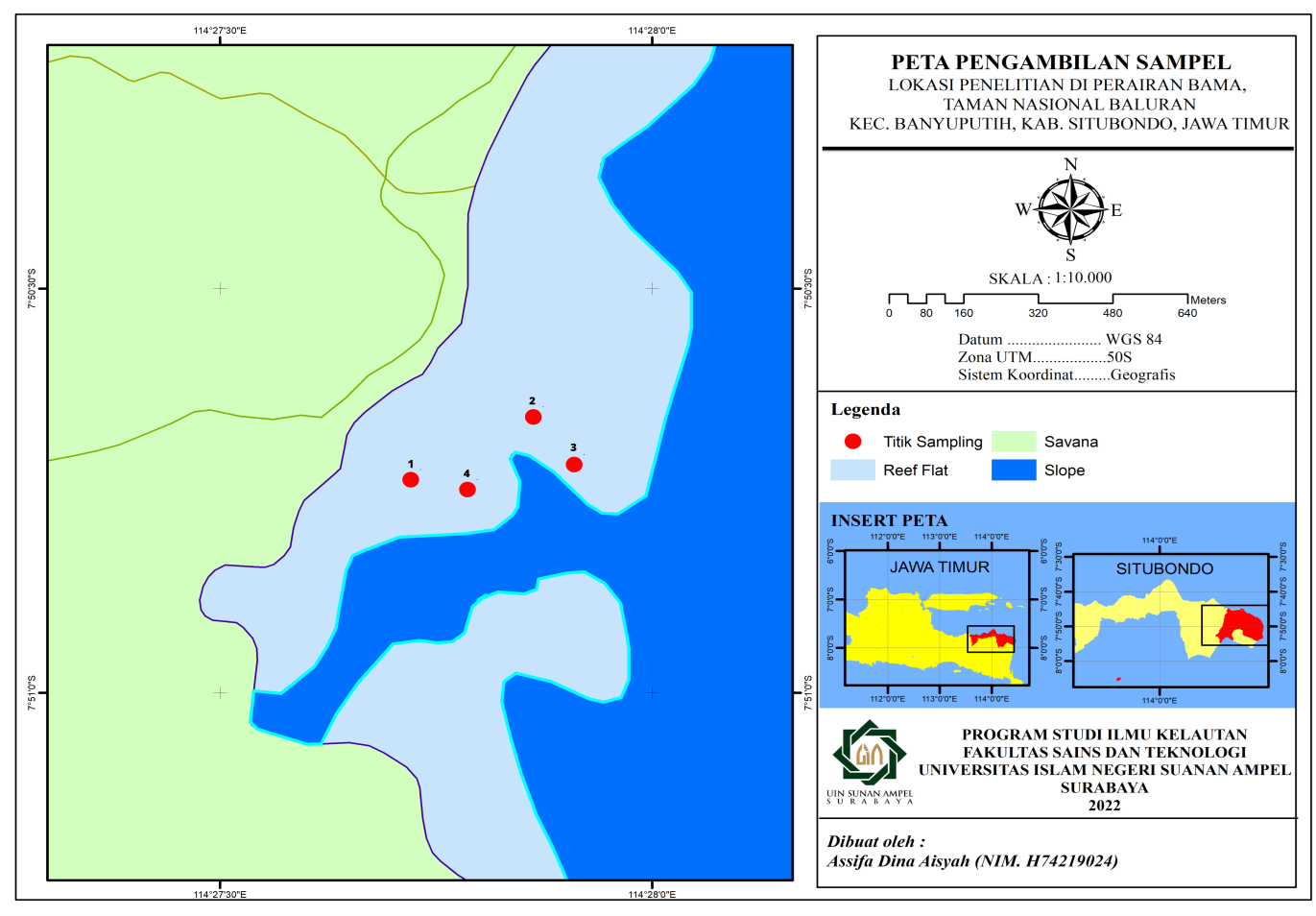
Field surveys were carried out during the east monsoon season (August–September 2022) to ensure optimal underwater visibility and stable environmental conditions for benthic observations (12).
Sampling Design and Giant Clam Survey
Station placement followed a random sampling approach after preliminary field observation to ensure representativeness of the study area. Four sampling stations were established and georeferenced using a handheld GPS to capture spatial heterogeneity in substrate composition and reef condition. At each station, giant clam abundance and species composition were assessed using the Benthos Belt Transect (BBT) method following standardized megabenthos survey protocols (13). The BBT method was chosen due to its effectiveness in assessing relatively large and sparsely distributed benthic organisms such as giant clams.
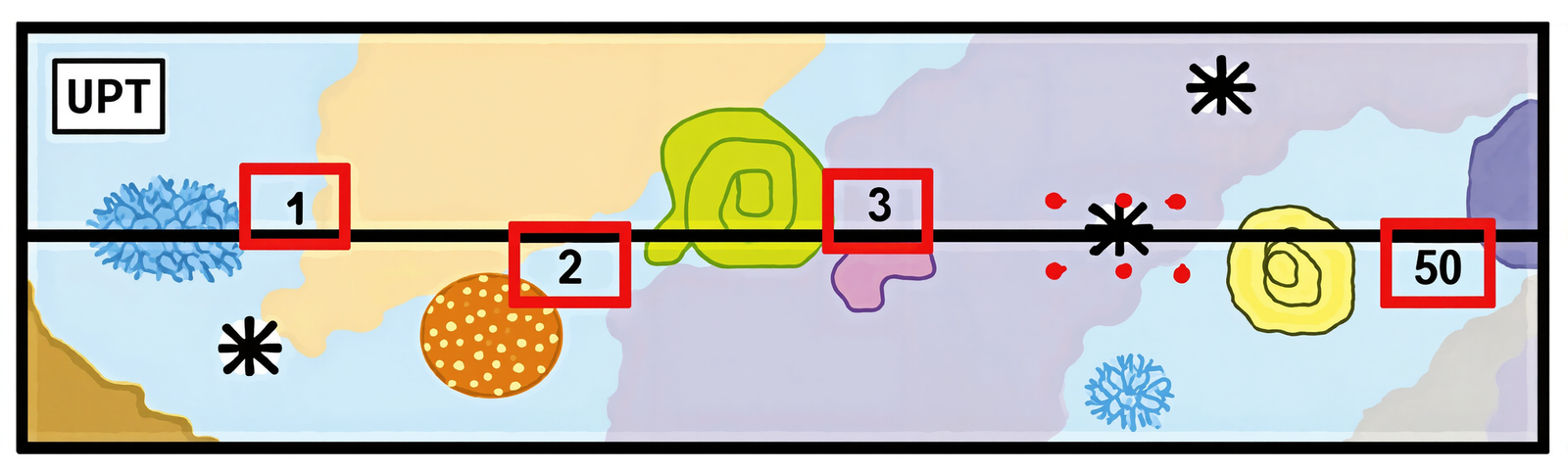
A 100 m transect line was laid parallel to the shoreline, and all giant clams observed within 1 m on either side of the transect line were recorded, resulting in a sampled area of 200 m² per transect. Each transect survey was conducted in triplicate to ensure data reliability and representativeness. This transect size was selected to balance spatial coverage and survey efficiency, ensuring adequate representation of giant clam populations while maintaining manageable observation effort. Surveys were conducted by snorkeling at depths of < 5 m. The belt transect configuration is illustrated in Figure 2.
Each individual was identified to species level based on shell morphology, mantle coloration, and size (15). Shell length (cm) was measured in situ. To reduce observer bias, species identification followed standardized taxonomic references, and observations were conducted consistently by trained personnel. The substrate type directly beneath each individual was recorded and classified into standardized benthic categories (hard coral, rubble, dead coral with algae, rock, sand) following (16).
Benthic Substrate Assessment
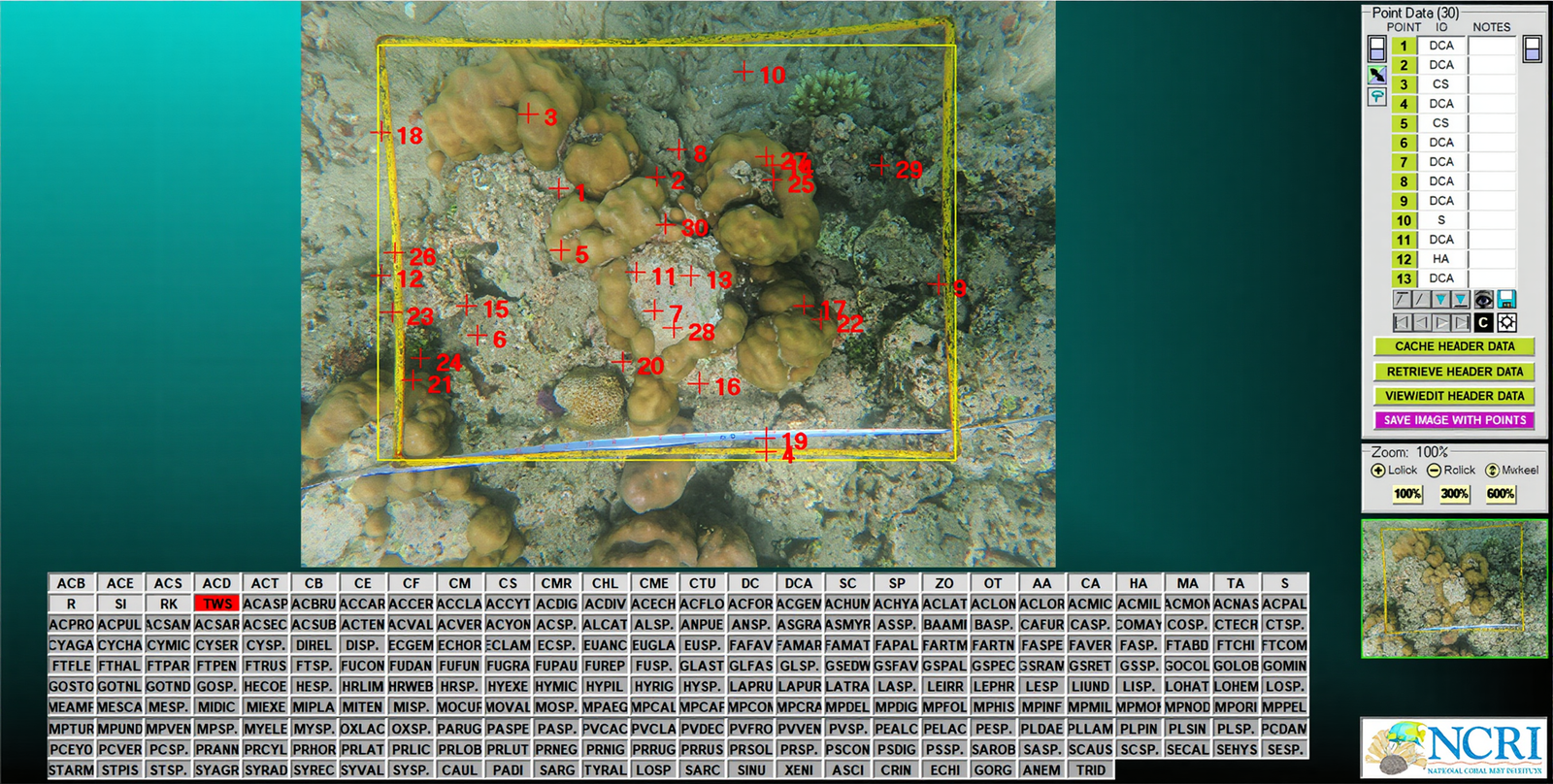
Benthic substrate composition was quantified using the Underwater Photo Transect (UPT) method (17). This method enables objective and reproducible estimation of benthic cover compared to direct visual assessment. Along each transect, underwater photographs were taken at 1 m intervals using a digital underwater camera positioned 60 cm above the substrate, covering a 58 × 44 cm² quadrat frame.
Photographs were analyzed using CPCe software (Coral Point Count with Excel) with 30 randomly generated points per image to estimate percentage cover of coral lifeforms and substrate categories (18). The use of random point analysis reduces subjective bias and increases the reliability of substrate classification. The photographic sampling design is presented in Figure 3. Reef condition was classified based on live coral cover thresholds established by KEPMEN LH No. 4/2001.
Physicochemical Parameters
Key physicochemical parameters including temperature (°C), salinity (ppt), pH, dissolved oxygen (mg L⁻¹), and water transparency were measured in situ using standard oceanographic instruments, including a thermometer, refractometer, pH meter, and dissolved oxygen meter, following standard marine monitoring procedures (19). Measurements were conducted at each station during the sampling period to capture spatial variation in environmental conditions. Water transparency was determined using a Secchi disk.
In addition, water samples were collected using clean sampling bottles and transported to an accredited laboratory for analysis of nutrient concentrations, including nitrate and phosphate to provide a more comprehensive assessment of water quality conditions. These parameters were included to ensure that environmental conditions remained within suitable ranges for giant clam survival and to control for potential confounding factors affecting species distribution and habitat preference patterns. The selection of these parameters was based on their ecological relevance in influencing metabolic processes, growth, and distribution of marine benthic organisms, particularly Tridacnidae.
Data Analysis
Giant clam density (individuals m⁻²) was calculated as the number of individuals recorded per unit transect area. Community diversity was quantified using the Shannon Wiener diversity index (H′), as shown in Eq. 1. This index was selected because it accounts for both species richness and evenness, making it suitable for ecological community analysis.
where pᵢ is the proportion of individuals of speciesi (20).
Substrate habitat preference was assessed using Ivlev’s Electivity Index (E This index was selected because it provides a quantitative measure of habitat selection by comparing resource use with environmental availability, making it particularly suitable for ecological studies of benthic organisms with discrete habitat associations.
The use of Ivlev’s index has been widely applied in previous ecological studies to evaluate habitat preference and feeding selectivity, allowing standardized comparison across species and environments. In this study, the index enables assessment of whether giant clams exhibit preference, neutrality, or avoidance toward specific substrate types relative to their availability in the reef system, and it is expressed in Eq. 2.
Where represents the proportional use of substrate type i by giant clams and represents its proportional availability in the environment (21).
Electivity values range from −1 (avoidance) to +1 (strong preference). This approach allows direct comparison between substrate use and availability, providing a robust measure of habitat selection. To ensure data reliability, all field observations followed standardized protocols, and data recording sheets were cross-checked after each survey. Photographic data were re-evaluated to minimize classification errors during substrate analysis.
Ethical and Regulatory Compliance
All field activities were conducted under the authorization of Baluran National Park and complied with Indonesian regulations concerning protected marine species. Data collection was strictly observational and non-destructive, with no removal or physical disturbance of giant clams or reef substrates.
Results
Species Composition and Density of Giant Clams
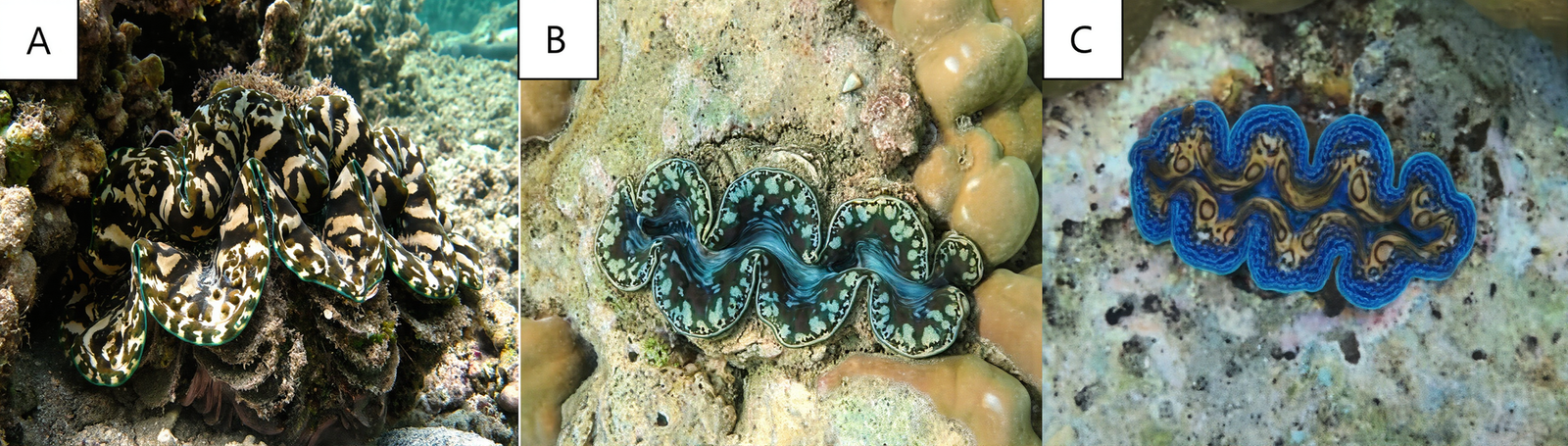
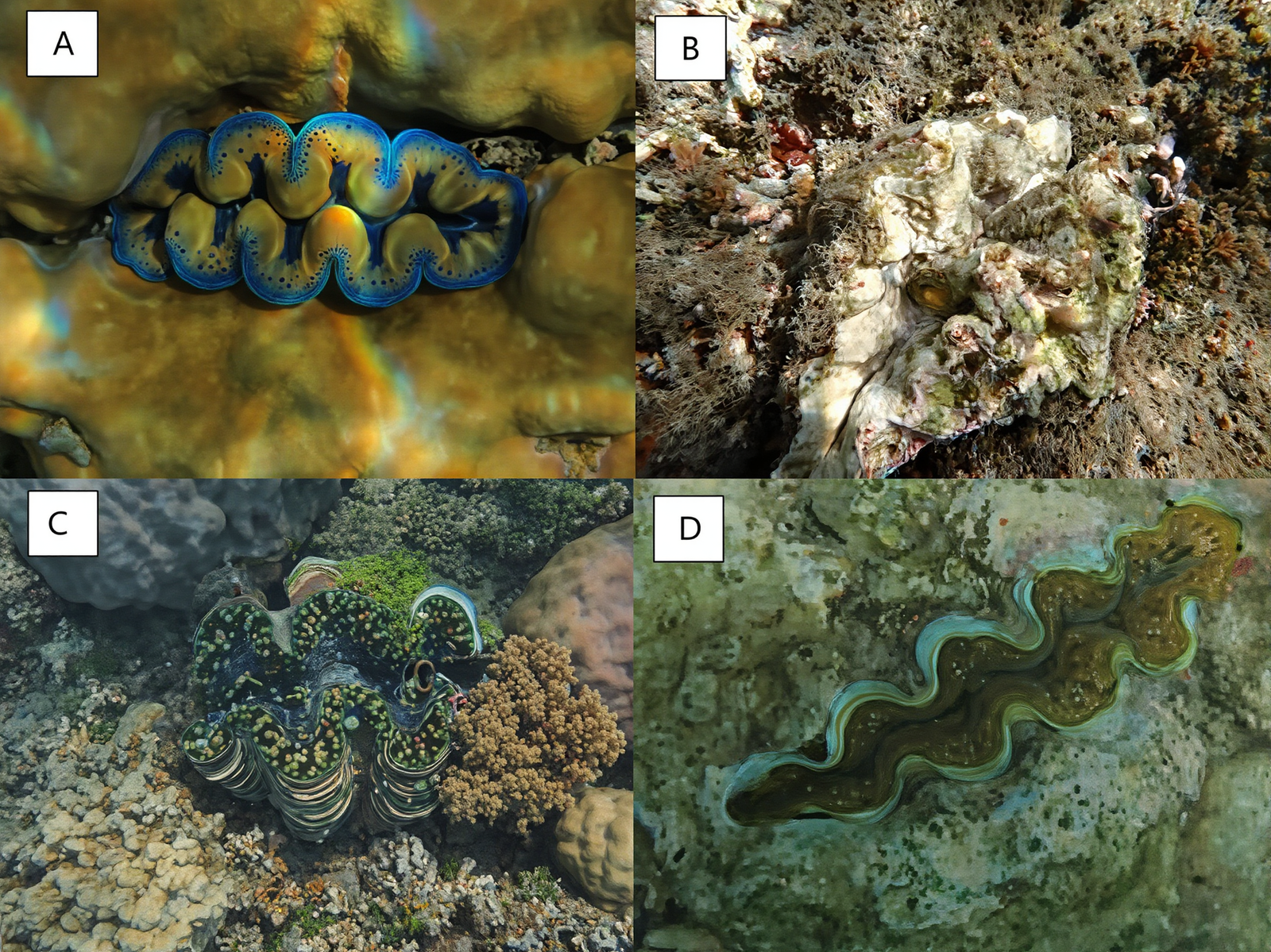
A total of three species of giant clams were recorded in Bama Waters, Baluran National Park, namely T. crocea, Tridacna maxima, and Tridacna squamosa. Among these, T. crocea was the most abundant and widely distributed species across all sampling stations, whereas T. squamosa exhibited the lowest occurrence. This dominance pattern indicates a community structure strongly skewed toward a single species, suggesting uneven species distribution within the study area.
The spatial distribution of giant clam species varied among sampling stations. T. crocea was consistently observed at all sampling stations, indicating a broad distribution across the study area. In contrast, T. maxima and T. squamosa exhibited more limited distributions, being recorded only at specific stations with suitable substrate conditions. These patterns indicate that species distribution is strongly influenced by local habitat characteristics, particularly substrate type and reef condition. Representative photographs of the recorded species are presented in Figure 4.
Overall giant clam density varied spatially among stations, with the highest density observed at stations characterized by a high proportion of hard substrate and coral rubble. T. crocea showed the highest density (0.52 ind/ha), followed by T. maxima (0.18 ind/ha) and T. squamosa (0.14 ind/ha). Stations dominated by unstable substrates such as sand exhibited consistently lower densities, indicating a strong association between substrate stability and species occurrence. Detailed species composition and density values are presented in Figure 5. The dominance of T. crocea contributed substantially to total density values across all stations.
Community Diversity
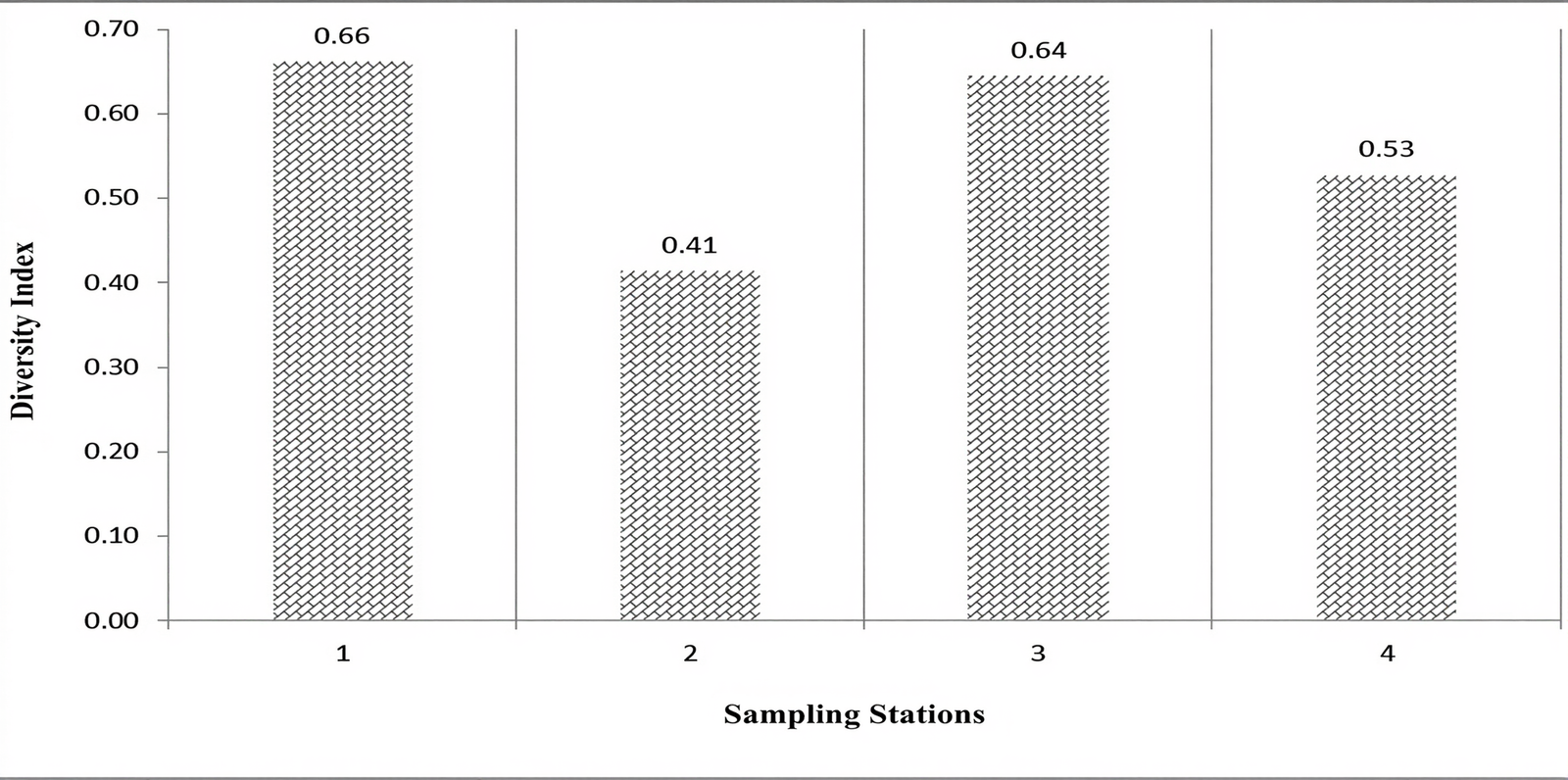
The Shannon–Wiener diversity index (H′) indicated low to moderate diversity levels across the study area. The Shannon–Wiener diversity index (H′) ranged from 0.41 to 0.66, indicating low diversity. The relatively low diversity values reflect limited species richness combined with dominance of T. crocea, which reduces overall community evenness. Diversity values were relatively higher at stations with greater substrate heterogeneity and live coral cover. This demonstrates that structurally complex habitats provide a wider range of ecological niches, supporting higher species coexistence. Conversely, stations dominated by unstable substrates such as sand and dead coral with algae exhibited lower diversity values. The Shannon–Wiener diversity index (H′) values for each station are presented in Figure 6.
Benthic Substrate Composition
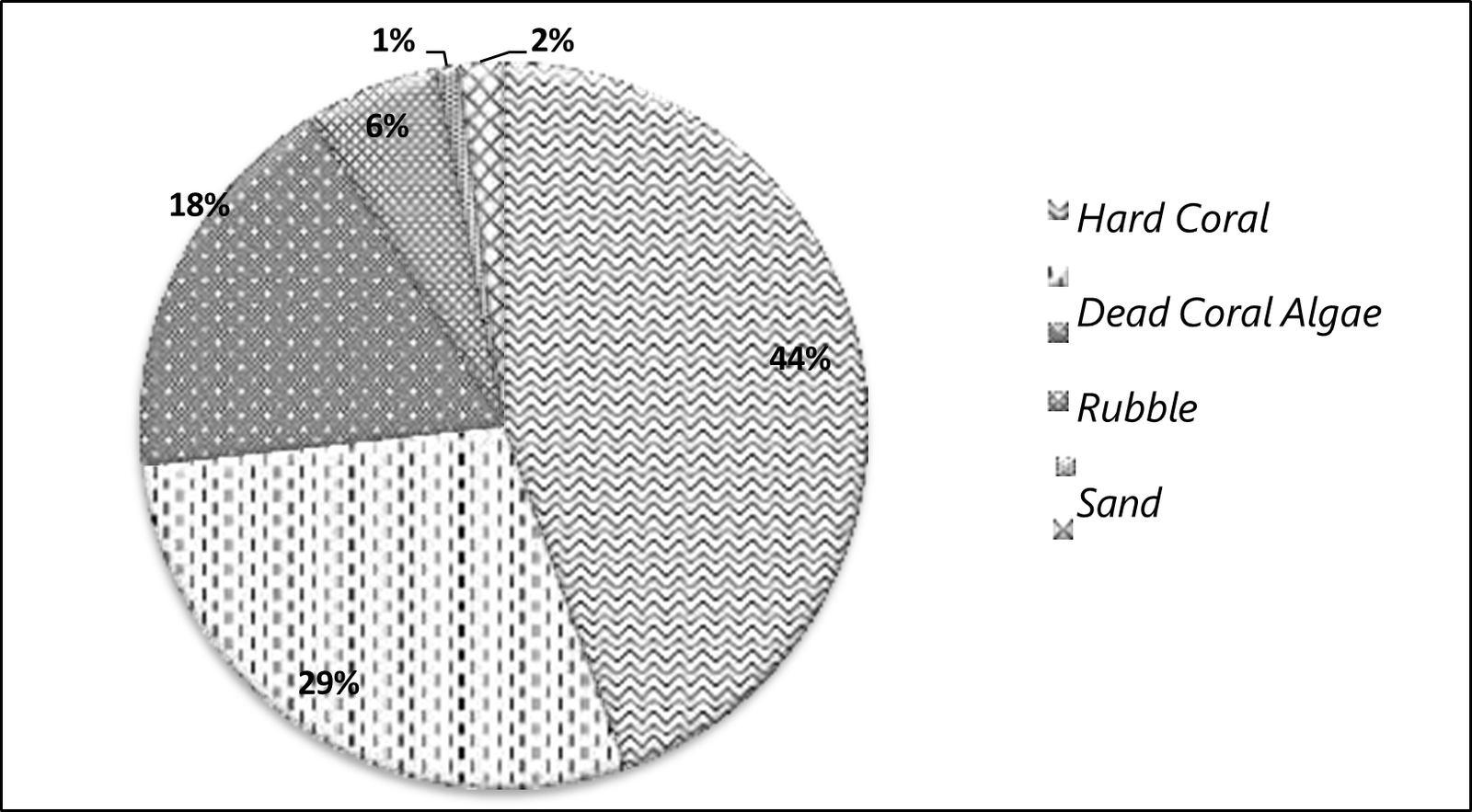
Benthic substrate analysis revealed that hard coral, coral rubble, dead coral with algae, rock, and sand were the dominant substrate categories in Bama Waters. Hard coral dominated the substrate (41%), followed by dead coral algae (24%), rubble (14%), sand (7%), and rock (5%). The percentage cover of each substrate category at all stations is presented in Figure 7.
Substrate Habitat Preference
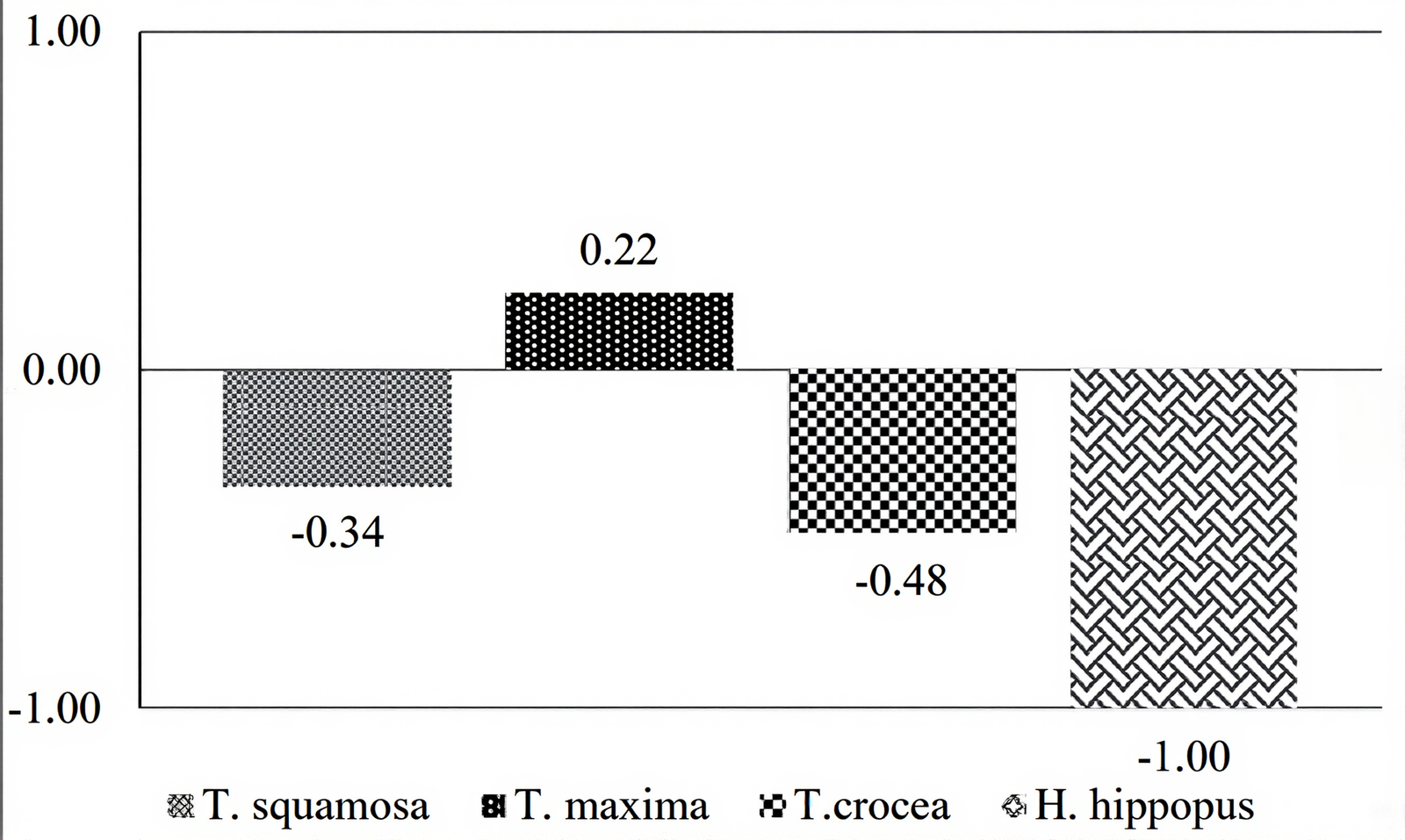
Habitat preference analysis using Ivlev’s electivity index demonstrated species-specific substrate selection patterns. T. crocea showed a high preference for rock substrate (E = 0.77). T. maxima showed a preference for hard coral and coral rubble, while T. squamosa displayed weak to moderate electivity values, indicating lower habitat specificity.
Negative electivity values were observed for sandy substrates across all species, indicating substrate avoidance. Electivity index values for each species and substrate type are presented in Figure 8.
Environmental Parameters
Physicochemical measurements indicated that water quality parameters in Bama Waters were within ranges suitable for giant clam survival and growth (19). Water temperature averaged 29 ± 1.41°C, salinity was approximately 35 ppt, and dissolved oxygen reached 6.48 mg/L. These values fall within the optimal range for marine benthic organisms, particularly Tridacnidae. Variations in nutrient concentrations and sedimentation rates among stations were relatively low and did not exceed thresholds associated with severe reef degradation.
Discussion
The dominance of T. crocea in Bama Waters is consistent with previous studies in Indonesian coral reef systems, which report that this species is highly adaptable to shallow reef flats and resistant to moderate environmental disturbance due to its boring behavior and small shell size (8, 11). This ecological strategy allows T. crocea to exploit microhabitats within hard substrates, reducing competition and increasing survival probability under variable environmental conditions. Its ability to embed itself within hard substrates likely reduces predation risk and physical dislodgement, contributing to higher survival and density. In contrast, the lower abundance of T. squamosa may be attributed to its larger shell size and preference for stable substrates, which are limited in the study area. Similar patterns have been reported in other Indonesian marine protected areas (1, 5).
These dominance patterns are closely linked to variations in substrate composition across the study area. Stations characterized by mixed substrates, particularly hard coral and rubble, exhibited higher diversity values, likely due to increased habitat complexity and niche availability. This finding underscores the role of substrate composition as a primary driver of giant clam distribution, which is consistent with previous studies (7, 9). In contrast, sand-dominated substrates exhibited low suitability for giant clams, likely due to instability and limited attachment or boring opportunities. These conditions restrict settlement and post-larval survival, resulting in reduced abundance and diversity (3).
In line with these habitat characteristics, the electivity analysis further highlights species-specific ecological strategies. The strong preference of T. crocea for rocky substrates is consistent with its obligate boring behavior, whereas T. maxima exhibits a greater dependence on exposed hard substrates for secure attachment and efficient light acquisition for photosynthesis. In contrast, the relatively weak electivity values observed in T. squamosa indicate lower habitat specialization, which may constrain its competitive performance in shallow reef environments (8). The generally low electivity values of T. squamosa suggest broader habitat tolerance but lower competitive ability in shallow reef flats. These species-specific preferences underscore the importance of maintaining diverse substrate types within marine protected areas to support multi-species assemblages (22).
Beyond substrate-related factors, environmental conditions also play a supporting role in shaping species distribution. Measured environmental parameters indicated that Bama Waters remain within suitable ranges for giant clam persistence. Water quality parameters included temperature of 29 ± 1.41°C, salinity of 35 ppt, and dissolved oxygen of 6.48 mg/L. Therefore, substrate characteristics appear to play a more dominant role than physicochemical parameters in shaping distribution patterns within the study area. However, localized sedimentation and nutrient inputs may pose long-term risks by altering substrate composition and reducing light penetration, which is critical for zooxanthellae photosynthesis (17). The results highlight the ecological importance of hard substrates and reef structural integrity in sustaining giant clam populations. Effective conservation strategies should therefore prioritize substrate protection and minimize anthropogenic disturbances that lead to sedimentation and reef degradation.
Nevertheless, several limitations should be acknowledged. The number of sampling stations was relatively limited, which may not fully capture the spatial variability of the reef ecosystem. In addition, temporal variation was not assessed, as sampling was conducted within a single season. Future studies should incorporate broader spatial coverage and multi-season observations to provide a more comprehensive understanding of giant clam habitat dynamics.
Conclusion
This study demonstrated that the community structure and substrate habitat preferences of giant clams in Bama Waters were characterized by low to moderate diversity (H′ = 0.41–0.66) and dominance of T. crocea (0.52 ind/ha), indicating a community structure strongly influenced by species-specific habitat adaptation and environmental filtering processes related to substrate availability. Habitat preference analysis indicated species-specific patterns, with T. crocea favoring rocky substrates, T. maxima associated with hard coral and rubble, and T. squamosa showing weaker habitat specialization, suggesting the important role of stable substrates in shaping distribution and overall community composition across reef habitats as well as reinforcing the importance of habitat heterogeneity in maintaining species coexistence within coral reef ecosystems. However, the study was limited by spatial and temporal sampling constraints; therefore, broader and multi-season studies are needed to better understand habitat dynamics and support more effective conservation planning and long-term management of giant clam populations in coral reef ecosystems under changing environmental and anthropogenic pressures.
Declarations
Conflict of Interest
The authors declare no conflicting interest.
Data Availability
All data generated or analyzed during this study are included in this published article.
Ethics Statement
Ethical approval was not required for this study.
Funding Information
The author(s) declare that no financial support was received for the research, authorship, and/or publication of this article.
References
- Arbi UY. Kepadatan dan kondisi habitat kerang kima (cardiidae: tridacninae) di beberapa lokasi di perairan sulawesi utara. BAWAL Widya Riset Perikanan Tangkap. 2017;3(2):139. doi: https://doi.org/10.15578/bawal.3.2.2010.139-148
- Guibert I, Lecellier G, Torda G, Pochon X, Berteaux-Lecellier V. Metabarcoding reveals distinct microbiotypes in the giant clam Tridacna maxima. Microbiome. 2020;8(1):57. doi: https://doi.org/10.1186/s40168-020-00835-8
- Roland G, editors. Privatization: Columbia University Press; 2008. doi: https://doi.org/10.7312/rola14160
- Yusuf S, Moore AM. Hunting in the seas: population status and community perspectives on giant clams (Tridacnidae) and Napoleon wrasse (Cheilinus undulatus), endangered marine taxa of the Wallacea Region, Indonesia. IOP Conf. Ser.: Earth Environ. Sci. 2020;473(1):012061. doi: https://doi.org/10.1088/1755-1315/473/1/012061
- Werorilangi S, Yusuf S, Massinai A, Rastina, Niartiningsih A, Tahir A, et al. Acute toxicity of cyanide (KCN) on two types of marine larvae: Acropora sp. planulae and D-veliger larvae of Tridacna squamosa. IOP Conf. Ser.: Earth Environ. Sci. 2019;253(1):012040. doi: https://doi.org/10.1088/1755-1315/253/1/012040
- Tapilatu RF, Wona H, Mofu B, Kolibongso D, Alzair N, Erdmann M, et al. Foraging habitat characterization of green sea turtles, Chelonia mydas, in the Cenderawasih Bay, Papua, Indonesia: Insights from satellite tag tracking and seagrass survey. Biodiversitas. 2022;23(6): 2783-2789. doi: https://doi.org/10.13057/biodiv/d230601
- Komala R, Sigit DV, Azra EP. Community status of giant clam (Tridacnidae) on Bira of Seribu Islands, Indonesia. Biodiversitas. 2025;26(4):1891-1897. doi: https://doi.org/10.13057/biodiv/d260438
- Setiawan R, Wimbaningrum R, Siddiq AM, Saputra IS. Keanekaragaman Spesies dan Karakteristik Habitat Kerang Kima (Cardiidae: Tridacninae) di Ekosistem Intertidal Tanjung Bilik Taman Nasional Baluran. Jk. 2022;14(3):254-262. doi: https://doi.org/10.21107/jk.v14i3.9042
- Nugroho BA, Fauzi A, Suciyati A. Distribution Pattern of Giant Clams (Tridacnidae) in Tebabinga Reef, Derawan Island Waters, East Kalimantan. J. Molusk. Indones. 2025;9(1):18-24. doi: https://doi.org/10.54115/jmi.v9i1.121
- Wahjoedi IRK, Jagadhita IGPY, Edtri DP, Sachio N, Sholichah M, Santanu HFB, et al. Evaluasi Kesehatan Terumbu Karang di Pulau Pramuka: Tantangan dan Peluang Konservasi di Kawasan Kepulauan Seribu. Habitus Aqua J. 2025;6(2):89-102. doi: https://doi.org/10.29244/haj.6.2.89
- Setiawan R, S S, Mulyadi BP, Hamdani RH. Preferensi Habitat Spesies Kerang Laut (Moluska: Bivalvia) Di Ekosistem Intertidal Tanjung Bilik Taman Nasional Baluran. Nat. Sci. J. 2019;8(3):165-170. doi: https://doi.org/10.22487/25411969.2019.v8.i3.14601
- Lesmana D, Wahyudin Y. Pemanfaatan Kima Secara Berkelanjutan. j. mina sains. 2016;2(1):1-14. doi: https://doi.org/10.30997/jms.v2i1.423
- Putri Risa Fatmawati, Devi Nandita Choesin, Elham Sumarga. Analisis kondisi terumbu karang di perairan pulau tunda, provinsi banten. kenanga. 2025;5(2):80-92. doi: https://doi.org/10.22373/kenanga.v5i2.8470
- Sari CA, Syah AF. Pemetaan Habitat Bentik Pulau Salarangan Menggunakan Metode Object-Based Image Analysis. Rekayasa. 2021;14(1):128-136. doi: https://doi.org/10.21107/rekayasa.v14i1.7996
- Iskandar R, Ishak E, Oetama D. Density and Composition of Species Clam (Tridacna sp.) Based on Coral Cover Conditions in Wawosunggu Waters, Konawe Regency. Jbt. 2023;23(2):282-288. doi: https://doi.org/10.29303/jbt.v23i2.4834
- Johan Y, Yulianda F, Kurnia R, Muchsin I. The Adaptive Capacity of Corals Based on the Health Level to Estimate the Carrying Capacity of the Marine Ecotourism in Enggano Island. omni.akua. 2018;14(1):19-27. doi: https://doi.org/10.20884/1.oa.2018.14.1.289
- Irawan D, Muhsoni FF. Perbandingan Teknik Pengukuran Terumbu Karang Menggunakan Metode 2 Dimensi Dan 3 Dimensi Di Pulau Gili Labak, Sumenep. Jk. 2024;17(3):235-242. doi: https://doi.org/10.21107/jk.v17i3.28127
- Malinda CF, Luthfi OM, Hadi TA. Analisis kondisi kesehatan terumbu karang dengan menggunakan software cpce (coral point count with excel extensions) di taman nasional komodo, nusa tenggara timur. Jk. 2020;13(2):108-114. doi: https://doi.org/10.21107/jk.v13i2.6464
- Saputra EA, Barchia MF, Utama SP, Romeida A, Susatya A. Evaluasi Kesesuaian Lahan Tambak Udang Di Wilayah Pesisir Kabupaten Kaur. Nature. 2023;12(2):107-114. doi: https://doi.org/10.31186/naturalis.12.2.30728
- Sara Wijana IM, Ernawati NM, Ayu Pratiwi M. Keanekaragaman lamun dan makrozoobentos sebagai indikator kondisi perairan pantai sindhu, sanur, bali. Ejes. 2019;13(2):238. doi: https://doi.org/10.24843/ejes.2019.v13.i02.p11
- Yadav S, Rathod P, Alcoverro T, Arthur R. “Choice” and destiny: the substrate composition and mechanical stability of settlement structures can mediate coral recruit fate in post-bleached reefs. Coral Reefs. 2015;35(1):211-222. doi: https://doi.org/10.1007/s00338-015-1358-z
- Nugroho BA, Fauzi A, Suciyati A. Distribution Pattern of Giant Clams (Tridacnidae) in Tebabinga Reef, Derawan Island Waters, East Kalimantan. J. Molusk. Indones. 2025;9(1):18-24. doi: https://doi.org/10.54115/jmi.v9i1.121