RESEARCH ARTICLE
Comprehensive phytochemical profiling and in-silico evaluation of endemic medicinal plant Symplocos obtusa
Sciences of Phytochemistry|Vol. 5, Issue 1, pp. 172-182 (2026)
CC BY 4.0-2026 Authors
Views
Downloads
Shares

Received
Feb 4, 2026Revised
Mar 13, 2026Accepted
Mar 27, 2026Published
May 20, 2026
Abstract
Symplocos obtusa Wall. Ex G. Don. (Symplocaceae) is an endemic medicinal plant whose pharmacological potential remains largely uncharacterized. This study utilized integrated in vitro and in silico methodologies to establish a comprehensive phytochemical and therapeutic profile of its ethanolic leaf extract. Initial screening revealed a significant extractive yield of 6.0%, with substantial concentrations of total phenolics (4.30 ± 0.02 mg GAE/g), tannins (2.91 ± 0.02 mg GAE/g), and flavonoids (71.15 ± 0.86 mg RE/g). Structural characterization via FTIR spectroscopy confirmed diverse functional groups, while GC-MS analysis identified 19 bioactive constituents with putative pharmacological relevance. The extract demonstrated potent antioxidant capacity across multiple benchmarks, yielding an IC50IC50 of 26.55 ± 0.61 µg/mL in DPPH assays, alongside robust activity in ABTS (27.09 ± 0.11 µmol/g) and phosphomolybdenum (51.38 ± 0.08 mg/g) evaluations. Computational in silico modeling further corroborated the safety and therapeutic viability of the identified compounds, predicting favorable drug-likeness and low toxicity profiles (Classes IV–VI). Collectively, these findings validate S. obtusa as a prolific reservoir of bioactive secondary metabolites, supporting its development as a candidate for plant-derived drug discovery and antioxidant therapy.
Introduction
The use of medicinal plants to treat various ailments dates back to ancient times. The primary and secondary metabolites produced in plants are responsible for curing various diseases. Thus, secondary metabolites, often referred to as phytoconstituents, significantly impact pharmacological and therapeutic perspectives. Terpenoids, phenolics, flavonoids, alkaloids, and glycosides are the most significant secondary metabolites (1). These metabolites have a direct or indirect impact on various chronic illnesses, importantly because of their therapeutic potentials, such as antimicrobial, antihelminthic, anticarcinogenic, antiproliferative, antimutagenic, and antioxidative, many of which have been reported in Symplocos species (2).
Several Symplocos species have been evaluated for their phytochemical attributes and biological activities. To date, the major phytoconstituents isolated from Symplocos species include terpenoids, flavonoids, iridoids, lignans, steroids, and alkaloids, which exhibit various pharmacological properties. This genus is well known for its traditional applications in treating several ailments, including tumefaction, leprosy, gynaecological disorders, ulcers, leucorrhea, and malaria (3). Many Symplocos species, such as S. cochinchinensis, S. paniculata, and S. racemosa, have also witnessed a wide range of pharmacological and therapeutic potentials, such as antioxidant, anti-inflammatory, analgesic, antimicrobial, antidiabetic, and anticancer properties (4-6). However, there is no scientific information available on the phytochemical composition, antioxidant potential, and in-silico characterisation of S. obtusa to date. Therefore, a systematic investigation of this species is essential to validate its medicinal significance and to explore the possible pharmacological applications, and this is the first report on this endemic species.
Hence, the present study aimed to identify and quantify the distinct phytochemical compounds and antioxidant potential of S. obtusa through standard in vitro techniques, along with preliminary in-silico ADME and toxicity prediction of the identified compounds.
Methodology
Collection and authentication of the plant
Fresh S. obtusa specimens were collected during the month of September 2023 from the Nilgiri district, the Western Ghats of Tamil Nadu. Further, the plant specimens were duly verified by the Botanical Survey of India, Southern Circle, Coimbatore. (Vide no: BSI/SRC/5/23/2023/Tech-622).
Preparation of the plant sample
Fresh leaf samples were cleaned, dried in the shade at room temperature, and ground to a fine powder using a pulveriser.
Preparation of plant extracts
The powdered plant samples (25g/250 mL) were successively extracted with solvents of increasing polarity, viz. , petroleum ether, ethyl acetate, and ethanol, using a Soxhlet extractor for 6-8 hours, allowing multiple extraction cycles until the solvent in the siphon tube became colourless. Additionally, for aqueous extraction, the cold maceration method was employed using distilled water for 48 hours at room temperature with occasional stirring. Furthermore, the extracts were concentrated to dryness, and the extractive yield percentage for each solvent extract was calculated and used for future studies (7).
Preliminary phytochemical screening
To determine the presence of primary and secondary metabolites, preliminary qualitative phytochemical examination of S. obtusa leaf parts was conducted using established standard protocols (8).
Quantification of secondary metabolites
To analyse the concentration of each secondary metabolite present in S. obtusa leaf extracts, several quantitative studies were carried out. The Folin-Ciocalteu technique was employed to determine the total phenolic content (TPC) of S. obtusa leaf parts. Plant extracts and standard solutions of different concentrations were prepared and mixed with Folin-Ciocalteu reagent and sodium carbonate. Following incubation, the phenolic content was expressed as milligrams of gallic acid equivalents at an absorbance of 725 nm (9). Similarly, total tannin content (TTC) was also determined using the Folin-Ciocalteu technique. To extract free phenolics and tannins separately, tannins were separated using PVPP precipitation and were further centrifuged. 100 µL of test samples and gallic acid standards were combined with sodium carbonate and Folin-Ciocalteu reagent, then the mixture was left for incubation in the dark. Further, the absorbance was measured at 725 nm (9). Then, the total tannin content was calculated in Eq. 1.
The aluminium chloride method was used to calculate the total flavonoid content (TFC). After combining different aliquots of the standard solution and the extract with sodium hydroxide, sodium chloride, and sodium nitrite, the mixture was made up to 5 mL, read at 510 nm, and the total flavonoid content was expressed in milligrams of rutin equivalents (10).
To determine the total quantity of saponins present in the plant extract, the test samples were dissolved with 80% methanol. Furthermore, 2 mL of vanillin dissolved in ethanol and 2 mL of 70% sulfuric acid were thoroughly mixed and heated in a water bath at 60 °C for 10 minutes. The absorbance at 544 nm was measured against the reagent blank. Diosgenin is used as the standard; thus, the assay is compared with diosgenin equivalents (11).
To calculate the total amount of steroids in the plant extracts, 1 mL of test extract was taken in a 10 mL volumetric flask. Further sulfuric acid (4N, 2 mL), iron (III) chloride (0.5% w/v, 2 mL), and potassium hexacyanoferrate solution (0.5% w/v, 0.5 mL) were added. After being heated for 30 minutes at 70°C in a water bath with periodic shaking, the mixture was diluted with distilled water. The absorbance was analysed at 780 nm and compared with the standard cholesterol (11).
The total vitamin C (TVC) content present in the plant extract was analysed using the titrimetric method. The powdered leaf and stem samples were initially treated with the metaphosphoric acid-acetic acid solution. Furthermore, titration was performed using 2, 6-dichlorophenolindophenol sodium salt dye, which decolourises the solution subsequently while adding a larger amount of the test sample solution. The endpoint is indicated by a lasting pink colour expressing the vitamin C content (12).
The gravimetric analysis was employed to estimate the total alkaloid content (TAC) in the powdered plant samples. This method uses powdered plant materials combined with 10% acetic acid in ethanol, and further concentrated ammonium hydroxide was added sequentially to precipitate the alkaloid content in the samples. Soon after the precipitate was gathered, processed, and dried, the total alkaloid content was measured as milligrams of atropine equivalent per gram of the extract (13). All assays were carried out in triplicate using the same extract sample, and the results are expressed as mean ± standard deviation of the three replicates. Further, leaf ethanolic extract was taken for subsequent studies, due to its higher extractive yield and phytochemical richness.
In vitro antioxidant analysis
To unravel the antioxidant potential of the ethanolic leaf extract of S. obtusa, a strategically layered in vitro assay design was employed, targeting both radical scavenging activity and overall reducing capacity. The DPPH radical scavenging assay was chosen for its simplicity and reliability in quantifying the hydrogen-donating capacity of the extract. Different concentrations of the extract were prepared (20-200 µg/mL). An aliquot of 1 mL of DPPH solution (0.1 mM in methanol) was mixed with 1mL of the test sample and incubated in the dark for 30 minutes at room temperature. The assay leverages the colourimetric shift of the DPPH radical from deep violet to pale yellow upon reduction, allowing quantitative measurement of radical neutralisation through spectrometry and the absorbance was measured at 517 nm using a spectrophotometer. Ascorbic acid was used as the standard, and the percentage inhibition was calculated to determine the IC50 value (14).
To complement this, the ABTS•+ radical scavengingassay was employed, which offers a broader scope due to its applicability in both aqueous and lipid phases. ABTS•+, a more reactive radical cation than DPPH, enables the assessment of both hydrophilic and lipophilic antioxidant components. Its rapid kinetics and high sensitivity make it ideal to gauge electron-transfer-based antioxidant activity. The ABTS•+ radical cation was prepared by mixing ABTS•+ (7 mM) with potassium persulfate (2.45mM) and incubating in the dark for 12-16 hours. Then 1 mL of ABTS•+ solution was mixed with 1 mL of extract at different concentrations (20-200 µg/mL) and incubated for 6 minutes. The ABTS•+, which is blue-green, reduces its colour as it donates an electron, so a decrease in the intensity of colouration is directly proportional to the antioxidant capacity of the sample. The absorbance was recorded at 734 nm, and the IC50 values were calculated using a calibration curve with Trolox as standard (15).
To evaluate the total antioxidant capacity (TAC) of the extract, the Phosphomolybdenum assay was conducted, which reflects the overall reducing power of the extract. This assay quantifies the reduction of Mo (VI) to Mo (V), forming a green phosphomolybdenum complex under acidic conditions, and the intensity of this green colour describes higher reducing power, offering a more integrative view of the cumulative antioxidant potential of various phytoconstituents in the extract. An aliquot of 0.3 mL of extract was combined with 3 mL of phosphomolybdenum reagent. The mixture was incubated at 95°C for 90 minutes in a water bath, cooled to room temperature and the absorbance wasa measured at 695 nm and the antioxidant capacity was expressed in terms of ascorbic acid equivalents (16). Across all these assays, multiple concentrations of the extracts were tested to determine the dose-dependent activity profiles.
Fourier Transform Infrared Spectroscopy (FTIR)
The distinctive functional groups present in S. obtusa leaf extract were addressed using the Fourier transform infrared technique (FTIR), which provides details about the molecule’s structure that are often found in its absorption spectra. A Shimadzu IR Affinity-IS spectrometer was used to provide IR spectra. A 400–4000 cm⁻¹ scan was performed on the sample, and the FTIR peaks were noted (17). This spectroscopic analysis allowed for the identification of characteristic vibrational modes associated with the primary bioactive metabolites, offering a preliminary chemical fingerprint of the extract. By interpreting the resultant peak intensities and positions, the presence of specific bonds, such as hydroxyl, carbonyl, and aromatic rings, was confirmed to support the observed antioxidant activities.
Characterisation of bioactive compounds using GC-MS analysis
GC-MS analysis for the leaf ethanolic extract of S. obtusa was performed using a Perkin Elmer GC Clarus 500 system with an AOC-20i autosampler and a gas chromatograph interfaced to a mass spectrometer. Separation was achieved using an Elite-5MS capillary column. Helium gas was used as a carrier gas at a 1 mL/min flow rate. The injection volume was set at 1.00, and the oven temperature was set at 60 ˚C initially, held for 2 minutes, then increased at a rate of 10 ˚C / minute to a final raised temperature of 280˚C. The injector temperature was maintained at 250˚C and the ion source temperature at 230 ˚C. Mass spectra were recorded using electron ionisation mode at 70 eV, with a scan range of 400-600 m/z and a scan interval of 0.2 seconds. Spectra of phytocompounds obtained through GC-MS analysis were identified by comparing their mass spectra with those in the standard reference databases, including the National Institute of Standards and Technology (NIST) database library (18).
In-silico profiling of bioactive compounds
The pharmacokinetic properties of the selected bioactive compounds identified through GC-MS analysis were evaluated using in-silico tools, specifically the SwissADME and pkCSM platforms. Compounds showing higher peak area percentage and clear identification in the GC-MS library were selected for further analysis. The drug-likeness of each compound was assessed based on Lipinski's Rule of Five, which considers molecular weight, lipophilicity (LogP), hydrogen bond donors, and hydrogen bond acceptors as key determinants of oral bioavailability. The chemical structures of the selected compounds were obtained from the PubChem database in SMILES format and used as input for computational studies. SwissADME and ADMETlab 2.0 software were used to predict the physicochemical properties, lipophilicity, pharmacokinetics and bioavailability. Drug likelihood was also analysed based on Lipinski’s rule using the pkCSM platform. Acute toxicity predictions of the selected compounds were conducted using the ProTox3.0 platform, which examines different acute toxicity categories based on LD50 values using the default prediction model (19).
Results
Extractive yield percentage based on different solvents
The extractive yield percentage varies substantially based on the types of solvents employed in the extraction process. The extractive yield implicates the quantity of bioactive components extracted from the plant parts. S. obtusa leaf samples were sequentially extracted via Soxhlet extraction using four distinct solvent types, viz. , petroleum ether, ethyl acetate, ethanol, and aqueous. The highest extractive yield has been demonstrated by the ethanolic extract (6.0%), while the lowest yield percentage was manifested by the petroleum ether extract (1.8%) Figure 1. Thus, the superior extraction efficiency of the ethanolic extract is attributed to its optimal polarity and efficacy in dissolving both slightly polar and non-polar compounds.
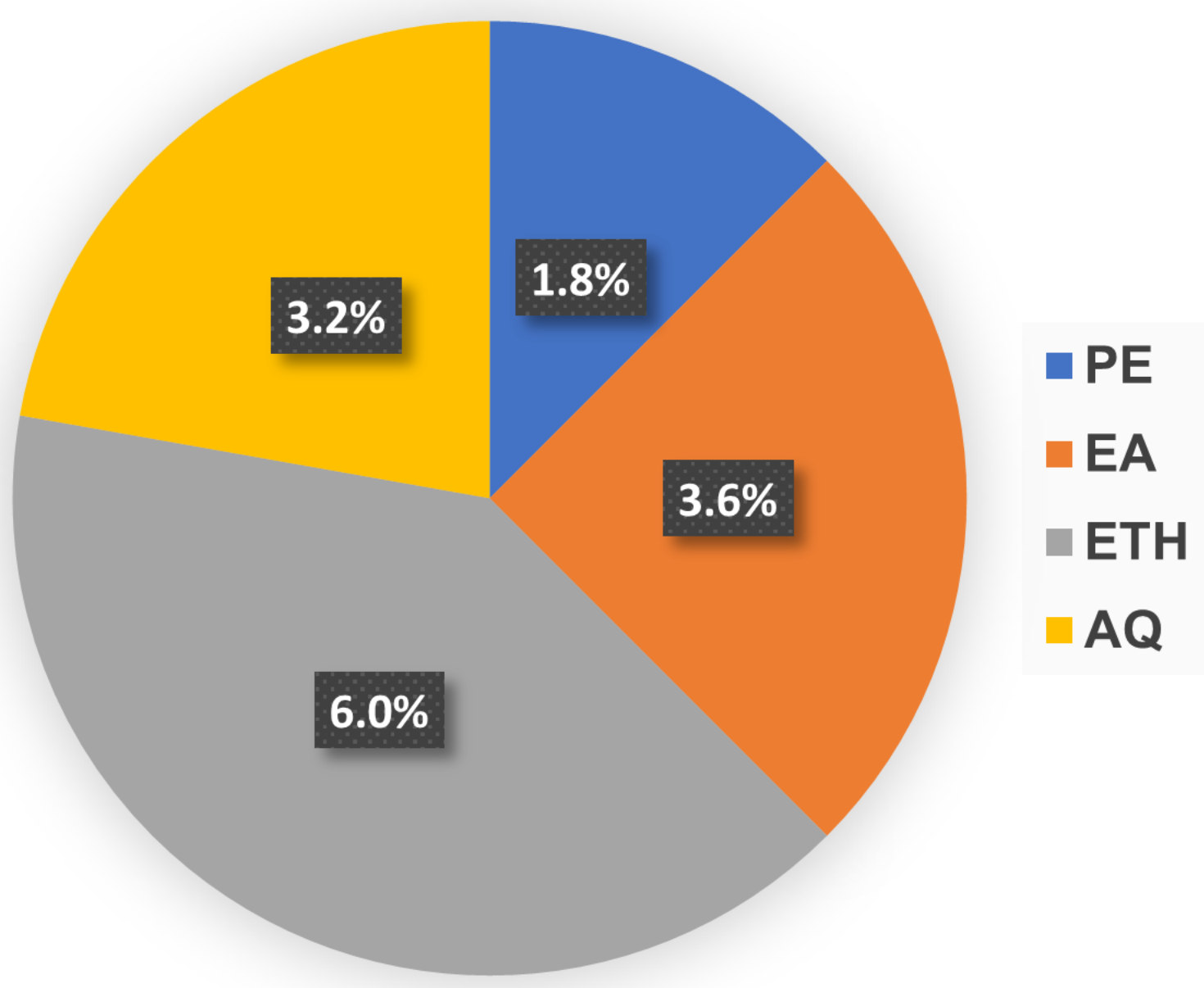
Preliminary phytochemical analysis
The leaf extracts of S. obtusa revealed the presence of a wide range of phytocompounds during the preliminary analysis. More than fifteen compounds were profiled, and almost all the extracts demonstrated the presence of each phytocompound, including alkaloids, flavonoids, terpenoids, phenolics, tannins, steroids, glycosides, saponins, vitamins, and so on. The leaf ethanolic extract depicted significant results in the preliminary analysis when compared to other extracts Table 1.
| Phytocompounds | Petroleum Ether | Ethyl Acetate | Ethanol | Aqueous |
|---|---|---|---|---|
| Alkaloid | + | + | + | + |
| Carbohydrate | + | + | + | + |
| Saponins | + | + | + | + |
| Protein | + | + | + | + |
| Phytosterols | + | + | + | + |
| Fixed oils and Fats | + | + | + | + |
| Flavonoids | + | + | + | + |
| Terpenoids | + | + | + | + |
| Tannins | + | + | + | + |
| Chalcones | _ | _ | + | _ |
| Coumarins | + | _ | + | _ |
| Acidic Compounds | _ | _ | + | _ |
| Note: + = Present, - = Absent. | ||||
Quantification of secondary metabolites
As indicated in Table 2, the ethanolic leaf extract of S. obtusa portrayed the highest concentration of secondary metabolites except for total saponin content. Among their secondary metabolites analysed, the concentration of total flavonoids was found to be the highest, i. e., (71.15 ± 0.86), followed by total saponins, phenolics, tannins, and free phenols, which have been reported to have pharmacological properties, including anticancer, anti-inflammatory, antioxidant, antidiabetic, cardioprotective, and other major properties.
| Sample | Plant part | Extracts* | Total Phenol (mg GAE/g extract) | Free Phenol (mg RE/g extract) | Total Tannins (mg GAE/g extract) | Total Flavonoid (mg RE/g extract) |
|---|---|---|---|---|---|---|
| S. obtusa | Leaf | PE | 0.40 ± 0.23 | 0.11 ± 0.01 | 0.28 ± 0.01 | 63.28 ± 0.65 |
| EA | 1.18 ± 0.01 | 0.21 ± 0.01 | 0.97 ± 0.01 | 44.37 ± 1.05 | ||
| ETH | 4.30 ± 0.02 | 1.39 ± 0.02 | 2.91 ± 0.02 | 71.15 ± 0.86 | ||
| AQ | 0.86 ± 0.01 | 0.27 ± 0.01 | 0.59 ± 0.01 | _ | ||
| Sample | Plant part | Extracts* | Total Saponins (mg DE/g extract) | Total Steroids (mg CE/g extract | Total Alkaloids (mg AE/g dry powder) | Total Vitamin C (mg/AAE/ mL) |
| S. obtusa | Leaf | PE | 35.70 ± 0.45 | _ | 1.006 ± 0.11 | 1.068 ± 0.7 |
| EA | 15.52 ± 0.58 | _ | ||||
| ETH | 20.24 ± 0.85 | 30.80 ± 0.06 | ||||
| AQ | 13.88 ± 0.75 | _ | ||||
| Note: *Values are mean ± SD of three independent experiments. PE-Petroleum ether; EA-Ethyl acetate; Eth-Ethanol; Aq-Aqueous -= not detected. | ||||||
In vitro antioxidant potential of Symplocos obtusa leaf ethanolic extract
Multiple concentrations of the four different extracts, along with standard antioxidants like ascorbic acid, rutin, and trolox, were tested for their antioxidant capacity Table 3. In the DPPH radical scavenging assay, all four different extracts were able to interact with DPPH, changing the stable deep violet colour to yellow. Four different extracts demonstrated radical scavenging effect with IC50 values ranging between 26.55 and 40.12 µg/mL. The leaf ethanolic extract exhibited the highest antioxidant activity (26.55 µg/mL), whereas its petroleum ether extract demonstrated the lowest antioxidant potential. The ABTS•+ radical scavengingassay revealed a marked concentration-dependent antioxidant response across all the tested extracts of S. obtusa. The ethanolic leaf extract exhibited the most pronounced activity with an IC50 value (27.09 µmol/g), suggesting a substantial presence of electron-donating phytoconstituents capable of neutralising the ABTS•+ chromophore. Correspondingly, the lowest activity was exhibited by the leaf petroleum ether extract.
The total antioxidant capacity (TAC) of S. obtusa was assessed via phosphomolybdenum reduction assay. Among all the tested extracts, the ethanolic leaf extract exhibited the highest total antioxidant potential, recording a value of 51.38 µg/mL expressed as ascorbic acid equivalents. In contrast, the petroleum ether extract displayed the lowest total antioxidant capacity.
All experiments were performed in triplicate, and the results are expressed as mean ± standard deviation. Statistical analysis was carried out using one-way ANOVA followed by comparison with standard antioxidants, and the differences were considered at p< 0.05. These findings affirm that the leaf ethanolic extract possesses substantial antioxidant potential, and it can be taken for further investigations.
| Sample | Plant part | Extracts | DPPH (IC50 in µg/mL) | ABTS•+ @ | Phosphomolybdenum assay& |
|---|---|---|---|---|---|
| S. obtusa | Leaf | PE | 40.12 ± 0.60a | 25.34 ± 0.01c | 12.15 ± 0.20d |
| EA | 33.84 ± 0.70b | 26.16 ± 0.03b | 15.70 ± 0.08c | ||
| Eth | 26.55 ± 0.61c | 27.09 ± 0.11a | 51.38 ± 0.08a | ||
| Aq | 32.49 ± 0.60b | 25.51 ± 0.02c | 20.54 ± 0.08b | ||
| Notes: * Values are mean±SD of three independent experiments & p< 0.05 @ Values are expressed as TEAC in µmol/g extract; & Values were expressed as mg ASE/g extract. PE-Petroleum ether; EA- Ethyl acetate; Eth-Ethanol; Aq-Aqueous | |||||
Fourier Transform Infrared Spectroscopy (FTIR)
The functional groups of the active components were determined using the FTIR spectrum by examining the peak values in the infrared radiation band Figure. 2. FTIR spectroscopic analysis has shown that the leaf ethanolic extract of S. obtusa provided substantial content of bioactive compounds with different peak values, corresponding to 3379.29, 2978.09, 1604.77, 1388.75, 1257.59, 1072.42, 964.41, 601.79 and 540.07 cm-1 stretching frequency as depicted in Table 4. The IR stretching frequency at 3340.71 cm-1 is typically associated with key functional groups like phenols and amines. A peak at 2978.09 cm-1 indicates the presence of alkanes and carboxylic acids, and the bands between 1257.59 and 1072.42 stretching depict the presence of alkyl halides, ethers and esters, respectively.
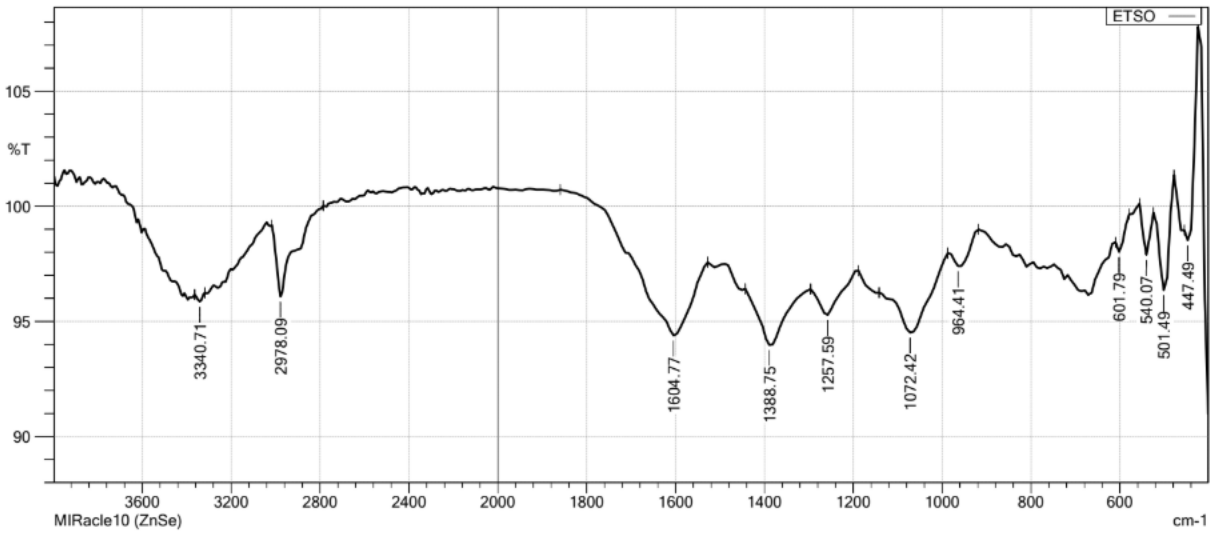
| Frequency | Class | Structure | Intensity | Assignment | |||
|---|---|---|---|---|---|---|---|
| 3379.29 | Carboxylic acids Phenols | RCO-OH Ar O-H bonded | S (broad) S (broad) | Dimer OH Ar O-H H-bonded | |||
| 2978.09 | Alkanes | RCH2CH3 | Strong | CH Stretch | |||
| 1604.77 | Amides Amines Alkenes | RCONH2 RNH2 Coni. denes | Strong Strong Strong | NH out of plane NH2 inplane bond dienes | |||
| 1388.75 | Misc | S=O sulfate | Strong | S=O sulfate ester | |||
| 1257.59 | Alkyl halides Ethers Esters Misc Misc Misc Misc | R-F Ar-O-R RCOOR P=O Phosphonate P=O Phosphoramide Si-CH3 N-O amine oxide | Strong Strong Strong Strong Strong Strong Strong | C-H Stretch C-O Stretch C-O Stretch P=O Phosphate P=O Phosphoramide Si-CH3 (Sharp) N-O aromatic | |||
| 1072.42 | Misc Misc Misc | C=S thiocarbonyl P-H Phosphine Si-OR | Strong Weak Strong | C=S thiocarbonyl P-H bending Si-OR (broad) | |||
| 794.67 | Aromatics | Meta-disub | Medium | C-H out of plane | |||
| 601.79 | Alkynes | RC=CH | Strong | C-H bend | |||
| 540.07 | Misc | SS-disulfide | Weak | SS-disulfide asym | |||
GC-MS analysis
GC-MS chromatogram of S. obtusa leaf ethanolic extract revealed 19 peaks Figure. 3 and were identified by comparing the mass spectra with the NIST library, hence it is considered a preliminary phytochemical profiling (Supplementary Table 1). In the current study, from the spectral analysis, it was determined that Decane and Benzoic acid derivatives are the common compounds in the extract. Other therapeutically relevant phytocompounds identified from the extract include Resorcinol, Ethyl 2-acetoxy-2-methylacetoacetate, Oxazolidin-4-one, Phenol, Acorenone B, Neophytadiene, Phytol, Menthol, etc Figure. 4, having a wide range of pharmacological potential, including antioxidant, anticancer, anti-inflammatory, antitumor, antidepressant properties and so on.
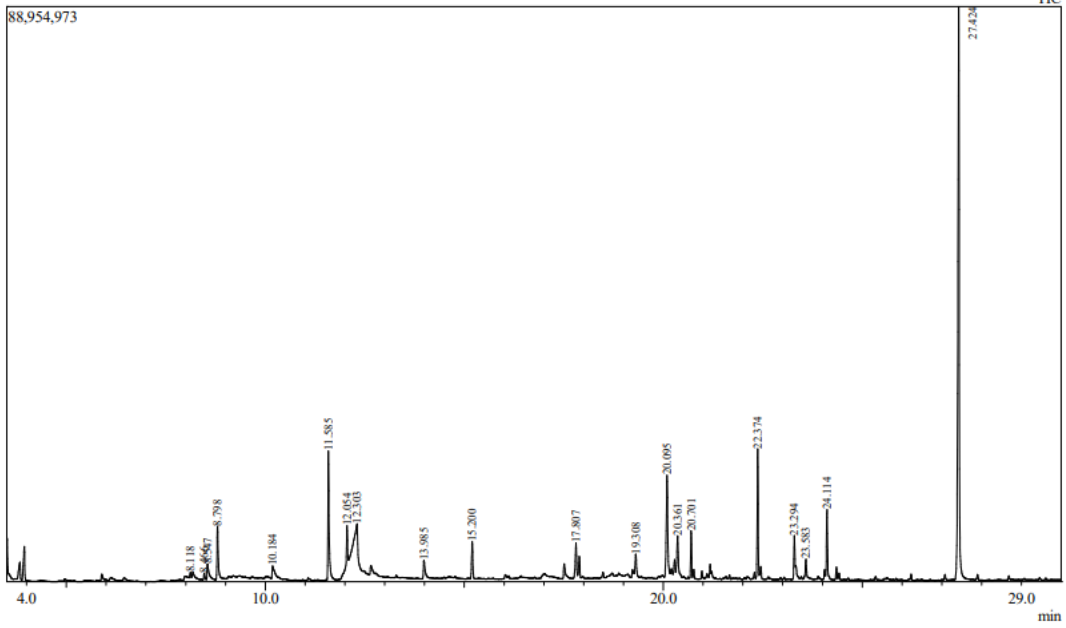
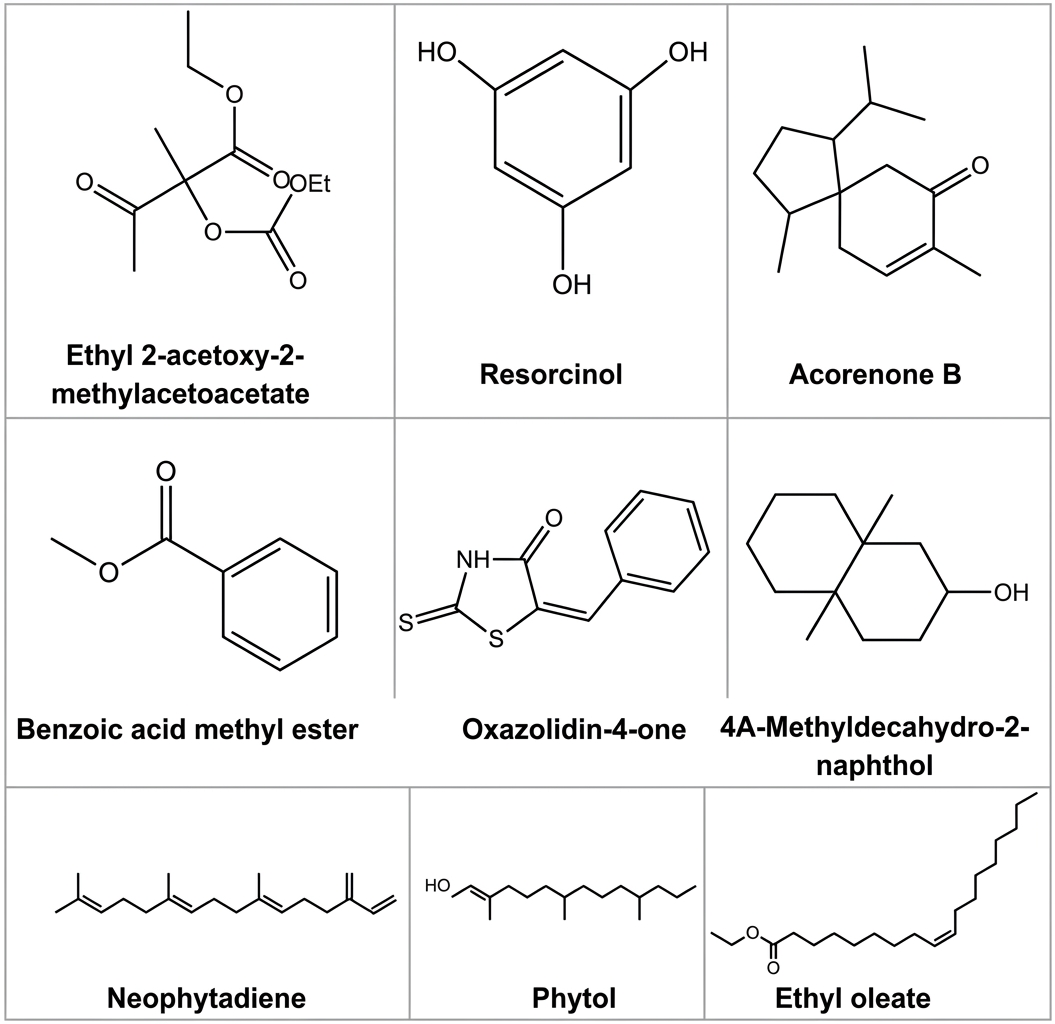
In-silico profiling of bioactive compounds and toxicity prediction
In this study, a comprehensive set of characteristics, including the physicochemical and pharmacokinetic properties of the phytochemical compounds identified from the leaf ethanolic extract of S. obtusa, may support the idea for novel drug development, as assessed by SwissADME and ADMETlab 2.0 software Table 5. The lipophilicity of the identified phytocompounds was evaluated using their predicted Log P values as a critical indicator of absorption, distribution, membrane permeability, and bioavailability.
The Log P values for the detected compounds ranged from 0.886 for Ethyl 2-acetoxy-2-methylacetoacetate and 8.007 for Neophytadiene, indicating a broad spectrum for hydrophilic and lipophilic compounds. Compounds such as Ethyl 2-acetoxy-2-methylacetoacetate and Benzoic acid with the lowest Log P exhibited better aqueous solubility, while those like 1-Hexanol, 2-ethyl-, 2-Methoxy-4-vinylphenol, 4A-Methyldecahydro-2-naphthol, 5, 5, 8a-Trimethyl-3, 5, 6, 7, 8, 8a-hexahydro-2H-chromene, etc. , with the acceptable Log P values demonstrated moderate lipid affinity, which moreover enhances cell membrane permeability.
These findings therefore offer a valuable insight into the identified constituents' pharmacokinetic behaviour and their potential therapeutic applicability. The drug-likeness or oral bioavailability potential of the identified phytocompounds from the leaf ethanolic extract was evaluated based on Lipinski’s Rule of Five. This widely accepted rule predicts drug-likeness by analysing key physicochemical parameters such as molecular weight, Log P, number of hydrogen bond donors and number of hydrogen bond acceptors. Compounds that comply with at least three or four criteria generally possess favourable pharmacokinetic properties for oral administration. Overall, almost all the identified compounds from the leaf ethanolic extract of S. obtusa fully satisfied this criterion with 0 violations and a few with a single change in the case of the Log P rule, but satisfied the remaining criteria Table 6. Subsequently, these findings support the therapeutic promise of the identified compounds.
| Compound | Lipophilicity Log P | Pharmacokinetics | Drug-likeness | |
|---|---|---|---|---|
| Ethyl 2-acetoxy-2-methylacetoacetate | 0.886 | GI absorption- High BBB permeant- No | Lipinski-Yes; 0 violation | |
| Benzoic acid, methyl ester | 2.215 | GI absorption- High BBB permeant- Yes | Lipinski-Yes; 0 violation | |
| Benzoic acid | 1.957 | GI absorption- High BBB permeant- Yes | Lipinski-Yes; 0 violation | |
| 2-Methoxy-4-vinylphenol | 2.251 | GI absorption- High BBB permeant- Yes | Lipinski-Yes; 0 violation | |
| 4A-Methyldecahydro-2-naphthol | 3.062 | GI absorption- High BBB permeant- Yes | Lipinski-Yes; 0 violation | |
| 5, 5, 8a-Trimethyl-3, 5, 6, 7, 8, 8a-hexahydro-2H-chromene | 3.733 | GI absorption- High BBB permeant- Yes | Lipinski-Yes; 0 violation | |
| Neophytadiene | 8.007 | GI absorption- Low BBB permeant- No | Lipinski-Yes; 1 violation: MLOGP > 4.15 | |
| Hexadecanoic acid, ethyl ester | 7.448 | GI absorption- High BBB permeant- No | Lipinski-Yes; 1 violation: MLOGP > 4.15 | |
| Phytol | 7.385 | GI absorption- Low BBB permeant- No | Lipinski-Yes; 1 violation: MLOGP > 4.15 | |
| Ethyl Oleate | 6.921 | GI absorption- Low BBB permeant- No | Lipinski-Yes; 1 violation: MLOGP > 4.15 | |
The potential toxicity of the identified compounds was assessed using the ProTox3.0 platform. The predicted parameters include toxicity class, oral acute toxicity, maximum tolerated dosage and several other prominent toxicity types (Supplementary Table 2). The compounds were categorised into six toxicity classes (classes I-VI), with class I being the most toxic, and the toxicity level decreases with subsequent classes. Most of the identified compounds fall into the classes of IV, V and VI, indicating low or very low toxicity potential. The toxicity profile suggests that most of the phytocompounds exhibited favourable safety profiles, supporting their potential use in therapeutic applications.
Discussion
The phytochemical evaluation of S. obtusa revealed the presence of a diverse array of secondary metabolites, including flavonoids, phenolics, alkaloids, terpenoids, and fatty acid esters. Previous literature has also shown supporting evidence for this. The percentage yield of S. obtusa extracts varied considerably depending on the solvent systems used. The highest extractive yield has been demonstrated by the ethanolic extract, while the lowest has been recorded for the petroleum ether extract. These yields were consistent with the reported values of S. racemosa, with slight changes in values due to its species-specific phytochemical content or the plant part used. However, overall, the extractive yield of bioactive components is higher, highlighting the effective compound separation using different solvent types (20). Qualitative screening of S. obtusa leaf extracts revealed the presence of alkaloids, flavonoids, phenolics, tannins, glycosides, terpenoids, steroids, flavones, chalcones and coumarins. This profile aligns closely with S. racemosa, which also revealed positive impacts for flavonoids, tannins, saponins, and glycosides. Subsequently, coumarins, chalcones and flavones were additionally found in S. obtusa, emphasising its species-rich phytochemical profile (21). In quantitative metabolic profiling, the high total flavonoid content observed in S. obtusa (71.15±0.86 mg RE/g extract) is notably greater than the values reported for other Symplocos species. In S. cochinchinensis, the recorded flavonoid levels were 1.12±0.01 mg QE/g, which is substantially lower when compared to S. obtusa (22). Similarly, in another study conducted in S. cochinchinensis, it registered the total flavonoid content of 13.7mg/g, and these comparisons highlight the unique flavonoid-enriched phytochemical profile of S. obtusa, underscoring its possible therapeutic potential, as flavonoids are widely known for their radical scavenging and other major pharmacological properties (23).
In a comprehensive antioxidant potential analysis conducted on S. cochinchinensis, the methanolic leaf extract exhibited notable radical scavenging activity in DPPH, ABTS•+, and reducing power assays, reflecting a robust reductive potential (24). Similarly, in S. sawafutagi and S. tanakana, the ethanolic extracts contained potent phenolics, such as tellimagrandin II and quercetin derivatives, which conferred excellent antioxidant and glycation-inhibitory activities (25). S. racemosa methanolic extract exhibited potent ABTS•+ scavenging activity, rated on par with ascorbic and rutin standards (26). These patterns are closely echoed in S. obtusa, where the ethanolic extract, which is polar, notably surpassed other fractions in all assays, and correspondingly confirms the antioxidant potential of the Symplocos genus.
Despite the genus Symplocos, a study comparing the Indian medicinal plants revealed DPPH IC50 values of approximately 29.66 µg/mL for Dillenia indica and 34.22 µg/mL for Albizia lebbeck. The ABTS•+ IC50 for D. indica was around 24.08 µg/mL, which is comparable to the DPPH and ABTS•+ potency observed in S. obtusa (27). These comparisons affirm the antioxidant potential of S. obtusa with other well-recognised antioxidant-rich species. A comparative study on Helicia robusta revealed DPPH 6.86 µg/mL and ABTS•+ 35. 93 µg/mL, respectively (28). On comparing these values, these studies justify the significant antioxidant potential of S. obtusa.
The FTIR spectral analysis of S. obtusa leaf ethanolic extract shows distinct absorption bands indicative of various functional groups. The high frequency levels like 3379.29 cm-1 are broad with O-H/N-H stretching band, typically of phenolic compounds, which are consistent with the reports of other plant extracts like S. racemosa, which also have similar broad bands (~3380 cm-1) attributed to phenolics and flavonoids. 2978.09 cm-1 represents aliphatic C-H stretching of methyl or alkane groups, representing typically of long-chain alkanes and fatty acids. Similar vibrations around 2920-2850 cm-1were observed in S. racemosa bark extract (29). The low-frequency absorption levels, like 601.79 and 540.07 cm-1 suggests possible C-H stretching, indicating alkyl halides, which is less typical in other Symplocos species but observed in ethanolic extracts of other plant species such as Caulerpa racemosa (30).
GC-MS analysis of S. obtusa revealed a rich profile of bioactive compounds, including resorcinol, acorenone B, phytol, menthol, neophytadiene, hexadecenoic acid ethyl ester, and ethyl oleate. These compounds share notable parallels with those reported in the medicinal plant species, both within the Symplocos genus and across different genera, supporting their potential pharmacological implications. Phytol is a widely reported diterpene found in various plants and is often linked to antioxidant, antimicrobial, and anti-inflammatory effects. For instance, the ethanolic extract of Eichhornia crassipes and Pistia stratiotes contains roughly 2-8% of phytol, which has evidenced potential anti-microbial and anticancer activities (31). Similarly, Onosma bracteatum ethanolic extracts rich in phytol, ethyl oleate, and hexadecenoic acid demonstrated strong antioxidant and antibacterial effects as manifested in S. obtusa with similar biological effects (32). While the direct presence of resorcinol in the Symplocos genus is lacking. Resorcinol-type phenolics are recognised to have anticancer, antioxidant, and antimicrobial activities in plant genera like Pogostemon cablin, which highlights potential regulatory effects on oxidative stress, supporting the findings in S. obtusa (33). As detected in S. obtusa, neophytadiene has been isolated from the essential oils in the aerial parts of Saposhnikovia divaricata, contributing to anti-inflammatory and cytotoxic effects by inhibiting NO and pro-inflammatory cytokines (34). Sesquiterpene ketones, such as acorenone B, were found in aromatic plants and are implicated in antimicrobial and anti-inflammatory responses (35).
The comprehensive evaluation of the physicochemical and pharmacokinetic properties of the phytocompounds identified from the leaf ethanolic extract of S. obtusa using SwissADME and ADMETlab 2.0 software highlights their potential as promising drug candidates. The predicted Log P values ranged between 0.886 and 8.007, representing a diverse lipophilicity profile from hydrophilic to lipophilic. Compounds like Ethyl 2-acetoxy-2-methylacetoacetate and Benzoic acid with lower Log P values are advantageous for smooth gastrointestinal absorption and systemic circulation. In contrast, compounds like Neophytadiene and 4A-Methyldecahydro-2-naphthol, with high Log P values, demonstrated better lipid membrane affinity, which may enhance cellular uptake and tissue penetration. Similar patterns were observed in a study on Spirulina platensis, where compounds with diverse Log P values demonstrated strong potential for drug-likeness and bioavailability (36). Most of the identified compounds from S. obtusa complied with Lipinski’s Rule of Five, which evaluates oral bioavailability. Except for a few compounds, which show minor deviations in Log P, all other parameters were within acceptable limits, indicating good oral-drug likeness. A similar trend was noted on phytocompounds from Ocimum sanctum and Combretum micranthum (37).
The toxicity profiling of S. obtusa compounds revealed that most of the compounds belong to classes IV, V and VI, suggesting low toxicity. These results are highly comparable to the toxicity classes predicted from other medicinal plants like Tinospora cordifolia and Azadirachta indica, with low oral toxicity and high therapeutic indices (38). Compared to other species within the Symplocos genus, S. obtusa has revealed phytochemicals with similar pharmacokinetic profiles, reinforcing the drug-likeness potential of the genus as a whole (39).
The comparison with previously reported studies were made to place the findings in a broader scientific context. Variations in total phenolic, tannin, and flavonoid contents observed across different studies may be attributed to several contributing factors. However, differences in extraction methods and experimental conditions among studies also influence the results. These include the type of solvent used, extraction temperature and duration, geographical origin of the plant material, seasonal variation during collection, and the plant part examined. Such factors are well known to significantly affect the yield and composition of bioactive compounds, thereby leading to discrepancies in quantitative phytochemical data across studies.
Conclusion
The present study revealed that the leaf extract of S obtusa is a rich source of bioactive phytoconstituents. Among the different solvents, the ethanolic extract expressed the highest extractive yield and contained higher amounts of secondary metabolites such as flavonoids, phenolics, tannins, alkaloids and terpenoids. The ethanolic extract also exhibited better antioxidant activity when compared to other extracts. FTIR and GC-MS analysis confirmed the presence of various functional groups and biologically active compounds such as phytol, resorcinol, neophytadiene, menthol, acorenone B, known for their pharmacological properties. In-silico ADME and toxicity prediction indicated that most of the compounds displayed good drug-likeness, favourable bioavailability, and low toxicity. Overall, the results suggest that S. obtusa leaf ethanolic extract could be a promising natural source of therapeutic compounds, even though further elaborate in-vitro, in vivo, and clinical studies are required to confirm and validate its pharmacological relevance.
Abbreviations
TPC = Total Phenolic Content; TTC = Total Tannin Content; PVPP = Polyvinylpolypyrrolidone; TFC = Total Flavonoid Content; TVC = Total Vitamin Content; DPPH = 2, 2-diphenyl-1-picrylhydrazyl; ABTS•+= 2, 2’ – azino-bis (3-ethylbenzothiazoline-6-sulfonic acid); TAC = Total Antioxidant Activity.
Declarations
Conflict of Interest
The authors declare no conflicting interest.
Data Availability
The data generated during and/or analyzed during the current study are available from the corresponding author on reasonable request.
Ethics Statement
Ethical approval was not required for this study.
Funding Information
The author(s) declare that no financial support was received for the research, authorship, and/or publication of this article.
Supplemental Material
Supplementary Tables 1 and 2 can be viewed at the following link: https://etflin.com/file/document/20260406061101_288151_86bdc145.docx
References
- Velu G, Palanichamy V, Rajan AP. Phytochemical and Pharmacological Importance of Plant Secondary Metabolites in Modern Medicine. Cham: Springer International Publishing; 2018. doi: https://doi.org/10.1007/978-3-319-74210-6_8
- Bansal A, Priyadarsini C. Medicinal Properties of Phytochemicals and Their Production. IntechOpen; 2022. doi: https://doi.org/10.5772/intechopen.98888
- Badoni R, Semwal DK, Kothiyal SK, Rawat U. Chemical constituents and biological applications of the genusSymplocos. Journal of Asian Natural Products Research. 2010;12(12):1069-1080. doi: https://doi.org/10.1080/10286020.2010.532789
- Semwal RB, Semwal DK, Semwal R, Singh R, Rawat MSM. Chemical constituents from the stem bark of Symplocos paniculata Thunb. with antimicrobial, analgesic and anti-inflammatory activities. Journal of Ethnopharmacology. 2011;135(1):78-87. doi: https://doi.org/10.1016/j.jep.2011.02.021
- Sunil C, Ignacimuthu S, Agastian P. Antidiabetic effect of Symplocos cochinchinensis (Lour.) S. Moore. in type 2 diabetic rats. Journal of Ethnopharmacology. 2011;134(2):298-304. doi: https://doi.org/10.1016/j.jep.2010.12.018
- Abida P, De Britto AJ, Antoney J, Raj TLS. Evaluation of in vitro anticancer activity of Symplocos cochinchinensis (Lour.) S. Moore bark. Int J Herb Med. 2016; 4(6): 117-119.
- Harborne JB. Organic Acids, Lipids and Related Compounds. Dordrecht: Springer Netherlands; 1984. doi: https://doi.org/10.1007/978-94-009-5570-7_4
- Richardson PM, Harborne JB. Phytochemical Methods: A Guide to Modern Techniques of Plant Analysis. Second Edition. Brittonia. 1990;42(2):115. doi: https://doi.org/10.2307/2807624
- Makkar HPS. Quantification of Tannins in Tree and Shrub Foliage. Dordrecht: Springer Netherlands; 2003. doi: https://doi.org/10.1007/978-94-017-0273-7
- Zhishen J, Mengcheng T, Jianming W. The determination of flavonoid contents in mulberry and their scavenging effects on superoxide radicals. Food Chemistry. 1999;64(4):555-559. doi: https://doi.org/10.1016/s0308-8146(98)00102-2
- Madhu M, Sailaja V, Satyadev TN, Satyanarayana MV. Quantitative phytochemical analysis of selected medicinal plant species by using various organic solvents. J Pharmacogn Phytochem. 2016; 5(2): 25-29.
- Harris LJ, Olliver M. Vitamin methods. Biochemical Journal. 1942;36(1-2):155-182. doi: https://doi.org/10.1042/bj0360155
- Sharma T, Gamit R, Acharya R, Shukla VJ. Quantitative estimation of total tannin, alkaloid, phenolic, and flavonoid content of the root, leaf, and whole plant of Byttneria herbacea Roxb. AYU (An International Quarterly Journal of Research in Ayurveda). 2021;42(3):143-147. doi: https://doi.org/10.4103/ayu.ayu_25_19
- Blois MS. Antioxidant Determinations by the Use of a Stable Free Radical. Nature. 1958;181(4617):1199-1200. doi: https://doi.org/10.1038/1811199a0
- Re R, Pellegrini N, Proteggente A, Pannala A, Yang M, Rice-Evans C. Antioxidant activity applying an improved ABTS radical cation decolorization assay. Free Radical Biology and Medicine. 1999;26(9-10):1231-1237. doi: https://doi.org/10.1016/s0891-5849(98)00315-3
- Prieto P, Pineda M, Aguilar M. Spectrophotometric Quantitation of Antioxidant Capacity through the Formation of a Phosphomolybdenum Complex: Specific Application to the Determination of Vitamin E. Analytical Biochemistry. 1999;269(2):337-341. doi: https://doi.org/10.1006/abio.1999.4019
- Jain PK, Soni A, Jain P, Bhawsar J. Phytochemical analysis of Mentha spicata plant extract using UV-VIS, FTIR and GC/MS technique. J Chem Pharm Res. 2016; 8(2): 1-6.
- Neelamegam R, Ezhilan B. GC-MS analysis of phytocomponents in the ethanol extract of Polygonum chinense L. Phcog Res. 2012;4(1):11. doi: https://doi.org/10.4103/0974-8490.91028
- Tripathi P, Ghosh S, Talapatra SN. Bioavailability prediction of phytochemicals present in Calotropis procera (Aiton) R. Br. by using Swiss-ADME tool. World Sci News. 2019; 131: 147-163.
- Samala G, Sudhakar P. Phytochemistry and antioxidant potential of Symplocos racemosa bark extract. Int J Res Edu Sci Meth. 2025; 13(2): 184-192.
- Tambe R, Kulkarni M, Bhise K. Preliminary phytochemical screening and HPTLC fingerprinting of bark extracts of Symplocos racemosa. J Pharm Phytochem. 2013; 2(3): 45-49.
- Nguyen TH. Phenolics and bioactivities of Symplocos cochinchinensis leaf extracts obtained by conventional solvent, enzyme and ultrasound assisted extractions. Res Innov Food Sci Technol. 2024; 13(2): 89-94.
- Ly HT, Pham CS, Nguyen TH, Tran NT, Lam BT, Le Thi KO, et al. Anti-inflammatory and antioxidant activities of Symplocos cochinchinensis (Lour.) Moore ssp. Laurina (Retz.) Nooteb leaf extract. J Sci Med Pharm Sci. 2021; 37(3): 1-9.
- Ly HT, Le VKT, Le VM, Phan CS, Vo CT, Nguyen ML, et al. Phytochemical analysis and correlation of total polyphenol content and antioxidant properties of Symplocos cochinchinensis leaves. Vmost. 2022;64(1):43-48. doi: https://doi.org/10.31276/vjste.64(1).43-48
- Seong SH, Kim BR, Park JS, Jeong DY, Kim TS, Im S, et al. Phytochemical profiling of Symplocos tanakana Nakai and S. sawafutagi Nagam. leaf and identification of their antioxidant and anti-diabetic potential. Journal of Pharmaceutical and Biomedical Analysis. 2023;233:115441. doi: https://doi.org/10.1016/j.jpba.2023.115441
- Kar D, Panda MK. In vitro Antioxidant Potential of Methanolic Extract of Symplocos racemosa Roxb. Asian J. Chem. 2017;29(10):2271-2274. doi: https://doi.org/10.14233/ajchem.2017.20747
- Singh G, Passsari AK, Leo VV, Mishra VK, Subbarayan S, Singh BP, et al. Evaluation of Phenolic Content Variability along with Antioxidant, Antimicrobial, and Cytotoxic Potential of Selected Traditional Medicinal Plants from India. Front. Plant Sci. 2016;7. doi: https://doi.org/10.3389/fpls.2016.00407
- Mariani F, Tammachote R, Kusuma IW, Chavasiri W, Punnapayak H, Prasongsuk S. Phenolic Content and Biological Activities of Ethanol Extracts from Medicinal Plants in East Kalimantan, Indonesia. Jsm. 2021;50(8):2193-2205. doi: https://doi.org/10.17576/jsm-2021-5008-05
- Samala G, Sudhakar P. Phytochemistry and antioxidant potential of Symplocos racemosa bark extract. Int J Res Edu Sci Meth. 2025; 13(2): 184-192.
- Palaniyappan S, Sridhar A, Kari ZA, Téllez-Isaías G, Ramasamy T. Evaluation of Phytochemical Screening, Pigment Content, In Vitro Antioxidant, Antibacterial Potential and GC-MS Metabolite Profiling of Green Seaweed Caulerpa racemosa. Marine Drugs. 2023;21(5):278. doi: https://doi.org/10.3390/md21050278
- Tyagi T, Agarwal M. Gc-ms analysis of invasive aquatic weed, pistia stratiotes l. and eichhornia crassipes (mart.) solms. Int J Curr Pharm Sci. 2017;9(3):111. doi: https://doi.org/10.22159/ijcpr.2017.v9i3.19970
- Saini S, Tuli HS, Chauhan R, Sharma U, Bansal P. Ethyl Oleate, Hexadecenoic Acid, Phytol Profiling of Onosma bracteatum: Antibacterial, Anticancer and Molecular Docking Studies. ajc. 2024;36(10):2300-2306. doi: https://doi.org/10.14233/ajchem.2024.32310
- Srivastava S, Lal R, Singh V, Rout P, Padalia R, Yadav AK, et al. Chemical investigation and biological activities of Patchouli (Pogostemon cablin (Blanco) Benth) essential oil. Industrial Crops and Products. 2022;188:115504. doi: https://doi.org/10.1016/j.indcrop.2022.115504
- Li B, Yang Z, Mao F, Wang Q, Fang H, Gu X, et al. Phytochemical profile and biological activities of the essential oils in the aerial part and root of Saposhnikovia divaricata. Sci Rep. 2023;13(1). doi: https://doi.org/10.1038/s41598-023-35656-w
- Tyagi T, Agarwal M. Gc-ms analysis of invasive aquatic weed, pistia stratiotes l. and eichhornia crassipes (mart.) solms. Int J Curr Pharm Sci. 2017;9(3):111. doi: https://doi.org/10.22159/ijcpr.2017.v9i3.19970
- Riyadi PH, Romadhon, Sari ID, Kurniasih RA, Agustini TW, Swastawati F, et al. SwissADME predictions of pharmacokinetics and drug-likeness properties of small molecules present in Spirulina platensis. IOP Conf. Ser.: Earth Environ. Sci. 2021;890(1):012021. doi: https://doi.org/10.1088/1755-1315/890/1/012021
- Ononamadu CJ, Ibrahim A. Molecular docking and prediction of ADME/drug-likeness properties of potentially active antidiabetic compounds isolated from aqueous-methanol extracts of Gymnema sylvestre and Combretum micranthum. BioTechnologia. 2021;102(1):85-99. doi: https://doi.org/10.5114/bta.2021.103765
- James JP, Ail PD, Crasta L, Kamath RS, Shura MH, T.J S. In Silico ADMET and Molecular Interaction Profiles of Phytochemicals from Medicinal Plants in Dakshina Kannada. Journal of Health and Allied Sciences NU. 2023;14(02):190-201. doi: https://doi.org/10.1055/s-0043-1770057
- Khan M, Sur TK, Saha A, Ghosh C, Biswas TK, Chatterjee S, et al. In-Vitro and In-Silico Approach Distinguish ER-α and HER-2 Antagonistic Properties of Indian Herbal Formulation on Breast Cancer. J. Drug Delivery Ther. 2023;13(11):6-12. doi: https://doi.org/10.22270/jddt.v13i11.6274