RESEARCH ARTICLE
Analyzing Sound Wave Concepts in the Traditional Rebana Instrument for Local Wisdom–Based Science Learning
Artistic Studies|Vol. 2, Issue 1, pp. 29-35 (2026)
CC BY 4.0-2026 Authors
Views
Downloads
Shares

Received
Feb 24, 2026Revised
Jun 9, 2026Accepted
Jun 29, 2026Published
Jun 30, 2026
Abstract
Physics learning on sound waves is often overly theoretical, hindering students' conceptual connection to real-world phenomena. This study explores the potential of the traditional rebana as a culturally relevant science learning resource to bridge this gap. Using an exploratory qualitative design, acoustic properties of the rebana were analyzed via the Phyphox application and interpreted through the Miles, Huberman, and Saldaña model. Results confirm that the rebana effectively demonstrates core sound wave concepts—timbre, amplitude, frequency, and resonance—with physical structure and vibration energy directly dictating its acoustic output. Baseline acoustic data (145–1251 Hz; 87–89 dB) support the observable variations in amplitude and resonance found in this study. Furthermore, teacher feedback highlights that unlike conventional textbook-based instruction, the rebana provides tangible demonstrations of vibration and pitch, significantly enhancing student engagement. Consequently, the rebana serves as a scientifically measurable and contextually rich tool that integrates local wisdom into modern physics education, fostering meaningful learning experiences.
Keywords:
Introduction
Science education plays a central role in developing students’ understanding of natural phenomena and equipping them with essential scientific literacy for the modern world. Natural Science encompasses multiple disciplines, including physics, which continues to evolve alongside technological advancement and societal needs (1). Despite its importance, physics is frequently perceived by students as difficult, abstract, and disconnected from their daily experiences (2). This perception is particularly evident in topics such as sound waves, which involve complex and invisible processes including vibration, frequency, amplitude, and resonance. Students often struggle to connect theoretical explanations of sound waves with real-world phenomena, leading to persistent misconceptions and low conceptual understanding (3, 4). Several studies have documented that students hold incorrect or incomplete ideas about sound wave concepts such as propagation, intensity, and the Doppler effect, which impede their ability to relate theory to observable experiences (5). Furthermore, conventional teaching practices tend to rely heavily on lectures and static visual representations, limiting opportunities for experiential learning and meaningful conceptual construction (6–8).
The urgency of addressing this issue aligns with the increasing emphasis on contextual and culturally relevant learning approaches, particularly through the integration of local wisdom into science education. Local wisdom represents accumulated cultural knowledge, practices, and values that have been developed and preserved within communities across generations (9). Integrating local wisdom into education has been shown to strengthen students’ cultural identity while simultaneously enhancing conceptual understanding by connecting scientific principles with familiar real-life contexts (10). This approach is also consistent with contemporary curriculum reforms that emphasize contextual learning to develop scientifically literate and culturally grounded students. However, despite its recognized potential, the use of local cultural resources in science education remains limited, and learning materials are still predominantly theoretical and detached from students’ sociocultural environments. As a result, students often perceive physics as irrelevant, which negatively affects motivation and learning outcomes (6).
One culturally significant artifact with strong scientific relevance is the rebana, a traditional percussion instrument widely used in religious performances and cultural celebrations across Indonesian Muslim communities. Symbolizing harmony, unity, spiritual expression, and collective participation, the rebana functions as an artistic medium that conveys vital cultural values. Beyond its sosiocultural importance, its distinctive rhythmic patterns originate from periodic membrane vibrations that generate observable sound phenomena. When the membrane is struck by the player's hand, it produces sound waves with measurable frequencies and amplitudes, effectively illustrating fundamental physics principles such as vibration, periodicity, longitudinal wave propagation, frequency variation, amplitude differences, and resonance (11).
Previous studies have demonstrated that traditional musical instruments contain rich physics concepts and can serve as effective contextual learning media (12, 13). Additionally, cultural-based physics learning has been shown to enhance students’ conceptual understanding, engagement, and appreciation of cultural heritage (14, 15). However, existing literature has primarily focused on isolated engineering acoustic analyses or purely theoretical explorations rather than systematically translating the physical mechanics of traditional instruments into concrete instructional frameworks. Consequently, there remains a significant research gap in integrating these cultural resources into formal science education to support contextual learning. This study directly addresses this gap by combining qualitative ethnoscience observations with direct smartphone-based acoustic analysis using the Phyphox application. The novelty of this work lies in its systematic transformation of a living cultural artifact into a practical, accessible laboratory resource designed to challenge student misconceptions regarding abstract wave behaviors.
Therefore, this study proposes an innovative approach by analyzing the sound wave concepts embedded in the rebana and exploring its potential as a local wisdom-based science learning resource. This research aims to 1) analyze the mechanism of sound production in the rebana, 2) identify the sound wave concepts represented in the instrument, and 3) evaluate its potential application as a contextual science learning resource. Using an exploratory qualitative methodology involving observation, interviews, documentation, and experimental analysis, this study seeks to bridge the gap between scientific theory and cultural practice. The findings are expected to contribute to the development of culturally relevant science learning resources, improve students’ conceptual understanding of sound waves, and support the integration of local wisdom into modern science education.
Methodology
Study Design and Rationale
This study employed an exploratory qualitative research design to investigate the sound wave concepts embedded in the traditional rebana musical instrument and its potential as a local wisdom–based science learning resource. This design was selected because the study aimed to explore physical phenomena within a cultural context while simultaneously examining their educational relevance. Exploratory qualitative approaches are widely used in ethnophysics and science education research to analyze scientific concepts embedded in traditional cultural practices and to interpret observable physical phenomena within real-world environments (13, 15). Furthermore, qualitative methods allow for in-depth investigation of sound production mechanisms, vibration behavior, and acoustic characteristics of traditional musical instruments, as well as their integration into contextual learning environments (14, 16). This approach aligns with the interpretive paradigm, which emphasizes understanding scientific meaning derived from cultural artifacts and experiential observation.
Data Source and Sampling
The primary data source consisted of traditional rebana musical instruments and their sound production processes observed in natural performance settings. The study was conducted at the Al-Azhar Hadrah Group in Tempurejo, Jember, Indonesia, and supported by contextual analysis in a school science learning environment. The unit of analysis included sound vibration phenomena, frequency characteristics, amplitude variations, and resonance produced by the rebana. A purposive sampling technique was applied to select instruments and participants with relevant expertise and experience in rebana performance. Purposive sampling is appropriate for ethnoscience and ethnophysics research because it enables the selection of information-rich sources capable of providing meaningful scientific and cultural insights 13, 16). The purposive sample explicitly included 15 experienced performers from the Al-Azhar Hadrah Group and 3 secondary science educators. A total of 3 distinct rebana instruments varying in diameter—specifically small (20 cm), medium (30 cm), and large (40 cm)—were selected to analyze diverse acoustic and frequency variations.
Data Collection Procedures
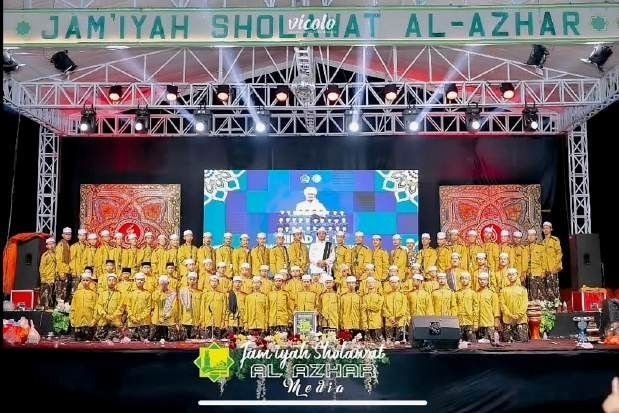
Data collection was conducted through systematic observation, experimental demonstration, interviews, and documentation to ensure comprehensive analysis. The observation process involved students performing rebana rhythms during learning activities to identify the characteristics of the sound waves produced. Figure 1 Shows field documentation of students performing rebana during a cultural-religious musical activity. This documentation illustrates the real context in which the rebana is played and supports the observational data collected in this study.
Each rebana was struck at different positions, including the center and edge of the membrane, to examine variations in vibration patterns, sound intensity, and frequency characteristics Acoustic measurements were captured via the Phyphox application (Version 1.1.13) installed on a mid-range smartphone equipped with a standard internal omnidirectional microphone. To ensure data reliability, testing was conducted in a controlled, low-reverberation room with an ambient noise level below 35 dB. The smartphone was secured on a tripod at a fixed distance of 30 cm perpendicular to the center of the instrument's membrane, ensuring consistent data extraction across frequency ranges between 20 Hz and 20,000 Hz under varying striking forces. Experimental manipulation was also performed by varying membrane tension and striking force to observe changes in amplitude and resonance. These procedures are consistent with previous acoustic studies demonstrating that vibration, membrane tension, and strike location influence sound wave characteristics in traditional musical instruments (14, 17).
In addition to observation and experimental measurement, semi-structured interviews were conducted with rebana players and science educators to obtain contextual information regarding sound production techniques and the potential use of rebana as a science learning resource. Each interview was conducted in person, recorded, and transcribed for analysis. The semi-structured interviews with science educators and performers were conducted in the local language (Bahasa Indonesia). To preserve the authentic context and original meaning of the responses, the qualitative transcriptions underwent initial thematic coding in their native language before being translated into English using a double-translation cross-verification process by the research team. Documentation, including photographs and video recordings, was also collected to support data interpretation and ensure analytical accuracy. The use of multiple data collection techniques enhances data credibility and ensures comprehensive understanding of sound wave phenomena within cultural contexts (15, 16).
Data Analysis
The collected data were analyzed using qualitative interactive analysis techniques combined with descriptive acoustic analysis to identify sound wave characteristics and their relevance to physics learning concepts. The analysis began with data reduction, in which relevant observational, experimental, and interview data were selected, organized, and categorized based on sound wave parameters such as vibration, frequency, amplitude, and resonance. This stage was followed by data display, where the organized data were presented in visual and descriptive forms to facilitate interpretation and comparison of sound characteristics produced under different experimental conditions. The final stage involved conclusion drawing and verification, where relationships between rebana sound production mechanisms and sound wave theory were interpreted and validated through repeated observation and triangulation. This analytical model is widely used in ethnophysics and science education research to ensure systematic interpretation and scientific rigor (13, 15).
Furthermore, acoustic data were analyzed descriptively by comparing frequency and amplitude patterns generated under different experimental conditions. This analysis enabled identification of key sound wave principles represented in the rebana, including vibration, longitudinal wave propagation, and resonance. Such analytical approaches have been successfully applied in previous studies investigating the physics concepts of traditional musical instruments (14, 17).
Results and Discussion
Sound Wave Characteristics in the Rebana Instrument
The results of observation and analysis revealed that the rebana produces sound through membrane vibration, which generates mechanical longitudinal waves that propagate through the surrounding air medium. Structurally, the rebana consists of several main components, including a circular wooden frame, a stretched membrane made of animal skin or synthetic material, and a hollow cavity that functions as a resonance chamber. The membrane acts as the primary vibrating surface, while the wooden frame supports the membrane tension and maintains the structural stability of the instrument. The hollow cavity inside the instrument amplifies the vibration produced when the membrane is struck, allowing the sound waves to propagate more clearly through the surrounding air. When the membrane is struck, vibration energy spreads across the membrane surface and is amplified by the resonance cavity, producing audible sound waves with specific acoustic characteristics. This finding confirms that sound waves produced by the rebana consist of compressions and rarefactions resulting from oscillatory motion of the membrane after being struck. This mechanism demonstrates that the rebana serves as a direct representation of longitudinal sound wave propagation, where vibration energy is transferred through the air and received as audible sound. Differences in rebana size, membrane tension, and resonance cavity dimensions may result in variations in frequency and sound intensity produced by different types of rebana instruments.
These findings align with studies suggesting that traditional musical instruments can effectively represent sound wave concepts through observable vibration and acoustic characteristics (18-20). Further findings identified five main sound wave concepts embedded in the rebana and other hadrah instruments, namely longitudinal waves, timbre, amplitude, frequency, and resonance. These concepts were found to be interconnected and collectively influence the acoustic characteristics of the instrument. The timbre produced by each hadrah instrument differed significantly, depending on structural characteristics such as membrane size, material composition, and instrument shape, as well as variations in playing techniques. This structural variation resulted in differences in vibration behavior and sound output, confirming that the physical properties of the instrument directly influence sound wave characteristics. This phenomenon is illustrated in Figure 2, which shows the propagation pattern of longitudinal waves produced by membrane vibration.
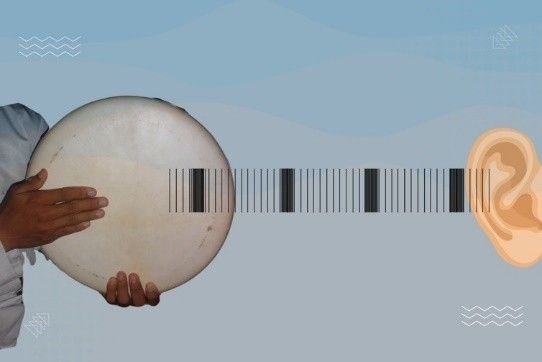
The figure is characterized by a visual representation of compression and rarefaction patterns moving outward from the sound source, demonstrating how vibration energy propagates through the medium. This visual evidence strengthens the conclusion that rebana sound production is consistent with theoretical sound wave propagation principles.
Amplitude Characteristics of Rebana Sound Waves
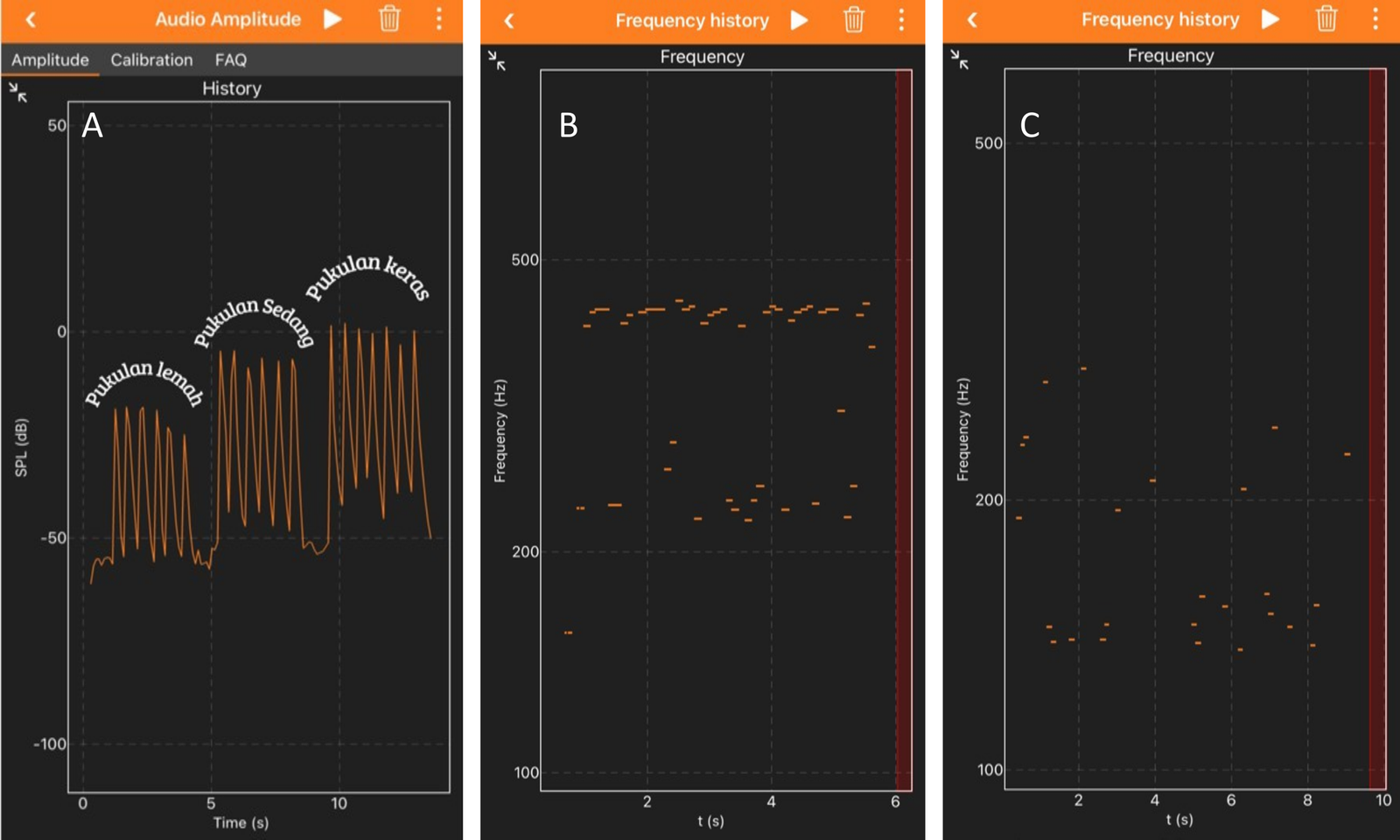
The results showed that amplitude plays a significant role in determining the intensity or loudness of the sound produced by the rebana. Measurements conducted using the Phyphox application indicated that increasing the striking force applied to the membrane resulted in a corresponding increase in sound amplitude. This finding demonstrates that amplitude is directly influenced by the amount of mechanical energy transferred to the vibrating membrane. Stronger strikes produced greater vibration displacement, resulting in louder sounds, while weaker strikes produced lower amplitude and softer sound output. This confirms that amplitude reflects the energy level of the vibration source and directly affects perceived sound intensity.
This relationship is clearly shown in Figure 3A, which presents a graphical representation of amplitude variations. The figure is characterized by waveforms with varying peak heights, where higher peaks represent greater amplitude and stronger sound intensity. The graph demonstrates how differences in vibration energy influence the vertical displacement of the sound wave, confirming the relationship between energy input and amplitude magnitude.
These findings are consistent with previous acoustic studies showing that sound intensity is influenced by vibration energy and structural characteristics of the rebana. Purwiyantini et al. (2016) reported that rebana sound intensity is determined by mechanical vibration energy and acoustic properties of the instrument structure (17).
Frequency Characteristics and Pitch Variation
The results of frequency analysis showed that frequency determines the pitch of the sound produced by the rebana. Higher frequency values resulted in higher pitch sounds, while lower frequency values produced lower pitch sounds. This finding confirms that frequency is directly related to the vibration rate of the membrane. The structural characteristics of the instrument, including diameter and membrane tension, influence vibration speed and therefore affect frequency output. Instruments with larger diameters tend to produce lower frequency sounds due to slower vibration rates, while smaller instruments produce higher frequency sounds due to faster vibration motion. This relationship is illustrated in Figure 3B, which presents a frequency waveform graph characterized by periodic wave patterns. The figure shows variations in wavelength and frequency, where shorter wavelengths correspond to higher frequencies and higher pitch sounds. In addition, Figure 3C shows the frequency characteristics of the bass hadrah instrument, which produces lower frequency sounds compared to the rebana due to its larger structural size.
These findings are consistent with previous research conducted by Purwiyantini et al. (2016), which found that rebana resonance frequencies range from 145 Hz to 1251 Hz and are influenced by instrument diameter (17). Larger diameter instruments produce lower frequencies due to slower vibration cycles.
Resonance and Its Effect on Sound Amplification
The results demonstrated that resonance plays a crucial role in strengthening sound quality and amplification in the rebana and other hadrah instruments. Resonance occurs when vibration energy is efficiently transferred between the membrane and the air inside the instrument cavity, resulting in increased sound intensity and prolonged vibration duration. This process enhances sound clarity and allows the instrument to produce stronger and more sustained sound output.
This phenomenon is illustrated in Figure 4A, which shows a darbuka instrument whose internal cavity was filled with cloth material. The figure is characterized by a goblet-shaped drum structure with internal space partially filled with damping material. The presence of cloth inside the cavity reduces air vibration and limits resonance efficiency, resulting in weaker sound amplification. This finding confirms that resonance depends on the interaction between membrane vibration and internal air movement, and any obstruction in the cavity reduces the effectiveness of sound amplification.
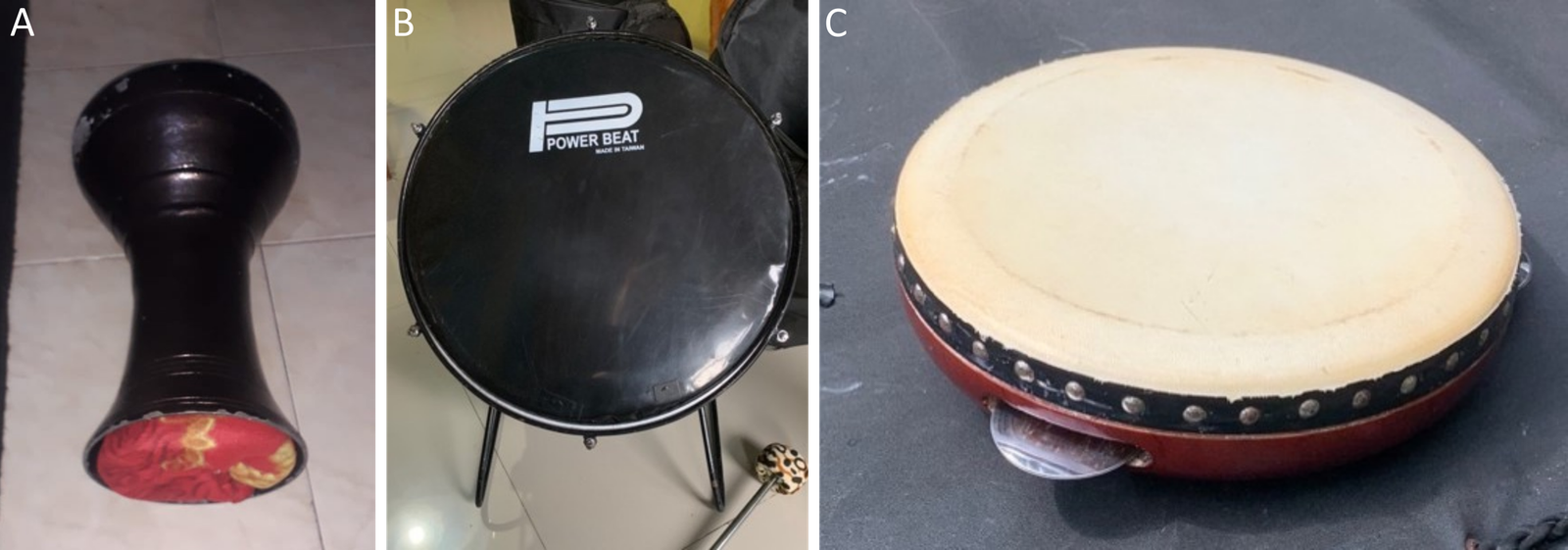
To provide a clear comparative acoustic analog demonstrating how internal cavity volume directly governs sound amplification, observations were extended to a structurally similar percussion piece. Figure 4A shows a darbuka instrument whose internal cavity was filled with cloth material. A darbuka was selected for this specific demonstration because its deep, goblet-shaped design provides an exaggerated view of internal cavity changes. The presence of cloth inside the cavity reduces air vibration and limits resonance efficiency, resulting in weaker sound amplification. This comparative analog confirms that resonance depends entirely on the unobstructed interaction between membrane vibration and internal air movement.
Timbre and Structural Influence on Sound Characteristics
The results also showed that timbre, or sound color, differs among hadrah instruments due to differences in structural properties and vibration behavior. Timbre is influenced by factors such as membrane thickness, instrument size, material composition, and playing technique. Each instrument produces a distinct sound character even when producing sound at similar amplitude and frequency levels. These differences occur because structural variations influence vibration patterns and harmonic composition of the sound waves. This variation is visually represented in Figures 4B and 4C, which show the bass and rebana instruments.
The bass instrument is characterized by a larger membrane surface, which produces lower frequency and deeper tones, while the rebana has a smaller membrane and produces higher frequency sounds. These acoustic differences are closely related to variations in instrument structure, including membrane diameter, membrane tension, and the size of the resonance cavity. Larger instruments tend to produce lower frequencies and stronger resonance, whereas smaller rebana instruments generate higher frequency sounds. As a result, different types of rebana produce distinct sound wave patterns during musical performance. This structural difference explains the variation in sound characteristics and confirms that instrument structure influences sound wave properties. It is important to acknowledge that this study intentionally employs a descriptive and qualitative ethnophysics framework to extract conceptual physics principles, rather than providing an exhaustive quantitative acoustic profile. The lack of extensive, newly generated statistical metrics across a wide array of instrument iterations represents a clear scope limitation. Future research should pursue dedicated quantitative engineering trials to supplement these pedagogical observations; however, the current qualitative and benchmarked data remain highly sufficient for establishing the rebana's conceptual validity as an instructional resource.
The rebana instrument consists of a circular wooden frame covered by a stretched membrane that functions as the primary vibrating component. When the membrane is struck by the player’s hand, it vibrates and produces sound waves that propagate through the surrounding air. Variations in striking position, such as the center or edge of the membrane, produce different tonal characteristics commonly recognized in rebana performance. These variations contribute not only to the acoustic behavior of the instrument but also to the rhythmic patterns that form the artistic structure of hadrah musical performances. Beyond its physical acoustic properties, these structural characteristics also contribute to the artistic identity of the rebana in traditional hadrah performances, where variations in tone, rhythm, and intensity create distinctive musical aesthetics.
Potential of Rebana as a Science Learning Resource
The results also revealed that the rebana has significant potential as a contextual science learning resource. In addition to its role in science learning, the rebana also represents a form of traditional musical art that integrates rhythm, performance, and cultural expression. This interdisciplinary perspective demonstrates how artistic cultural practices can serve as meaningful contexts for understanding scientific concepts. Interviews with science teachers indicated that sound wave concepts are typically taught using theoretical explanations and textbook images without direct demonstration. This approach limits students’ ability to understand sound wave phenomena because the concepts are abstract and cannot be directly observed. The rebana provides a concrete example of sound wave generation, allowing students to directly observe vibration, hear sound variations, and understand the relationship between vibration and sound production. This direct observation helps students connect theoretical physics concepts with real-world phenomena, improving conceptual understanding and learning effectiveness, particularly when physics learning integrates cultural contexts and traditional musical instruments as instructional media.
These findings are consistent with previous acoustic research showing that rebana instruments can be used to demonstrate sound wave concepts such as frequency, amplitude, and resonance in educational settings. Purwiyantini et al. (2016) confirmed that rebana instruments have measurable acoustic properties suitable for physics learning applications (17).
The acoustic characteristics of the rebana also contribute to its important role in social and religious cultural activities within the community. The rhythmic sound patterns generated by the rebana help create a collective musical atmosphere during hadrah performances and religious gatherings. The resonance and sound intensity produced by the instrument allow the rhythm to be clearly perceived by participants, supporting synchronization among performers and strengthening collective participation. Therefore, the physical properties of sound waves generated by the rebana not only demonstrate acoustic phenomena but also support the cultural and social functions of the instrument in community traditions.
Conclusion
The rebana produces sound through membrane vibration that generates longitudinal waves characterized by amplitude, frequency, timbre, and resonance. Acoustic observations and Phyphox measurements confirmed that striking energy, structural size, and cavity conditions directly influence sound intensity, pitch, and amplification. Therefore, the rebana represents a valid local wisdom–based science learning resource capable of concretely demonstrating sound wave concepts and improving contextual physics learning. In conclusion, the rebana serves as a viable local wisdom–based resource capable of concretely illustrating abstract sound wave properties. Practically, teachers can implement this instrument in modern physics classrooms to replace static textbook diagrams with real-time tactile and acoustic demonstrations. Because direct student learning outcomes were not empirically measured in this study, future research should focus on quantitative quasi-experimental designs to measure the actual gains in student conceptual understanding and engagement when this ethnoscience resource is formally integrated into the curriculum.
Declarations
Conflict of Interest
The authors declare no conflicting interest.
Data Availability
Data supporting the findings of this study are available from the corresponding author upon reasonable request.
Ethics Statement
Ethical approval was not required for this study.
Funding Information
The author(s) declare that no financial support was received for the research, authorship, and/or publication of this article.
References
- Sarah AR, Astriani D. Improving students’ science literacy competencies on earth and its satellites through structured inquiry learning. Pensa E-Jur.: Pendidik. Sains. 2024;12(1):32-37. doi: https://doi.org/10.26740/pensa.v12i1.61159
- Amelia O, Sundari PD, Mufit F, Dewi WS. Analisis Kebutuhan Pengembangan E-Modul dengan Pendekatan Contextual Teaching and Learning Untuk Meningkatkan Pemahaman Konsep Pada Materi Energi Terbarukan. Jipp. 2024;9(1):34-39. doi: https://doi.org/10.29303/jipp.v9i1.1849
- Silaban YFH, Jumadi J. Concept understanding profile of high school students on doppler effect and sound intensity levels. Momentum: Physics Education Journal. 2022:51-58. doi: https://doi.org/10.21067/mpej.v6i1.5664
- Purwanti PF, Jufriadi A, Ayu HD, Muhibudi MI. Pemanfaatan Model Problem Based Learning dalam Upaya Melatih Penguasaan Konsep dan Keaktifan Siswa Materi Gelombang Bunyi dan Cahaya. Jpbpp. 2023;3(7):578-596. doi: https://doi.org/10.17977/um065v3i72023p578-596
- Tania, Bangun AA, Sinuraya OP, Sitorus SA, Fitri S. Literature Study: Students' Misconceptions on Sound Waves. Jurnal Penelitian Pendidikan. 2025;42(2):464-470. doi: https://doi.org/10.15294/jpp.v42i2.36722
- Hermanto IM, Nurhayati, Tahir I, Yunus M. Penerapan model guided context-and problem-based learning untuk meningkatkan pemahaman konsep pada materi gelombang bunyi. Jpf. 2023;11(1):151-162. doi: https://doi.org/10.24252/jpf.v11i1.36233
- Abdullah R. Pembelajaran berbasis pemanfaatan sumber belajar. Jid. 2012;12(2). doi: https://doi.org/10.22373/jid.v12i2.449
- Supriadi S. Pemanfaatan sumber belajar dalam proses pembelajaran. Lj. 2017;3(2):127. doi: https://doi.org/10.22373/lj.v3i2.1654
- Satino, Hermina Manihuruk, Marina Ery Setiawati, Surahmad. Melestarikan Nilai-nilai Kearifan Lokal Sebagai Wujud Bela Negara. ikraith-humaniora. 2024;8(1):248-266. doi: https://doi.org/10.37817/ikraith-humaniora.v8i1.3512
- Syam MNR, Bektiarso S, Prihandono T. Implementasi pembelajaran ipa berbasis kearifan lokal dalam menumbuhkan nilai karakter profil pelajar pancasila. Eduproxima. 2024;6(2):411-418. doi: https://doi.org/10.29100/.v6i2.5084
- Hermanto IM, Nurhayati, Tahir I, Yunus M. Penerapan model guided context-and problem-based learning untuk meningkatkan pemahaman konsep pada materi gelombang bunyi. Jpf. 2023;11(1):151-162. doi: https://doi.org/10.24252/jpf.v11i1.36233
- Sinaga SS, Sinaga FSS. Rebana dan Trunthung: Pertautan Musikologis Interkultural. Preprint. 2018. doi: https://doi.org/10.31227/osf.io/jxuzb
- Bektiarso S, Ketut Mahardika I, Fikri M, Mayzy Az-zahra Putri I, Fatimah U, Najah S, et al. Analisis Konsep Fisika Pada Alat Musik Rebana. Jurnal Ilmiah Wahana Pendidikan, Januari. 2023(2):569–74. doi:10.5281/zenodo.7584364
- Nurhidayati A, Lesmono AD, Nuraini L. Analisis frekuensi bunyi dan cepat rambat gelombang bunyi pada alat musik tradisional angklung. Jpf. 2022;11(3):85. doi: https://doi.org/10.19184/jpf.v11i3.32325
- Asbanu DESI. Etnofisika: analisis konsep fisika pada gerak tarian okomama suku amanuban. Orb. J. Pend. Ilm. Fis. 2023;9(1):162. doi: https://doi.org/10.31764/orbita.v9i1.13835
- Rahmania UG, Handayani RD, Maryani. Analisis Bunyi pada Budaya Gedogan Masyarakat Osing Banyuwangi. Jipfri. 2023;7(2):63-71. doi: https://doi.org/10.30599/jipfri.v7i2.920
- Purwiyantini Y, Aji MP, Sulhadi S. Analisis akustik alat musik rebana. Prosiding Seminar Nasional Fisika (E-Journal) Snf2016 Unj. 2016:SNF2016-CIP-67-SNF2016-CIP-72. doi: https://doi.org/10.21009/0305020114
- Naba SD, Kuswanto H, Kurniawan A, Adrianto N. Exploring of physics concepts of “sound waves” in the moronene tribe's tamburu musical instrument as a physics learning material. science. 2024;4(4):519-527. doi: https://doi.org/10.51878/science.v4i4.3773
- Datiatur Rahmat A, Kuswanto H, Wilujeng I. Using Sundanese Musical Instrument and Audacity Software to Learn About Sound Waves. Kss. 2024. doi: https://doi.org/10.18502/kss.v9i13.15934
- Wahyuni T, Purwasih D, Syaukani MH, Jumadi. Scientific Approach based E-Module on Vibration, Waves, and Sound Using Canva Design. j.of education technology. 2022;6(3):410-422. doi: https://doi.org/10.23887/jet.v6i3.36133