REVIEW
A Comprehensive Review of The Phytochemical, Pharmacological and Safety Profile of Lophira lanceolata
Sciences of Phytochemistry|Vol. 5, Issue 2, pp. 298-0 (2026)
CC BY 4.0-2026 Authors

Received
Jun 22, 2026Revised
Jul 17, 2026Accepted
Aug 24, 2026Published
Sep 21, 2026
Abstract
Lophira lanceolata Van Tiegh. Ex Keay is an indigenous plant of the African transitional rainforests and savannas, widely used in regional traditional medicine. Current pharmacological data on this species are scattered across various disease models and extraction methodologies. This review consolidates the ethnomedicinal, phytochemical, and pharmacological literature on L. lanceolata to identify concrete targets for clinical translation.A multi-database search covering PubMed, Scopus, and Google Scholar was conducted to retrieve peer-reviewed studies on L. lanceolata, published from database inception to June 2026, yielding 26 eligible primary studies spanning ethnobotanical surveys, phytochemical analyses, and in vitro/in vivo pharmacological and toxicological assays. Ethnomedicinal records indicate that L. lanceolata is widely employed for malaria, gastrointestinal disorders, dental pain, and dermatological conditions. Phytochemical profiling has identified multiple bioactive classes, including flavonoids, saponins, and unique biflavonoids such as lophirones A-F and lanceolins. In vivo and in vitro models confirm antimalarial, antioxidant, hepatoprotective, anthelmintic, and antimicrobial activity. The plant also shows stage-specific gametocytocidal activity against Plasmodium parasites. Toxicological assessments indicate a wide safety margin for aqueous and methanolic extracts (LD₅₀ > 5000 mg/kg), with minimal sub-acute toxicity at standard therapeutic doses. Clinical translation is constrained by the lack of standardized extraction protocols, pharmacokinetic data, and human clinical trials. Future work requires robust compound quantification and well-designed human studies to validate preclinical findings.
Introduction
Natural products have long supplied the essential chemical scaffolds underlying many clinical drugs, including agents used in oncology and infectious disease treatment because plants produce structurally diverse secondary metabolites that interact directly with human biological systems (1-3). This chemical diversity makes underexplored regional flora, including that of West and Central Africa, a renewable source of pharmacological leads, a point most visibly illustrated by plant-driven antimalarials such as artemisinin, which remains central to first-line combination therapy for malaria. Growing antimicrobial resistance and the burden of chronic disease have added urgency to screening species that remain pharmacologically uncharacterized (4, 5).
Recent technological advances, including improved analytical tools, genome mining, and engineering strategies, have renewed interest in natural products as a source of new drug leads, particularly for tackling antimicrobial resistance and infectious disease (6). Plant-derived agents remain clinically important in this regard: antimalarial pharmacotherapy is one of the clearest examples, with quinine- and artemisinin-derived compounds continuing to anchor first-line malaria treatment worldwide (7). This precedent underscores the translational potential of screening underexplored medicinal flora such as Lophira lanceolata for comparable lead compounds.
Despite Africa's rich botanical biodiversity, many indigenous medicinal species appear in scientific literature only through fragmented studies. Many African communities rely exclusively on indigenous plant species for primary healthcare (8), yet many of these plants remain scientifically under-characterized from mainstream drug discovery (9).
L. lanceolata Van Tiegh. Ex Keay is an endemic West and Central African species with broad traditional applications that have prompted recent phytochemical and biological screening (10, 11). Experimental studies have tested many of these claims demonstrating antimalarial, hepatoprotective, and other pharmacological activities (12–15). Chemical profiling has identified high concentrations of distinctive biflavonoids that appear to account for much of this activity (16–18).
Existing data on L. lanceolata are fragmented, with inconsistent extraction protocols, plant parts, and diverse experimental models making direct comparisons difficult. These disparities make it hard to establish standardized therapeutic baselines or identify clear drug development pathways.
Consolidating this fragmented literature is necessary to identify patterns not visible to isolated studies, avoid redundant research, and prioritize realistic clinical targets. This review synthesizes current knowledge on L. lanceolata, assesses the evidence base, and outlines what is needed to move from preclinical observations to human trials.
Methodology
Multi-database search strategy was employed to retrieve relevant studies from widely recognized scientific repositories, including PubMed, Scopus, Web of Science, and Google Scholar, to retrieve studies from database inception to June, 2026. Search strings combined controlled vocabulary terms with free-text synonyms using Boolean operators across each repository to optimize precision. Key search terms included “L. lanceolata,” “ethnomedicinal uses,” “phytochemical composition,” “proximate analysis,” and “pharmacological activities,” along with their synonyms and related expressions. Records retrieved from each database were pooled and screened in two stages. Titles and abstracts were first screened to exclude clearly irrelevant records, unrelated Lophira species, and non-peer-reviewed sources (e.g., conference abstracts, theses, and grey literature without full-text availability). Full texts of the remaining records were then assessed in detail against the inclusion criteria. Studies were included if they reported experimental findings (in vitro or in vivo), ethnobotanical surveys, phytochemical analyses, or nutritional/proximate evaluations specifically related to L. lanceolata.
Studies were excluded if they were non-peer-reviewed, lacked methodological clarity (e.g., unreported extract concentrations, doses, or statistical analysis), or focused on unrelated species within the genus without clear reference to L. lanceolata; where multiple publications reported overlapping data from the same research group, the most complete and recent report was retained. To reduce the risk of drawing on predatory or non-vetted outlets, every retrieved article was additionally cross-checked for indexing in at least one of Scopus, Web of Science, PubMed, or the Directory of Open Access Journals (DOAJ). Articles published exclusively in journals not indexed in any of these sources were excluded from the review.
A basic quality appraisal was applied to each eligible study, considering the clarity of extraction methodology, use of appropriate controls and reference standards, sample size, and statistical reporting; studies with major methodological ambiguity were excluded at the full-text screening stage. This process yielded 26 primary studies specific to L. lanceolata, which form the evidentiary basis of this review, supplemented by background literature on natural product drug discovery and antimicrobial resistance. Extracted data were categorized into distinct ethnomedicinal, phytochemical, pharmacological, and toxicological domains for structured analysis.
Botanical Description and Taxonomy
L. lanceolata Van Tiegh. Ex Keay is classified as follows:
- Kingdom: Plantae
- Phylum: Streptophyta
- Class: Equisetopsida
- Subclass: Magnoliidae
- Order: Malpighiales
- Family: Ochnaceae
- Genus: Lophira
- Species: Lophira lanceolata
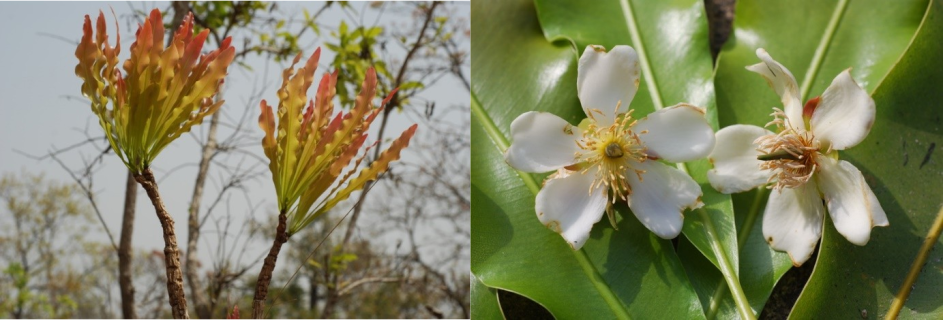
Morphologically, L. lanceolata is a prominent tree often found in the savannah and transitional rainforest zones of West and Central Africa, commonly referred to as the false shea tree or meni oil tree (19). Its leaves, bark, and seeds are used by indigenous populations for nutritional and therapeutic purposes (10). The seeds are encased in shells and can be processed to yield an oil rich in polyunsaturated fatty acids, with potential for both edible use and industrial application (20, 21). Figure 1 shows the L. lanceolata new leaf and flower (22).
Because of overlapping common names and habitat, L. lanceolata is frequently confused in the field with the true shea butter tree, Vitellaria paradoxa C. F. Gaertn. (family Sapotaceae), particularly when the trees are not in flower. The two species are readily distinguished on closer examination: L. lanceolata belongs to the unrelated family Ochnaceae, has lance-shaped, leathery leaves that do not exude latex when damaged, and bears small winged fruits, whereas V. paradoxa has broader, latex-exuding leaves, thick and deeply fissured corky bark, and produces a fleshy, butter-rich drupe containing a single large oil seed. These morphological and taxonomic distinctions are essential for accurate field identification and for avoiding misattribution of pharmacological findings between the two species (19).
Ethnomedicinal Uses
Indigenous populations across West and Central Africa use specific parts of L. lanceolata to treat a range of conditions. These documented applications provide a basis for pharmacological and toxicological screening. The documented ethnomedicinal applications span several therapeutic categories. Across West and Central African communities, the species has been used for infectious diseases, gastrointestinal issues, inflammation, and general vitality. The leaves are frequently cited for the treatment of malaria, jaundice, dysentery, and diarrhoea, particularly in children. Traditional healers also use leaf decoctions for pain caused by intestinal worms (10). The roots and stem bark are equally valued. The bark is widely used as an aphrodisiac and for treating haemorrhoids, hepatitis, hypertension, toothaches, and wounds (10, 17). Root preparations are applied to manage abscesses, muscle aches, epilepsy, snake bites, and infertility (10). The seed oil is applied externally to treat dermatosis and muscular tiredness, functioning both as a therapeutic agent and skin moisturizer (21). Ethnoveterinary applications include the use of L. lanceolata extracts in poultry farming to control arthropod ectoparasites (23). A consolidated summary of these traditional uses is presented in Table 1.
| Traditional Use (s) | Plant Part (s) | Preparation / Route | Reference |
|---|---|---|---|
| Malaria, jaundice | Leaves | Infusion | (10) |
| Dysentery, diarrhoea, intestinal worms | Leaves | Decoction (fresh or dried) | (10, 24) |
| Haemorrhoids, hepatitis, hypertension | Bark | Decoction | (10) |
| Aphrodisiac, sexually transmitted infections | Bark | Decoction | (10) |
| Toothache, cough, chronic wounds | Bark/Wood | Oral / Topical | (10, 17) |
| Abscesses, muscle aches, snake bites | Roots | Traditional oral/topical preparations | (10) |
| Dermatosis, skin dryness, muscular tiredness | Seed Oil | Topical rubbing | (21) |
| Polyherbal child treatments (malaria, wounds) | Stem bark/Leaves | Aqueous polyherbal extraction (Daouri) | (25) |
| Poultry ectoparasite control | Whole plant/Leaves | Ethnoveterinary recipes | (23) |
Phytochemical Composition
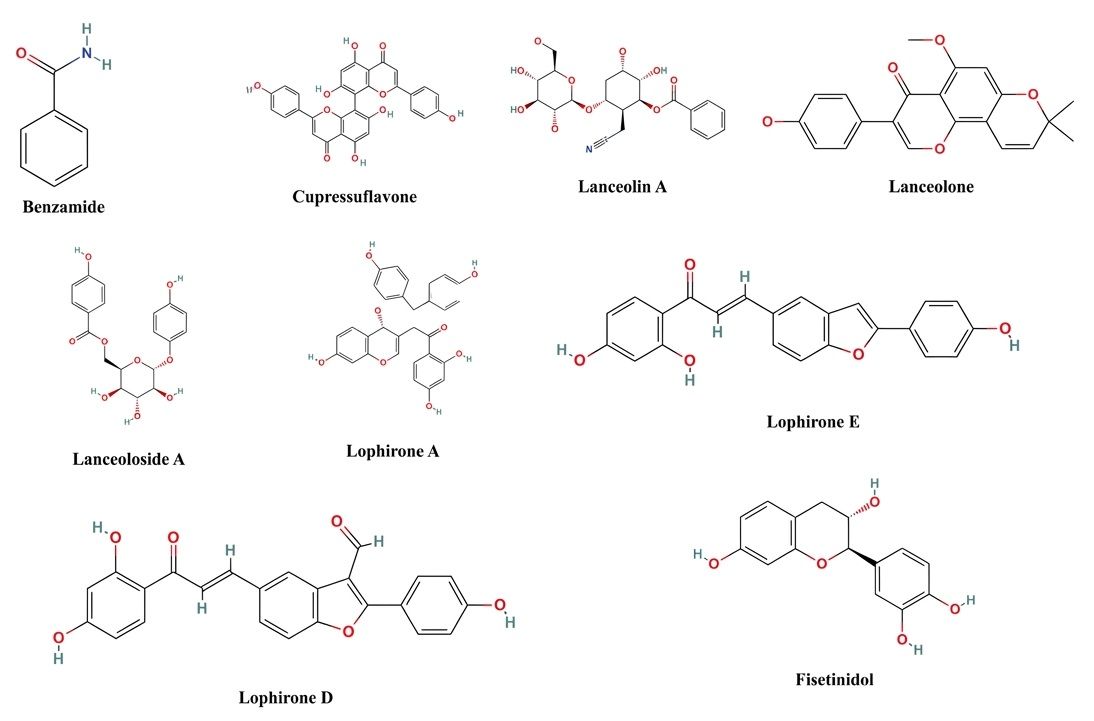
The pharmacological activity of L. lanceolata is closely tied to its secondary metabolite profile, which is dominated by structurally unusual flavonoids. Figure 2 shows the main flavonoid compounds found in L. lanceolata. Phytochemical screening reveals the presence of flavonoids, tannins, saponins, triterpenoids, alkaloids, carbohydrates, and fixed oils in L. lanceolata extracts (see Table 2). These classes have been detected across aqueous, methanolic, ethanolic, and fractionated preparations, suggesting a stable phytochemical profile (26, 27).
| Phytochemical Class | Reported in Extracts/Fractions | Possible Relevance | Reference |
|---|---|---|---|
| Flavonoids / Biflavonoids | Methanol, ethanol, aqueous, fractions | Antioxidant, antiplasmodial, anti-inflammatory | (16, 26, 28) |
| Tannins | Aqueous, ethanol, methanol | Astringent, antimicrobial, anthelmintic | (27, 29) |
| Saponins | Aqueous, ethanol, methanol | Membrane activity, anthelmintic | (26, 27) |
| Alkaloids | Aqueous, ethanol (mixed reports) | Antimicrobial potential | (29, 30) |
| Triterpenoids / Sterols | Hexane, ethanol, seed oils | Cellular protection, nutritional value | (21, 30) |
| Fatty Acids / Fixed Oils | Hexane (seed extracts) | Nutritional value, cosmetic application | (21, 31) |
| Anthraquinones / Anthocyanins | Ethanol, aqueous | Laxative, redox-active potential | (26, 32) |
High flavonoid and polyphenolic content in the extracts is consistent with the plant's documented antioxidant capacity (28, 33), with ethyl acetate fractions showing the highest total phenolic and flavonoid content. The seed oil, which contains up to 52.46% polyunsaturated fatty acids along with alpha-tocopherols and phytosterols, has potential for food and industrial use (19, 21).
Repeated phytochemical analyses have isolated distinctive biflavonoids and complex phenolic structures from L. lanceolata (Table 3). These include lophirones A through F, characterized by unusual carbon skeletons with aryl shifts and cleaved structures (16, 17, 34), as well as novel benzoylglucosides (lanceoloside A), prenylated isoflavones (lanceolone), and gametocytocidal bichalcones (lanceolins) (18, 35). This unusual metabolite profile makes L. lanceolata of interest for lead compound development.
| Compound/Group | Analytical Method | Source Extract/Fraction | Reference |
|---|---|---|---|
| Lophirone A | NMR, MS | Acetone stem bark extract | (16) |
| Lophirones B and C | 1D/2D NMR, CIMS | Acetone stem bark extract | (34) |
| Lophirones D and E | 1H-NMR, 13C-NMR, MS | Acetone/EtOAc stem bark extract | (17) |
| Lanceoloside A | HREIMS, NMR | Methanol leaf extract | (18) |
| Lanceolone | HREIMS, NMR | Methanol leaf extract | (18) |
| Cupressuflavone | UV, IR, MS, NMR | Acetone leaf extract | (24) |
| Fisetinidol | NMR, FT-IR | Ethanol stem extract | (36) |
| Lanceolins A and B | NMR, HRMS, ECD | Methanol/EtOAc stem bark extract | (35) |
| Glucolophirone C | NMR, HRMS, ECD | Methanol/EtOAc stem bark extract | (35) |
| Benzamide | Chemical extraction | Ethanol/Chloroform root bark | (29) |
Pharmacological Activities
Preclinical evaluations confirm that L. lanceolata extracts have pharmacological effects across multiple disease models, as summarized in Table 4.
| Activity | Experimental Model | Key Findings | Reference |
|---|---|---|---|
| Antimalarial (In vivo) | P. berghei infected mice | Dose-dependent parasitaemia suppression up to 100% | (13, 15) |
| Anti-plasmodial (In vitro) | P. falciparum 3D7 and Dd2 | Significant inhibition of sensitive and resistant strains | (32) |
| Gametocytocidal | Plasmodium gametocyte cultures | Lophirone E identified as a potent, stage-specific gametocytocidal agent | (37) |
| Sporogonic Inhibition | P. berghei ookinete development | Lanceolin B potently inhibited early sporogonic stages | (35) |
| Antioxidant | DPPH, FRAP, H₂O₂, TAC | Strong radical scavenging, superior to some standards | (15, 28, 32, 38) |
| Anti-inflammatory | Carrageenan/formalin-induced inflammation | Reduced inflammatory response in aqueous/ethanolic leaf extracts | (39) |
| Cardiovascular (Hypotensive) | Anaesthetized cats | Reduced arterial blood pressure and heart rate | (40) |
| Hepatoprotective | Cisplatin and Paracetamol toxicity | Reduced AST, ALT, ALP, bilirubin; histological repair | (12, 14) |
| Renoprotective | Cisplatin toxicity in rats | Reduced serum urea and creatinine; tissue protection | (14) |
| Testicular Protection | Cisplatin-induced testicular damage | Ameliorated sperm abnormalities, restored motility, and weight | (14) |
| Antimicrobial | Gram-positive bacteria, C. albicans | Inhibited microbial growth; Fisetinidol showed efflux pump inhibition | (36, 41) |
| Antitubercular | M. tuberculosis resistant strains | Dihydrolophirone A and stigmasterol inhibited bacterial growth | (42) |
| Anthelmintic | Onchocerca ochengi, Heligmosomoides polygyrus, Caenorhabditis elegans | Potent ovicidal and larvicidal activity; effective on resistant strains | (27, 30) |
| Antidiabetic | α-amylase inhibition | Extracts showed notable α-amylase inhibition and glucose adsorption | (43) |
Antimalarial and Anti-Plasmodial Effects
Antiplasmodial and antioxidant activities are together the most extensively documented pharmacological properties of L. lanceolata reflecting both the plant’s traditional use against malaria and the redox-active nature of its flavonoid-rich extracts. In vivo studies using Plasmodium berghei-infected rodents show that methanolic and ethanolic leaf extracts produce dose-dependent suppressive and curative effects on parasitaemia, achieving up to 100% suppression at optimal doses and frequently matching or outperforming chloroquine controls (13, 15). In vitro evaluations confirm potent activity against both chloroquine-sensitive (3D7) and multiresistant (Dd2) strains of P. falciparum (32).
Fractionation studies have isolated specific
compounds with stage-selective activity. Bioassay-guided fractionation identified
the bichalcone lophirone E as a potent gametocytocidal agent, approximately 100
times more active against stage V gametocytes than asexual blood stages,
thereby blocking transmission (37). Lanceolin B was
separately found to inhibit the early sporogonic stages of the parasite (35). The presence of compounds
acting on both gametocyte and sporogonic stages is notable for antimalarial
drug development.
Antioxidant and Cytoprotective Effects
In vitro profiling of L. lanceolata reveals high free-radical scavenging capacity across DPPH, FRAP, and phosphomolybdate assays, with extracts frequently matching or exceeding the performance of reference antioxidants such as ascorbic acid (15, 28, 32, 38). In vivo, administration of the extract to mice under malarial oxidative stress significantly increased hepatic catalase and superoxide dismutase activity while reducing malondialdehyde levels (13).
Anti-inflammatory and Cardiovascular Effects
Aqueous and ethanolic leaf extracts reduce carrageenan- and formalin-induced inflammatory responses in rodent models, supporting the traditional use of the plant for inflammatory conditions such as haemorrhoids and wounds (39). Separately, leaf extracts and fractions administered to anaesthetized cats produced measurable reductions in arterial blood pressure and heart rate, consistent with the ethnomedicinal use of the bark to manage hypertension (Table 1) (40). These findings, while preliminary, broaden the pharmacological profile of L. lanceolata beyond its antiplasmodial and antioxidant activities and merit dedicated dose–response and mechanistic follow-up.
Hepatoprotective and Renoprotective Activity
Using aqueous stem bark extracts prepared by cold maceration and administered at doses within the 500–5000 mg/kg range established for acute toxicity screening in the same study, (12) reported significantly lower AST, ALT, ALP, and bilirubin levels in a paracetamol-induced hepatotoxicity model, indicating reduced cellular injury. In a separate cisplatin-induced hepatorenal toxicity model, an aqueous leaf extract given orally at 200 and 400 mg/kg for 26 days prevented dyslipidaemia, lowered serum urea and creatinine, and attenuated degenerative histological changes in hepatic and renal tissues (14).
Antimicrobial and Antitubercular Activity
Antimicrobial screening shows selective efficacy: crude extracts inhibit Gram-positive strains and C. albicans but show minimal activity against Gram-negative pathogens (41). Isolated dihydrolophirone A shows substantial activity against resistant strains of M. tuberculosis (42). The flavonoid fisetinidol lacks intrinsic antibacterial activity but acts synergistically with norfloxacin by competitively inhibiting the NorA efflux pump in multidrug-resistant Staphylococcus aureus (36).
Anthelmintic and Antiparasitic Effects
In vitro assays support the ethnoveterinary use of the plant as an anthelmintic. Leaf and bark extracts show pronounced lethality against the cattle parasite O. ochengi and killed drug-resistant strains of the nematode C. elegans, suggesting a mechanism of action distinct from standard drugs like ivermectin (27). High-throughput studies confirmed ovicidal and larvicidal activity against H. polygyrus (30).
Reproductive and Endocrine Effects
Chemotherapy frequently induces male infertility via oxidative testicular damage. In an animal model of cisplatin-induced reproductive toxicity, co-administration of L. lanceolata leaf extract prevented the characteristic decline in reproductive organ weight, restored sperm motility and concentration, and normalized seminiferous tubule histology (14). These results provide an empirical basis for traditional aphrodisiac applications.
Metabolic and Antidiabetic Effects
Root extracts have demonstrated high in vitro inhibition of the α-amylase enzyme, coupled with glucose absorption capacity, indicating a mechanism that may reduce postprandial hyperglycaemic spikes (33). Complementary enzyme-inhibitory data from methanolic extracts of the species corroborate this antidiabetic potential (38). Aqueous leaf extracts have also shown antihyperglycaemic activity when combined with extracts of other regional plant species (44), although that finding requires confirmation with L. lanceolata administered alone before it can be attributed to this species specifically.
Critical Appraisal of the Evidence Base
Although the pharmacological evidence for L. lanceolata is broad, its quality remains uneven. Most reported activities derive from crude or partially fractionated extracts tested in a limited number of animal models (frequently Swiss albino mice or Wistar rats) with modest sample sizes, and few of the primary studies specify blinding, randomization, or a priori sample-size calculations. Extraction solvents, plant parts, and dosing regimens vary considerably between studies, which limits direct comparison of potency across the antimalarial, antioxidant, and hepatoprotective datasets; for example, reported antiplasmodial suppression ranges from moderate to complete parasitaemia clearance depending on extract type and dose (13, 15, 32), and antioxidant potency comparisons against reference standards such as ascorbic acid are not consistently benchmarked using the same assay across studies (15, 27, 32). Isolated compound-level findings (e.g., lophirone E, lanceolin B, dihydrolophirone A) are more mechanistically informative but originate largely from single research groups, and independent replication is lacking (35, 37, 42). These gaps do not undermine the overall signal of biological activity but do constrain confidence in specific potency estimates and reinforce the need for standardized, adequately powered studies before therapeutic claims can be considered robust.
Toxicological Evaluation
Current toxicological data establishes a substantial safety margin for L. lanceolata extracts. In acute oral toxicity studies, methanolic, ethanolic, and aqueous extracts administered to mice and rats produced no mortality or overt behavioural signs of toxicity at doses of 5000 mg/kg (12, 15, 27). These results suggest that crude extracts are relatively non-toxic upon acute exposure.
Repeated exposure trials are consistent with these findings. In a 28-day oral administration study of a polyherbal formulation (Daouri) primarily containing L. lanceolata, doses up to 1200 mg/kg did not significantly alter body weight or produce toxicological shifts in alanine transaminase, urea, or creatinine. Histological evaluation of the liver showed no macroscopic abnormalities, supporting the safety profile of the plant in prolonged paediatric traditional formulations (25). Cytotoxicity assays on mammalian macrophage cell lines and human red blood cells showed negligible haemolytic or cytotoxic effects (32, 37).
| Extract/Fraction | Study Type | Dose/LD₅₀ | Key Findings | Reference |
|---|---|---|---|---|
| Methanol leaf extract | Acute oral toxicity | LD₅₀ > 5000 mg/kg | Safe; no mortality or overt toxicity | (15) |
| Aqueous stem bark | Acute oral toxicity | No deaths at 5000 mg/kg | No dullness, anorexia, or morbidity | (12) |
| Ethanol/Methanol bark | Acute oral toxicity | No deaths at 5000 mg/kg | Extracts considered relatively safe | (27) |
| Polyherbal (Daouri) aq. | 28-day sub-acute | 300 - 1200 mg/kg | No hepatic/renal toxicity; normal histology | (25) |
| Methanol/Aqueous | In vitro cytotoxicity | Various concentrations | No RBC haemolysis; negligible RAW cell toxicity | (32) |
| Lophirone E (Biflavonoid) | In vitro cytotoxicity | Nanomolar range | High selectivity index (570); low mammalian toxicity | (37) |
Research Gaps and Future Perspectives
Despite the broad pharmacological activity described for L. lanceolata, the lack of extract standardization is a major barrier to clinical development, with most studies describing only aqueous or ethanolic preparations without chemical fingerprinting, marker compound quantification or batch reproducibility data.
Mechanistic data are mostly limited to biomarker changes, and molecular pathway mapping is not detailed for most isolated compounds. ADME data covering absorption, oral bioavailability, plasma half-life, and metabolic transformation has not been reported. Promising preclinical findings and extensive traditional use aside, no clinical trials have established efficacy, optimal dosing, or adverse-effect profiles for L. lanceolata in humans.
A further limitation of the current evidence base is that most pharmacological findings originate from a small number of West and Central African research groups using their own in-house extraction protocols, with little independent cross-laboratory replication to date; this raises the possibility of unrecognized site- or method-specific artefacts and argues for coordinated multi-centre validation studies before any single compound or extract advances toward clinical development.
Stage-specific antimalarial activity is arguably the strongest clinical target this plant offers. Selective action on gametocytes and ookinetes is uncommon in current antimalarial pharmacology, and the fact that one plant extract combines transmission-blocking with blood-stage activity makes it worth further systematic investigation. Future studies should focus on optimizing the bioflavonoid scaffolds involved, identifying their protein targets within the parasite, and testing activity in human subjects.
Conclusion
Pharmacological and phytochemical work has validated several traditional uses of L. lanceolata, particularly its application against malaria, microbial infections, and oxidative stress. The isolation of distinctive biflavonoids with activity against multidrug-resistant bacteria and Plasmodium transmission stages suggests the plant warrants investigation as a source of lead compounds, not merely a crude herbal preparation.
These conclusions should be interpreted considering several limitations in the current evidence base. Most pharmacological data derive from crude extracts tested in small-scale, non-standardized animal models, with extraction protocols, plant parts, and dosing regimens that vary considerably between studies and limit cross-study comparability. Mechanistic and pharmacokinetic characterization of the isolated bioflavonoids remains confined to a small number of research groups, independent replication is limited, and no controlled human studies have yet been conducted. Accordingly, the preclinical findings summarized here should be regarded as hypothesis-generating rather than conclusive evidence of therapeutic efficacy.
The broad safety margins observed in preclinical toxicology support continued investigation. Moving to human studies will require standardized extraction protocols, comprehensive pharmacokinetic profiling, and well-designed clinical trials.
Declarations
Acknowledgment
During the preparation of this manuscript, the authors utilized generative AI solely during preliminary background research and exploratory literature discovery to identify potential study themes and relevant keywords. No AI tools was used for manuscript drafting, formal data analysis, or drawing review conclusions. All primary literature, data extractions, and manuscript text were independently retrieved, synthesized, and verified by the authors, who take full responsibility for the content and integrity of the published work.
Conflict of Interest
The authors declare no conflict of interest.
Data Availability
All data generated or analyzed during this study are included in this published article.
Ethics Statement
Not applicable.
Funding Information
This work received no external funding.
References
- Latif R, Nawaz T. Medicinal plants and human health: a comprehensive review of bioactive compounds, therapeutic effects, and applications. Phytochem Rev. 2025;25(3):2299-2342. doi: https://doi.org/10.1007/s11101-025-10194-7
- Salmerón-Manzano E, Garrido-Cardenas JA, Manzano-Agugliaro F. Worldwide Research Trends on Medicinal Plants. Ijerph. 2020;17(10):3376. doi: https://doi.org/10.3390/ijerph17103376
- Ramawat KG, Mèrillon JM. An Introduction to Specialized Metabolites from Plants, Their Biological and Ecological Roles, and Biotechnological Interventions to Improve the Production. Cham: Springer Nature Switzerland; 2023. doi: https://doi.org/10.1007/978-3-031-30037-0_52-1
- Alum EU, Nwali BU, Akwari AA, Emeruwa AP, Obasi DC, Okoroh PN, et al. Exploring Novel Phytochemicals as Strategies in the Fight Against Antimicrobial Resistance. Natural Product Communications. 2026;21(2). doi: https://doi.org/10.1177/1934578x261425478
- El-Saadony MT, Saad AM, Mohammed DM, Korma SA, Alshahrani MY, Ahmed AE, et al. Medicinal plants: bioactive compounds, biological activities, combating multidrug-resistant microorganisms, and human health benefits - a comprehensive review. Front. Immunol. 2025;16. doi: https://doi.org/10.3389/fimmu.2025.1491777
- Atanasov AG, Zotchev SB, Dirsch VM, Orhan IE, Banach M, Rollinger JM, et al. Natural products in drug discovery: advances and opportunities. Nat Rev Drug Discov. 2021;20(3):200-216. doi: https://doi.org/10.1038/s41573-020-00114-z
- Silva G, Rezende L, Emery F, Gosmann G, Gnoatto S. Natural and Semi synthetic Antimalarial Compounds: Emphasis on the Terpene Class. Mrmc. 2015;15(10):809-836. doi: https://doi.org/10.2174/1389557515666150101101519
- World Health Organization. The use of herbal medicines in Primary Health Care [Internet]. New Delhi: WHO Regional Office for South-East Asia; 2009.
- Ladha HK, Terefe EM. Ethnomedical Survey of Plants Used in Westlands Subcounty, Nairobi, Kenya. Natural Product Communications. 2025;20(6):1-14. doi: https://doi.org/10.1177/1934578x251353559
- Dicko A, Biaou HSS, Natta AK, Gouwakinnou G. Quantitative ethnobotany of <i>Lophira lanceolata</i> Tiegh. ex Keay (Ochnaceae) in Benin (West Africa). Int. J. Bio. Chem. Sci. 2017;11(3):1236. doi: https://doi.org/10.4314/ijbcs.v11i3.25
- Tiétiambou FRS, Salako KV, Tohoun JR, Ouédraogo A. Local preferences for three indigenous oil-seed plants and attitudes towards their conservation in the Kénédougou province of Burkina Faso, West-Africa. J Ethnobiology Ethnomedicine. 2020;16(1):1-16. doi: https://doi.org/10.1186/s13002-020-00393-1
- Aba PE, Ozioko IE, Udem ND, Udem SC. Some biochemical and haematological changes in rats pretreated with aqueous stem bark extract of Lophira lanceolata and intoxicated with paracetamol (acetaminophen). Journal of Complementary and Integrative Medicine. 2014;11(4):273-277. doi: https://doi.org/10.1515/jcim-2014-0007
- Azizi MA, Nadia NAC, Cedric Y, Sidiki NNA, Guy-Armand GN, Esther DD, et al. Antimalarial Efficacy and Antioxidant Activity of Lophira lanceolata Stem Bark Ethanol Extract Using Plasmodium berghei Induced-Malaria in Swiss Albino’s Mice. Journal of Parasitology Research. 2023;2023:1-8. doi: https://doi.org/10.1155/2023/9400650
- Agu ST, Ezihe CO, Itodo PF, Abu HA. Lophira lanceolata protects testicular and spermatological damages induced by cisplatin in male Wistar rats. Clin Phytosci. 2020;6(1):87-94. doi: https://doi.org/10.1186/s40816-020-00221-9
- Collins AO, Peter AA, Chukwuemeka SN, Theophine CO, Nkemakolam, Florence NM, et al. Anti-plasmodial and antioxidant activities of methanol extract of the fresh leaf of Lophira lanceolata (Ochnaceae). Afr. J. Biotechnol. 2014;13(16):1731-1738. doi: https://doi.org/10.5897/ajb2014.13707
- Ghogomu R, Sondengam B, Martin M, Bodo B. Lophirone A, A biflavonoid with unusual skeleton from Lophira lanceolata. Tetrahedron Letters. 1987;28(26):2967-2968. doi: https://doi.org/10.1016/s0040-4039(00)96256-7
- Tih RG, Sondengam BL, Martin MT, Bodo B. Lophirones D and E: Two New Cleaved Biflavonoids from Lophira lanceolata. J. Nat. Prod. 1989;52(2):284-288. doi: https://doi.org/10.1021/np50062a011
- Pegnyemb DE, Messanga BB, Ghogomu R, Sondengam BL, Martin MT, Bodo B. A New Benzoylglucoside and a New Prenylated Isoflavone from Lophira lanceolata. J. Nat. Prod. 1998;61(6):801-803. doi: https://doi.org/10.1021/np970370+
- Lohlum S. Proximate composition, amino acid profile and phytochemical screening of Lophira Lanceolata seeds. African Journal of Food, Agriculture, Nutrition and Development. 2010;10(1):2012-2023. doi: https://doi.org/10.4314/ajfand.v10i1.51476
- 20. Fariku S, Kidah M. Biomass potentials of Lophira lanceolata fruit as a renewable energy resource. Afr J Biotechnol. 2008;7(3):308-310. doi: https://doi.org/10.5897/AJB07.720
- 21. Nonviho G. Valorisation chimique de la biomasse oléagineuse d'origine béninoise: Lophira lanceolata et Carapa procera [Thèse de doctorat en cotutelle]. Université d'Abomey-Calavi, Bénin & Université de Lorraine, France; 2015. doi: https://doi.org/10.70675/4cbf2e53za908z4cb6z9bd2zf8885ca24ac2
- 22. Schmidt M, Dressler S, Faust EM, Gottschalk G, Blanck K, Veranso-Libalah MC, Zizka G. 2025 (continuously updated). African Plants – A Photo Guide. africanplants.senckenberg.de. Senckenberg Research Institute, Frankfurt/Main, Germany. doi: https://doi.org/10.12705/635.26
- Salifou S, Offoumon OTLF, Gouissi FM, Pangui LJ. Endogenous recipes for controlling arthropod ectoparasites of domestic poultry. Rev. Bras. Parasitol. Vet. 2013;22(1):119-123. doi: https://doi.org/10.1590/s1984-29612013000100022
- Sani A, Alemika T, Sule I, Ilyas M, Haruna A, Sikira A. Isolation and characterisation of cupressuflavone from the leaves of <i>Lophira lanceolata</i>. J. Pharm Bio. 2011;7(1):14-18. doi: https://doi.org/10.4314/jpb.v7i1.67748
- Edorh MS, Agbere S, Osei-Safo D, Adam Z, Agbonon A, Karou DS, et al. Toxicological screening of Daouri, a polyherbal formulation used in children in the Central Region of Togo. Journal of Ethnopharmacology. 2015;164:30-34. doi: https://doi.org/10.1016/j.jep.2015.01.045
- Audu SA, Mohammed I, Kaita HA. Phytochemical screening of the leaves of Lophira lanceolata (Ochnaceae). Life Sci J. 2007;4(4):75–9.
- Kalmobé J, Ndjonka D, Boursou D, Vildina JD, Liebau E. Phytochemical analysis and in vitro anthelmintic activity of Lophira lanceolata (Ochnaceae) on the bovine parasite Onchocerca ochengi and on drug resistant strains of the free-living nematode Caenorhabditis elegans. BMC Complement Altern Med. 2017;17(1):404-416. doi: https://doi.org/10.1186/s12906-017-1904-z
- Azubuike O C, Nneoma Ofo M, Onyebuchi M. Total Phenolics, Flavonoids and in vitro Antioxidant Properties of Lophira lanceolata TIEGH. Research J. of Medicinal Plants. 2021;15(1):29-35. doi: https://doi.org/10.3923/rjmp.2021.29.35
- Persinos G, Quimby M, Mott A, Farnsworth N, Abraham D, Fong H, et al. Studies on nigerian plants. Planta Med. 1967;15(04):361-365. doi: https://doi.org/10.1055/s-0028-1099995
- Cédric Y, Christelle Nadia NA, Sylvain Raoul SN, Berinyuy S, Azizi MA, Jemimah Sandra TN, et al. Antihelminthic Activity of Lophira Lanceolata on Heligmosomoides polygyrus Using an Automated High-Throughput Method. Journal of Tropical Medicine. 2023;2023:1-7. doi: https://doi.org/10.1155/2023/9504296
- Eromosele C, Paschal N. Characterization and viscosity parameters of seed oils from wild plants. Bioresource Technology. 2003;86(2):203-205. doi: https://doi.org/10.1016/s0960-8524(02)00147-5
- Abdel Azizi M, Christelle Nadia NA, Cedric Y, Guy-Armand GN, Aboubakar Sidiki NN, Jemimah Sandra TN, et al. In Vitro Antiplasmodial, Cytotoxicity, and Antioxidant Activities of Lophira lanceolata (Ochnaceae): A Cameroonian Plant Commonly Used to Treat Malaria. Journal of Tropical Medicine. 2023;2023:1-9. doi: https://doi.org/10.1155/2023/4061592
- Kabré P, Ouattara L, Sanou Y, Ouédraogo RJ, Ouoba P, Zanté AA, et al. Comparative study of polyphenols, flavonoids content, antioxidant and antidiabetic activities of Lophira lanceolata Tiegh.ex Keay (Ochnaceae) extracts. Scientific African. 2023;22:e01922. doi: https://doi.org/10.1016/j.sciaf.2023.e01922
- Tih R, Sondengam B, Martin M, Bodo B. Structure of lophirones B and C, biflavonoids from the bark of Lophira lanceolata. Phytochemistry. 1989;28(5):1557-1559. doi: https://doi.org/10.1016/s0031-9422(00)97794-x
- Soré H, Lopatriello A, Ebstie YA, Tenoh Guedoung AR, Hilou A, Pereira JA, et al. Plasmodium stage-selective antimalarials from Lophira lanceolata stem bark. Phytochemistry. 2020;174:112336. doi: https://doi.org/10.1016/j.phytochem.2020.112336
- da Silva HC, Leal ALAB, de Oliveira MM, Barreto HM, Coutinho HDM, dos Santos HS, et al. Structural characterization, antibacterial activity and NorA efflux pump inhibition of flavonoid fisetinidol. South African Journal of Botany. 2020;132:140-145. doi: https://doi.org/10.1016/j.sajb.2020.03.023
- Lopatriello A, Soré H, Habluetzel A, Parapini S, D'Alessandro S, Taramelli D, et al. Identification of a potent and selective gametocytocidal antimalarial agent from the stem barks of Lophira lanceolata. Bioorganic Chemistry. 2019;93:103321. doi: https://doi.org/10.1016/j.bioorg.2019.103321
- Sinan KI, Martinović LS, Peršurić Ž, Pavelić SK, Grbčić P, Matulja D, et al. Metabolite characterization, antioxidant, anti-proliferative and enzyme inhibitory activities of Lophira lanceolata Tiegh. ex Keay extracts. Industrial Crops and Products. 2020;158:112982. doi: https://doi.org/10.1016/j.indcrop.2020.112982
- Ahoton D, Assogba MF, Davo A, Toklo PM, Houndjo CF, Ladekan ECY, et al. Anti-inflammatory activities of aqueous and ethanolic extracts of Lophira lanceolata’s Van Tiegh. ex Keay (Ochnaceae) leaves. J Pharmacogn Phytochem. 2023;12(6):202-209. doi: https://doi.org/10.22271/phyto.2023.v12.i6c.14781
- 40. Jean-Baptiste ON, Boakye-Gyasi E, Léandre KK, Benoit NB, Amoateng P, Francis YA, Asiedu-Gyekye IJ, Etienne EE. Comparative effect of different extracts and fractions from Lophira lanceolata Tiegh. ex Keay (Ochnaceae) leaves on arterial blood pressure and heart rate in anaesthetized cats. World J Pharm Pharm Sci. 2015;4(11):55-68. https://www.wjpps.com/wjpps_controller/abstract_id/4051
- Gangoué-Piéboji J, Pegnyemb DE, Niyitegeka D, Nsangou A, Eze N, Minyem C, et al. The in-vitro antimicrobial activities of some medicinal plants from Cameroon. Ann. Trop. Med. Parasitol. 2006;100(3):237-243. doi: https://doi.org/10.1179/136485906x86365
- Nkot JL, Ngono Bikobo DS, Abouem A Zintchem A, Nyemeck NM, Moni Ndedi EDF, Betote Diboué PH, et al. Antitubercular evaluation of root extract and isolated phytochemicals from Lophira lanceolata against two resistant strains of Mycobacterium tuberculosis. Pharmaceutical Biology. 2018;56(1):318-324. doi: https://doi.org/10.1080/13880209.2018.1476559
- Akbar MU, Aqeel M, Shah MS, Jeelani G, Iqbal N, Latif A, et al. Molecular regulation of antioxidants and secondary metabolites act in conjunction to defend plants against pathogenic infection. South African Journal of Botany. 2023;161:247-257. doi: https://doi.org/10.1016/j.sajb.2023.08.028
- Houndjo CF, Agbodjogbe W, Assogba FM, Kohoude JM, Ayedoun MA, Dansou PH, et al. Comparative study of Antihyperglycemic activity of aqueous extracts from the leaves of Bridelia ferruginea, Lophira lanceolata and Oxytenanthera abyssinica, with their mixture. Int. J. Curr. Res. Chem. Pharm. Sci. 2017;4(11):22-33. doi: https://doi.org/10.22192/ijcrcps.2017.04.11.005