RESEARCH ARTICLE
The Implementation of Multicultural Values through the Saulak Tradition in Kampung Mandar, Banyuwangi, Indonesia
Academic Editor: Refti Handini Listyani
Unity Lens|Vol. 2, Issue 1, pp. 20-28 (2026)
CC BY 4.0-2026 Authors
Views
Downloads
Shares

Received
Feb 26, 2026Revised
May 26, 2026Accepted
Jun 30, 2026Published
Jun 30, 2026
Abstract
Indonesia’s growing cultural diversity increases the importance of maintaining social cohesion, particularly at the community level where local traditions are increasingly affected by modernization and religious reinterpretation. The weakening of such traditions may reduce the everyday enactment of multicultural values that support harmonious coexistence. This study examines how the Saulak tradition reflects and sustains multicultural values in Kampung Mandar, Banyuwangi. A qualitative descriptive case study design with a phenomenological orientation was applied, involving nine purposively selected participants consisting of community leaders and tradition practitioners. Data were collected through participant observation, semi-structured interviews, and document analysis, and were analyzed using thematic analysis. The findings show that multicultural values in the Saulak tradition are expressed through democratic participation in collective deliberation, humanistic cooperation in communal activities, pluralistic inclusion across ethnic groups, and tolerance in intergroup engagement. Rather than being fixed cultural attributes, these values emerge through negotiated participation, customary authority structures, and reciprocal social relations within ritual practice. The study also reveals that these processes persist despite pressures from modernization and shifting religious interpretations, indicating the adaptive capacity of local cultural traditions. In conclusion, the Saulak tradition functions as a socio-cultural mechanism through which multicultural values are continuously produced and maintained at the local level. The study contributes to multicultural and anthropological scholarship by highlighting ritual practice as a dynamic site of value negotiation and social cohesion, offering context-specific insight into how cultural traditions sustain diversity in everyday life.
Introduction
Indonesia is widely recognized as one of the most culturally diverse nations in the world, characterized by a plurality of ethnic groups, religions, languages, and cultural traditions that shape its social landscape. This multicultural condition reflects the reality of Indonesian society, where diverse values coexist and interact in everyday life, requiring appropriate management and understanding to maintain social harmony (1–3). As an archipelagic nation, Indonesia’s geographical composition has contributed significantly to the emergence of a multitude of cultural identities, reinforcing the need for inclusive social frameworks that accommodate diversity (4). This diversity constitutes an important national asset that not only strengthens national identity but also supports social integration through mutual respect and tolerance among diverse groups (5).
The philosophical foundation for multiculturalism in Indonesia is closely linked to Bhinneka Tunggal Ika, a principle that emphasizes unity in diversity and underscores the importance of tolerance and acceptance across cultural and religious differences. This principle has been highlighted in recent studies as a cornerstone for sustaining national cohesion and guiding multicultural policies, especially in education and community life (6). Beyond the Indonesian context, multiculturalism has also been extensively discussed within international scholarship as a dynamic process of negotiating identity, inclusion, and social belonging in plural societies. Scholars such as Taylor, Kymlicka, and Parekh argue that multicultural societies require not only legal recognition of diversity but also cultural mechanisms that enable mutual respect, participation, and social integration among groups with different identities (7–9). In cultural anthropology, rituals and local traditions are further understood as symbolic systems that reproduce collective values, strengthen solidarity, and mediate social relations within diverse communities (10, 11). Research also indicates that multicultural values are increasingly embedded within the educational system, community practices, and policy frameworks aimed at reinforcing pluralistic ideals and social respect (12). As such, multiculturalism in Indonesia is not merely conceptual but is actively expressed through social engagement, intergroup relationships, and cultural practices that bring people together.
Cultural traditions serve as vital mechanisms for preserving collective identity and transmitting social values across generations. Local traditions encapsulate deep-rooted meanings that reflect unity, cooperation, and communal solidarity, enabling communities to negotiate differences and uphold peaceful coexistence (13). Studies have shown that through traditional rituals and cultural practices, communities can enact values such as tolerance, cooperation, and interdependence, which are essential for maintaining harmonious social relations in multicultural contexts (14, 15). However, these traditions also face challenges from modernization, globalization, and social transformation, which may weaken communal participation and reduce the relevance of traditional practices among younger generations (16). Recent international studies have further emphasized that cultural sustainability depends not only on preserving rituals as heritage practices, but also on understanding how these traditions adapt to contemporary multicultural realities and maintain social cohesion amid increasing social change (17, 18). While various local rituals exist across East Java, the Saulak tradition in Banyuwangi provides a uniquely rich lens for this inquiry because its performance explicitly requires the active, structural engagement of multiple distinct ethnic and religious groups within a single localized setting, making it an ideal site to observe operationalized multiculturalism.
Despite the growing body of literature on multiculturalism and local traditions, previous studies have predominantly focused on multicultural education, interreligious tolerance, or general descriptions of cultural rituals in Indonesia. Limited attention has been given to how specific local traditions function as practical mechanisms for negotiating multicultural relationships at the community level. In particular, there remains insufficient scholarly discussion regarding how ritual practices simultaneously embody democratic participation, humanistic cooperation, pluralistic inclusion, and tolerance within everyday social interactions. Furthermore, many existing studies are descriptive in nature and rely heavily on local perspectives, with limited engagement with broader theoretical discussions in multiculturalism and cultural anthropology.
This study addresses these gaps by examining the Saulak tradition practiced in Kampung Mandar, Banyuwangi, as a living cultural practice that reflects the implementation of multicultural values within a plural community. Unlike previous studies that mainly discuss multiculturalism at the normative or educational level, this research emphasizes the role of local ritual practices in sustaining social cohesion and intercultural interaction. The study contributes theoretically by connecting Indonesian local traditions with broader international discussions on multiculturalism, ritual, and cultural sustainability, while also providing empirical insight into how community-based traditions continue to reinforce inclusivity and harmonious coexistence in contemporary multicultural societies.
Methodology
Study Design and Rationale
This study employed a qualitative descriptive case study design with a phenomenological orientation to examine the implementation of multicultural values within the Saulak tradition in Kampung Mandar, Banyuwangi. The design was revised from a strictly phenomenological claim because the primary focus of the study was not to construct the essence of lived experience through formal phenomenological reduction, but rather to explore and interpret multicultural meanings embedded in a community cultural practice within its natural social context. Therefore, a descriptive case study with phenomenological sensitivity was considered more methodologically appropriate and coherent with the research objectives.
A qualitative design was considered appropriate because it allows for an in-depth exploration of social and cultural phenomena within their natural setting and facilitates the interpretation of meanings constructed by participants through lived experiences (19). The phenomenological orientation was retained to understand how participants subjectively perceive and experience multicultural values within the Saulak tradition, particularly through their narratives, interactions, and interpretations of ritual practices. This design is particularly relevant for studies focusing on cultural traditions, as it prioritizes context, participant perspectives, and sociocultural interpretation rather than numerical measurement.
Study Setting, Population, and Sampling
The research was conducted in Kampung Mandar, Banyuwangi, East Java, Indonesia, between February and April 2024. This location was selected purposively due to its multicultural social structure and the continued practice of the Saulak tradition as an integral part of community life. The study population consisted of community members who were directly involved in the tradition, including traditional leaders, local government representatives, and active participants. Participants were selected using purposive sampling, which enables researchers to identify individuals who possess relevant knowledge, experience, and involvement in the phenomenon under investigation (20). The inclusion criteria required participants to have actively participated in the Saulak tradition for a minimum of five years or to hold an official or cultural leadership role related to the tradition.
A total of nine participants were involved in this study, consisting of one village head, two traditional leaders including the Pasilli ritual leader, and six community members who had participated in multiple Saulak ceremonies. The diversity of participant roles was intended to provide multiple perspectives regarding the implementation of multicultural values within the tradition. Data saturation was determined progressively during analysis through repeated identification of similar themes and the absence of substantially new information in the final interviews. Saturation was indicated when participant responses consistently reinforced previously identified categories related to tolerance, cooperation, pluralism, and collective participation; for instance, the code 'reciprocal social obligation' reached complete redundancy by the seventh and eighth interviews, yielding no novel thematic dimensions or variations during subsequent participant dialogues.
Data Collection Techniques and Instruments
Data were collected using participant observation, semi-structured interviews, and documentation, which are widely recognized as core techniques in qualitative research to obtain comprehensive and contextual data (19, 21). Participant observation was conducted during three different Saulak ceremonies, including wedding, circumcision, and prenatal rituals, to directly observe ritual processes, social interactions, and manifestations of multicultural values. Each observation session lasted between three and five hours, during which the researcher recorded field notes focusing on patterns of interaction, cooperation, and participation among individuals from different cultural backgrounds.
Semi-structured interviews were conducted to obtain detailed narratives of participants’ experiences and interpretations of the Saulak tradition. Each interview lasted approximately 45 to 90 minutes and was conducted in Bahasa Indonesia using an interview guide consisting of open-ended questions related to participants’ understanding of the tradition, forms of multicultural interaction, perceived values, and factors influencing its implementation. Examples of guiding questions included: “How do community members from different cultural backgrounds participate in the Saulak tradition?”, “What values do you consider important within the ritual process?”, and “How does the tradition contribute to relationships among community members?” These open-ended questions allowed participants to explain their experiences and interpretations freely and contextually. All interviews were audio-recorded with participant consent and subsequently transcribed verbatim to ensure accuracy. Documentation was also collected in the form of photographs, village records, and cultural archives to support and validate observational and interview data. The use of multiple data sources enhanced the depth and credibility of the findings.
Research Procedures
The research was conducted through a systematic process beginning with preparation, followed by data collection, and concluding with data processing and validation. During the preparation phase, the researcher obtained formal permission from local authorities, developed research instruments, and conducted preliminary visits to familiarize with the research setting. The data collection phase involved conducting observations during Saulak ceremonies and performing in-depth interviews with selected participants. All interviews were transcribed within 48 hours of completion to preserve accuracy and contextual meaning.
Data management and analysis were conducted iteratively throughout the research process. After transcription, the researcher reviewed interview transcripts and observation notes repeatedly to identify recurring meanings and interaction patterns related to multicultural values. Initial coding was conducted manually by assigning labels to meaningful statements and social practices observed in the field. Similar codes were then grouped into broader thematic categories through constant comparison between interview, observation, and documentation data. An audit trail was maintained by documenting coding decisions, theme development, and interpretive revisions throughout the analysis process.
To ensure the trustworthiness of the findings, member checking was conducted with selected participants to confirm the accuracy of interpretations, and triangulation was applied by comparing data obtained from observation, interviews, and documentation. Credibility was further strengthened through prolonged engagement in the field and repeated interaction with participants during different ritual events. Dependability was supported through systematic documentation of analytical procedures, while confirmability was enhanced through reflective note-taking and data verification across sources.
Analytical Focus
Rather than treating multiculturalism as a quantitative variable, this study focused analytically on how multicultural values were socially expressed and interpreted within the Saulak tradition. The analysis was guided by multicultural concepts frequently discussed in the literature, including tolerance, humanism, pluralism, and democracy (22). Tolerance referred to respect and acceptance of cultural and religious differences; humanism referred to empathy, solidarity, and mutual assistance; pluralism referred to recognition of diverse identities and coexistence; and democracy referred to inclusive participation and collective decision-making. These concepts functioned as analytical lenses rather than measurable variables and were explored through participant narratives, observed interactions, and ritual practices.
Data Analysis
Data were analyzed using thematic analysis, which is appropriate for identifying, analyzing, and interpreting patterns within qualitative data (23). The analysis began with repeated reading of interview transcripts and field notes to achieve familiarity with the data. The researcher then conducted initial coding to identify meaningful units related to multicultural values and grouped similar codes into broader themes. These themes were further analyzed and interpreted in relation to existing theoretical frameworks and research objectives.
The analytical process emphasized interpretive meaning rather than frequency or numerical representation. Themes were developed inductively from participant experiences while also being interpreted in relation to multiculturalism and cultural anthropology literature. The final stage involved synthesizing the findings into coherent explanations regarding how multicultural values are practiced, negotiated, and maintained within the Saulak tradition. This analytical approach allowed for systematic interpretation while maintaining the richness and contextual meaning of participant experiences.
Results and Discussion
Implementation of the Saulak Tradition
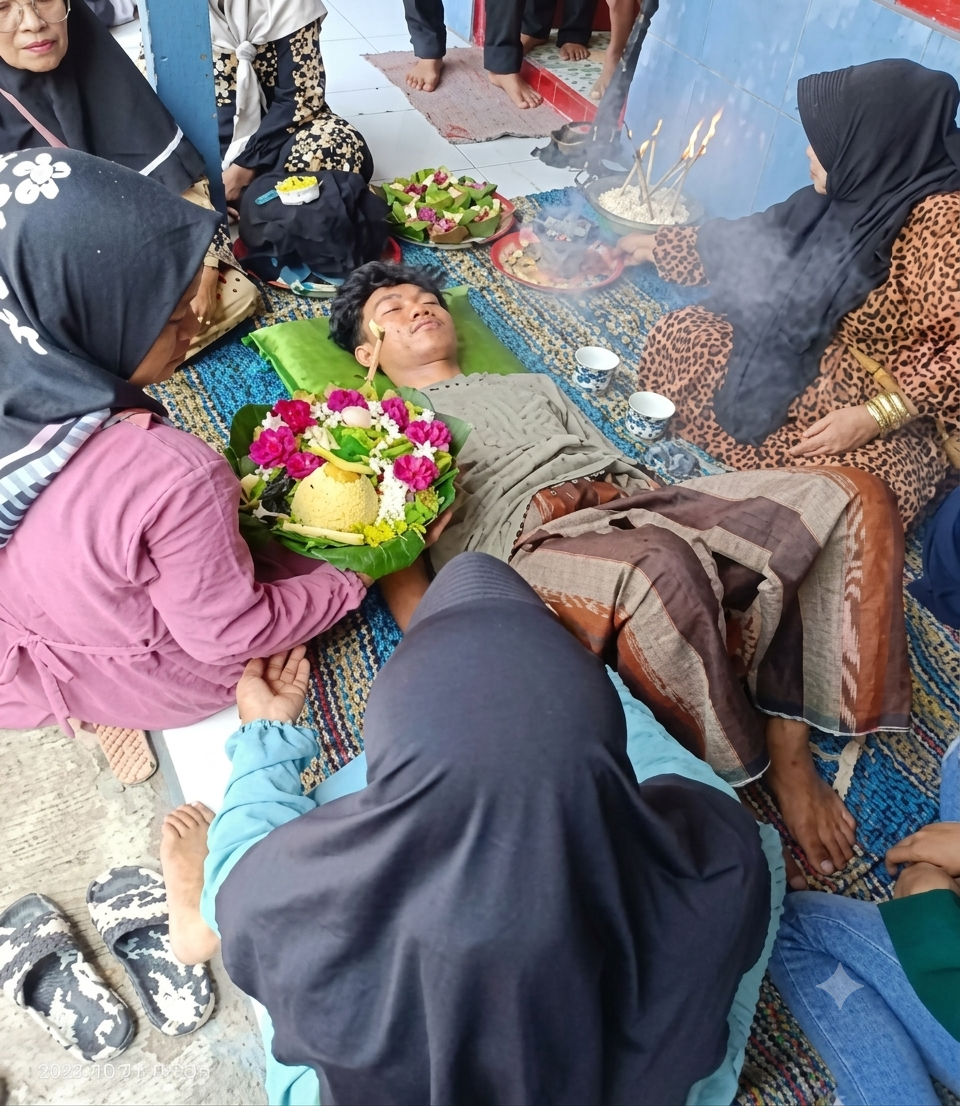
The findings indicate that the Saulak tradition continues to be actively practiced within the multicultural community of Kampung Mandar, Banyuwangi, particularly during wedding, circumcision, and prenatal ceremonies. The ritual consists of several stages, including preparatory deliberation (musyawarah), ritual implementation, and communal interaction. The core ritual involves the symbolic rotation of offerings three times, followed by ritual cleansing, as shown in Figure 1. This process symbolizes purification, protection, and the hope for safety and well-being. The ritual is led by a Pasilli, who serves as a traditional authority responsible for ensuring that all ceremonial procedures are performed according to ancestral customs (24). The continued implementation of this ritual demonstrates the persistence of traditional cultural practices in maintaining social and spiritual order within the community. This phenomenon aligns with the universal prevalence of rites of passage, where ritualized actions serve to navigate life transitions and reinforce community solidarity across diverse cultures (25). Furthermore, the symbolic use of rotation and purification in Saulak finds profound resonance in practices globally—reminiscent of the circumambulation or cleansing rites observed in various indigenous and religious traditions worldwide—underscoring a shared human endeavor to seek spiritual equilibrium and collective protection during pivotal life events (26). Thus, the Saulak tradition is not merely a localized heritage but a compelling testament to the broader, enduring human practice of preserving social and spiritual integrity through time-honored ceremony.
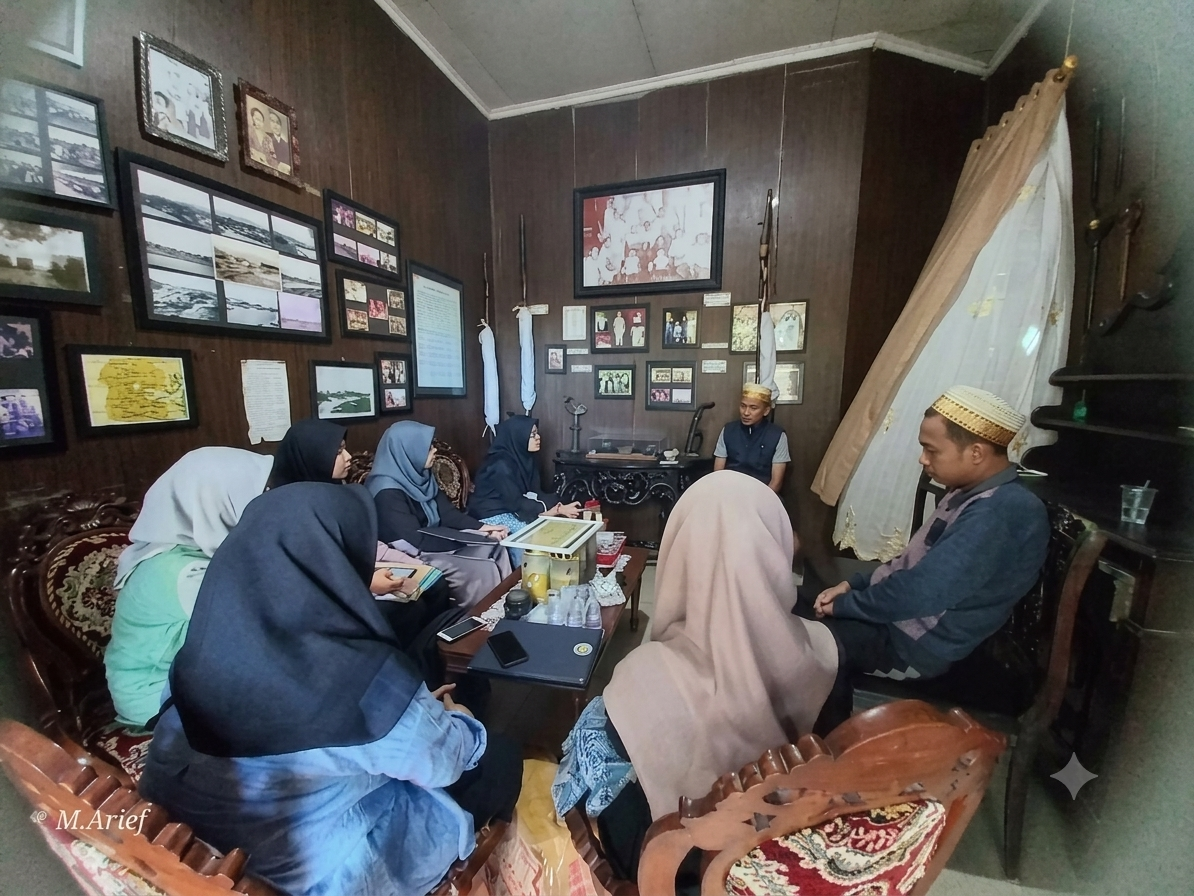
The musyawarah stage represents an essential preparatory phase in which community members gather to discuss the organization of the ritual, including scheduling, preparation of materials, and division of responsibilities. This process, documented in Figure 2, reflects participatory coordination among community members. While it is often described locally as egalitarian, field observations show that participation is structured by informal authority relations, particularly the role of ritual elders (Pasilli) and senior households, who tend to have stronger influence in finalizing decisions even when consensus is formally emphasized (27). This suggests that “deliberation” in practice is not purely horizontal but operates within culturally recognized hierarchies of legitimacy (28).
Multicultural Values and Cultural Sustainability
The findings further reveal that the Saulak tradition functions as a medium for multicultural interaction and social integration. Individuals from different ethnic backgrounds, including Bugis-Mandar, Javanese, Madurese, Osing, and Balinese communities, were observed participating in ritual activities, mirroring the dynamics of pluralistic societies globally where cultural ceremonies frequently serve as vital instruments for inter-group cohesion and peacebuilding (29). However, participation is not uniform across all ritual phases; while inter-ethnic involvement is visible in communal preparation and attendance, certain symbolic-ritual actions remain primarily led by culturally authorized actors such as the Pasilli. This indicates a differentiated participation structure rather than full egalitarian inclusion. This distinction closely aligns with broader anthropological agreements on global ritual functions, which state that while public ceremonies promote social bonding, they also maintain internal social hierarchies and preserve specialized cultural knowledge by restricting core sacred duties to specific traditional authorities (30).
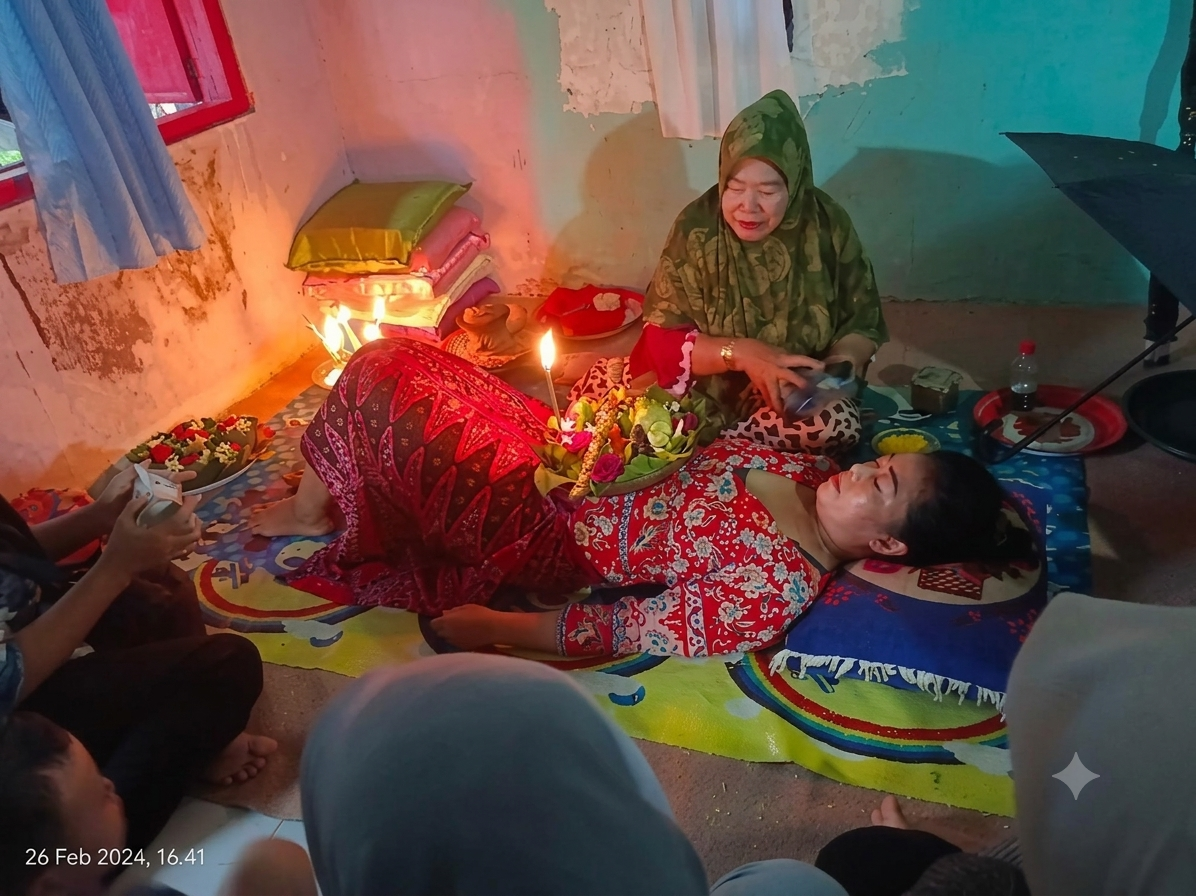
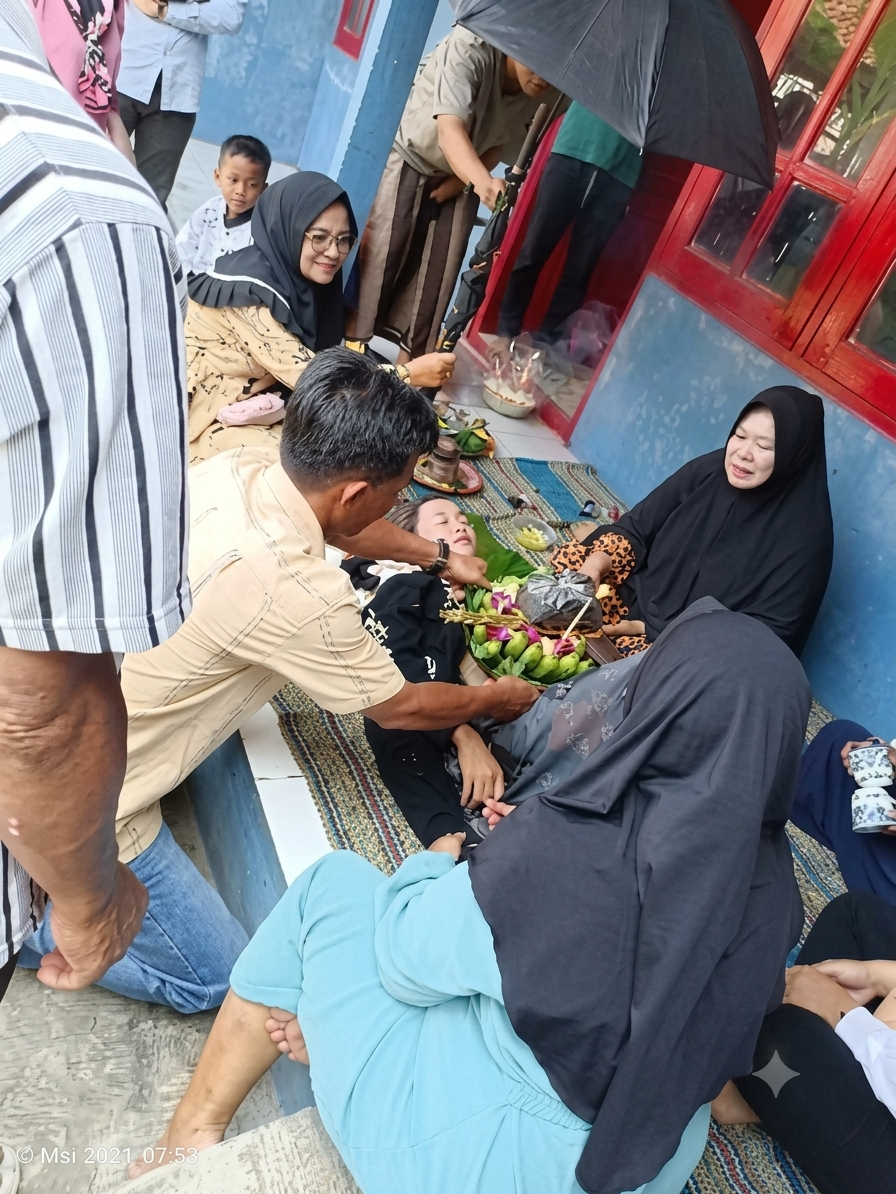
Figure 3 shows the participation of Balinese community members, while Figure 4 illustrates the involvement of a Madurese bride as part of the ceremony. These cases demonstrate openness of ritual space, but they also reflect what anthropological literature describes as “bounded inclusion,” where participation is socially open yet culturally regulated through tradition-specific roles and norms (31). To illustrate this dynamic, a Balinese community participant observed: “We always feel welcomed to attend and help with the logistical preparations, but we fully respect that the inner prayer circles and specific spiritual steps belong strictly to the traditional Pasilli leaders. ” Similarly, an active participant from the Madurese community reflected on the underlying social expectations, stating: “Our presence shows our respect for the village custom, but we know our boundaries when it comes to the core ritual acts. ”This finding nuances simplistic interpretations of pluralism by showing that inclusion operates alongside cultural boundary maintenance.
Humanistic values were observed in cooperative practices during ritual preparation and implementation, particularly in voluntary labor such as preparing offerings and assisting host families. However, interviews indicate that such cooperation is also embedded in reciprocal expectations of social obligation (timbal balik sosial) rather than purely altruistic behavior. This pattern reflects a well-documented phenomenon in global sociology, where community-based voluntary labor—such as gotong royong in Southeast Asia, ubuntu in parts of Africa, or ayni in Andean communities—is rarely driven by isolated goodwill, but rather by deeply ingrained social contracts (32). One participant noted that “if we help today, others will help us when we hold ceremonies later,” suggesting that solidarity is partially structured by long-term reciprocity networks rather than spontaneous empathy alone. This aligns with widespread anthropological perspectives that social cohesion in traditional societies worldwide is often maintained through reciprocal exchange systems—closely resembling what Marcel Mauss conceptualized as the global human imperative of the gift economy, where giving, receiving, and reciprocating form the bedrock of social survival—rather than abstract moral universalism (22, 33).
Tolerance emerged as a key interpretive theme, particularly in relation to interreligious participation. Participants generally framed Saulak as a cultural rather than doctrinal practice, which enables cross-religious involvement, a pragmatic framing that mirrors how diverse communities globally—such as those in Bosnia, West Africa, or parts of India—de-emphasize religious doctrine in favor of shared cultural heritage to maintain peace (34). However, this tolerance is not without tension. Several participants also acknowledged selective participation, where certain individuals or groups refrain from involvement due to religious concerns. This indicates that tolerance operates as a negotiated practice rather than a stable condition of acceptance, aligning closely with contemporary international discourse in pluralism studies which views tolerance not as a passive, static harmony, but as a continuous, dynamic process of negotiation and boundary-setting between competing belief systems (35).
Tensions, Contestation, and Cultural Change
Modernization and digital influence were identified as factors contributing to declining youth engagement. Field data show a generational divergence: older participants interpret Saulak as a moral and social obligation, whereas younger community members tend to view it as optional cultural heritage. This shift indicates a transformation in value orientation rather than simple cultural loss, paralleling a global sociological trend where digital connectivity shifts youth identity from localized, mandatory customs toward a more individualized and selective relationship with heritage (36). This finding resonates with scholarship on cultural modernity, which argues that tradition is often reinterpreted rather than abandoned under globalization processes (37), an agreement shared by international researchers who observe that contemporary youth globally use digital platforms and modern frameworks to hybridize, re-contextualize, and ultimately redefine ancestral practices rather than completely letting them fade (38).
Religious reinterpretation also introduces interpretive contestation. Some community members expressed concern that certain ritual elements may conflict with normative religious teachings, leading to selective acceptance of ritual components, a dynamic that closely mirrors global patterns where local indigenous rituals frequently face scrutiny, adaptation, or resistance when confronted with universalizing religious orthodoxies (39). This creates an internal negotiation between cultural continuity and religious orthodoxy, rather than a uniform community consensus. Such tension reflects broader debates in Southeast Asian anthropology regarding the coexistence and friction between adat (customary practice) and formal religious frameworks (40), while also aligning with wider international scholarship on syncretism and religious pluralism, which consistently finds that the boundaries between sacred doctrine and ancestral tradition are perpetually contested and renegotiated in multicultural societies worldwide (41).
Theoretical Interpretation and Scholarly Contribution
Rather than treating multicultural values as fixed categories embedded in ritual practice, the findings suggest that these values are contextually produced through social negotiation, hierarchical participation, and ongoing interpretive contestation. This dynamic directly reflects contemporary global discourse in sociology and cultural studies, which rejects essentialist views of culture in favor of seeing pluralism as a fluid, continuously constructed process (42). Democracy in the Saulak tradition is not fully egalitarian but mediated through customary authority structures, aligning with international anthropological models of "negotiated democracy" where traditional governance often coexists with modern civic ideals (43). Pluralism is expressed through inclusion that is simultaneously regulated; and tolerance operates as a negotiated boundary rather than unconditional acceptance. This reality closely matches global political and social frameworks, where sustainable multiculturalism is rarely defined by absolute, friction-free harmony, but rather by the ongoing management of cultural differences, structural boundaries, and diverse community identities (44).
This interpretation aligns with anthropological perspectives that view ritual not merely as symbolic expression of shared values, but as a site of social negotiation where power, identity, and belonging are continuously produced (45, 46). Accordingly, the Saulak tradition should be understood as a dynamic cultural system in which multiculturalism is enacted through structured participation, reciprocal obligation, and selective inclusion, rather than as a static reflection of harmony.
Overall, the findings extend existing literature by demonstrating that multicultural cohesion in local traditions is sustained not only through shared values, but also through managed tensions, negotiated boundaries, and differentiated participation structures. This localized mechanism offers a concrete example that supports international agreements, such as the UNESCO Universal Declaration on Cultural Diversity, which emphasizes that sustainable pluralism requires the active management of cultural interactions rather than just passive co-existence (47). This provides a more critical understanding of how cultural traditions operate as both integrative and regulative systems within multicultural societies, offering a valuable comparative model for pluralistic communities globally that are working to balance the preservation of unique ancestral identities with the demands of macro-level social integration (48).
Conclusion
The Saulak tradition operates as a localized cultural mechanism through which democratic participation, humanistic cooperation, plural interaction, and tolerance are continuously produced and maintained within the Kampung Mandar community in Banyuwangi. The findings show that these values are neither fixed nor uniformly manifested, but are continuously shaped through negotiated participation, established customary authority, and reciprocal social relations among community members. Although the tradition faces pressures from modernization and religious reinterpretation, it persists due to its strong embedding within everyday social obligations and shared cultural identity.
The findings are context-specific and based on a qualitative case study involving nine participants from a single community. Accordingly, the results should be understood as an in-depth empirical account of how multicultural values are constructed and enacted in a particular socio-cultural setting, rather than as evidence that can be generalized to other contexts.
This study adds to scholarship in multicultural studies and cultural anthropology by demonstrating that multicultural values within ritual life are not simply represented symbolically, but are actively generated through negotiated forms of participation, differentiated social roles, and the regulation of cultural boundaries. The evidence suggests that multicultural cohesion in local traditions is best conceptualized as a dynamic and processual phenomenon, continuously shaped by social interaction, authority relations, and cultural transformation.
Declarations
Conflict of Interest
The authors declare no conflicting interest.
Data Availability
Data supporting the findings of this study are available from the corresponding author upon reasonable request.
Ethics Statement
Ethical approval was not required for this study.
Funding Information
The authors declare that no financial support was received for the research, authorship, and/or publication of this article.
References
- Jaswan Jaswan, St. Wardah Hanafie Das. Dynamics of Multicultural Education in Indonesia. International Journal of Islamic Educational Research. 2024 Dec 30;2(1):01–14. doi:10.61132/ijier.v2i1.145
- Sinaga RRT, Saimima JR, Ruhulessin JChr, Islahuddin. Theology of Badati: A Constructive Contextual Theology in Hutumury Society According to Stephen B. Bevans. Evangelikal: Jurnal Teologi Injili dan Pembinaan Warga Jemaat. 2025 Mar 31;9(1):120–38. doi:10.46445/ejti.v9i1.890
- Ilma A, Rohmah Z. Balancing faith and identity: language policies and practices in Indonesian Muslim families. J Multiling Multicult Dev. 2026 Jan 2;47(1):549–64. doi:10.1080/01434632.2024.2396996
- Herwandito S, Utomo Wahyudi A, Sampoerno. Navigating Interethnic Harmony and Social Cohesion in Indonesia: Challenges and Opportunities in a Diverse Archipelago. International Journal of Multicultural and Multireligious Understanding. 2024 Aug;11(8). doi:10.18415/ijmmu.v11i8.6086
- Nurfauziah A, Dewi DA, Ardiansyah MI. Urgensi Toleransi untuk Mempertahankan Integrasi Bangsa. MARAS: Jurnal Penelitian Multidisiplin. 2024 Jan 11;2(1):94–100. doi:10.60126/maras.v2i1.135
- Winataputra US. Multikulturalisme-Bhinneka Tunggal lka Dalam Perspektif Pendidikan Kewarganegaraan Sebagai Wahana Pembangunan Karakter Bangsa Indonesia. Jurnal Pendidikan dan Kebudayaan. 2008 Nov 10;14(75):1009–27. doi:10.24832/jpnk.v14i75.364
- Sahira E, Asri Utami A, Studi Pendidikan Kewarganegaraan dan Hukum P, Negeri Yogyakarta U, Sahira Prodi PPKn E. Keberagaman dalam Masyarakat Multikultural di Indonesia: Kajian atas Pemikiran Bikhu Parekh. Journal of Civic Education. 2025;8(1):69–76. doi:10.24036/jce.v8i1.1164
- Saumantri T. Pluralisme dan Inklusivitas dalam Masyarakat Multikultural Perspektif Pemikiran Tariq Ramadan. Zawiyah: Jurnal Pemikiran Islam. 2023 Aug 22;9(1):135. doi:10.31332/zjpi.v9i1.5899
- Khafidhoh, Ahmadi, Ajahari. Persamaan dan Perbedaan Multikulturalisme dan Pluralisme dalam Konteks Pendidikan Islam Multikultural. Jurnal Ilmiah Literasi Indonesia. 2025 Jun;1(1):125–34. doi:10.63822/0c24vp79
- Arif Rahman M, Setiyani W, Sa’ad Algayyar S. Makna Simbolik Tradisi Lokal dalam Kehidupan Sosial Masyarakat. PERSEPTIF: Jurnal Ilmu Sosial dan Humaniora. 2024;2(2):75–81. doi:10.70716/perseptif.v2i2.394
- Siti Mubayanah, Nasihun Amin. Transformasi Makna Ritual dalam Masyarakat Modern: Analisis Sosiologis dan Budaya. GAHWA. 2024 Dec 30;3(1):17–33. doi:10.61815/gahwa.v3i1.473
- Muhibbullah A, Astuti AM, Santoso DK, Sumirat F, Mujib FK, Nduru FA, et al. Perbandingan Model Pendidikan Multikultural di Berbagai Negara : Studi Literatur Pembelajaran dari Praktik Terbaik. Jurnal Ilmu Multidisiplin. 2025 Jun 21;4(2):856–66. doi:10.38035/jim.v4i2.996
- Wahyudianto MF. Mewujudkan identitas nasional melalui revitalisasi tradisi lokal di era modern: Strategi pelestarian budaya untuk pembentukan karakter bangsa. Maliki Interdisciplinary Journal (MIJ) eISSN [Internet]. 2025. Available from: http://urj.uin-malang.ac.id/index.php/mij/index
- Al Zahra’ UA. Social Dynamics in the Suroan Tradition: an Anthropological Study of Religious Moderation among Javanese Muslims in Kediri. International Journal of Religion and Social Community. 2024 Sep 25;2(2):19–33. doi:10.30762/ijoresco.v2i2.3499
- Rafiyansyah A, Afrita D, Fadlurrohim I. Article History: Dinamika Sosial Masyarakat Multikultural dalam Relasi Agama di Desa Rama Agung, Bengkulu Utara. Jurnal Ilmiah Religiosity Entity Humanity (JIREH). 2025;7(2):641–54. doi:10.37364/jireh.v7i2.532
- Rahman A, Wibowo I, Nurhaliza S. Globalization and Cultural Identity: A Study of Changing Traditions in Urban Environments. International Journal of Humanities and Social Sciences Reviews [Internet]. 2024;1(1). Available from: https://international.appisi.or.id/index.php/IJHSSR
- Cruz GRC. Cultural Governance: A Participatory Approach Towards Sustainable Heritage Management. Journal of Heritage Management. 2024 Jun 28;9(1):103–15. doi:10.1177/24559296241237364
- Liu Y, Duan K. Digital Transformation for Cultural Sustainability: A Socio-Technical Analysis of the Wangchuan Ceremony. 2026. doi:10.2139/ssrn.6385980
- Hadi Abd., Asrori, Rusman. Penelitian Kualitatif Studi Fenomenologi, Case Study, Grounded Theory, Etnografi, Biografi. CV. Pena Persada; 2021. 1–109 p.
- Creswell J, Creswell JD. Research design: Qualitative, quantitative, and mixed methods approaches. 5 th. SAGE Publications; 2018.
- Sugiyono. Metode Penelitian Pendidikan Pendekatan Kuantitatif, Kualitatif dan R&D. Bandung: Alfabeta; 2013.
- Kusmiran, Amril M. Penguatan Kecerdasan Sikap Multikultural (Sosiologis). Jurnal Penelitian Ilmu Pendidikan Indonesia. 2023 Aug 9;2(3):249–55. doi:10.31004/jpion.v2i3.152
- Rifa OH. METODOLOGI PENELITIAN.
- Wijaya WS, Sartini NW. Makna Budaya Wacana Ritual Saulak pada Masyarakat Kampung Mandar Kabupaten Banyuwangi: Kajian Etnolinguistik. ETNOLINGUAL. 2021 Feb 9;4(2):147–58. doi:10.20473/etno.v4i2.22830
- Burrow HM. Ritualized into adulthood: the scarcity of youth-focused rites of passage in America. Discover Global Society. 2023 Dec 21;1(1):22. doi:10.1007/s44282-023-00027-3
- Wijaya WS, Sartini NW. Makna Budaya Wacana Ritual Saulak pada Masyarakat Kampung Mandar Kabupaten Banyuwangi: Kajian Etnolinguistik. ETNOLINGUAL. 2021 Feb 9;4(2):147–58. doi:10.20473/etno.v4i2.22830
- Sa S. Penerapan Nilai-Nilai Demokrasi Pancasila melalui Pembelajaran Pendidikan Pancasila dan Kewarganegaraan di SMA Negeri 1 Seyegan Sejarah Artikel. Journal Student UNY. 2021.
- Aswan A, Sultan I, Sukri PS. The Politics of Age : An Important Key to Understanding Power Relation in Indonesia Culture. Palakka : Media and Islamic Communication. 2024 Dec 26;5(2):196–211. doi:10.30863/palakka.v5i2.8038
- Malthuf M, Fitri DK. FOSTERING SOCIAL HARMONY IN DIVERSITY. Society. 2026 Jun 10;17(1):42–51. doi:10.20414/society.v17i1.14888
- Baele SJ, Balzacq T. International rituals: An analytical framework and its theoretical repertoires. Rev Int Stud. 2022 Jan 23;48(1):1–23. doi:10.1017/S0260210521000401
- Bulan Anggraini P, Soetopo D, Priananda Adinata T. RINONTJE: Jurnal Pendidikan dan Penelitian Sejarah POST MODERN TRADISI SAULAK DALAM PRESPEKTIF NILAI-NILAI PENDIDIKAN KESEJARAHAN DISUKU MANDAR KABUPATEN BANYUWANGI POST MODERN SAULAK TRADITION IN THE PERSPECTIVE OF HISTORICAL EDUCATION VALUES IN THE MANDAR DISTRICT, BANYUWANGI REGENCY.
- Suwignyo A. Gotong royong as social citizenship in Indonesia, 1940s to 1990s. J Southeast Asian Stud. 2019 Sep 12;50(3):387–408. doi:10.1017/S0022463419000407
- The Gift. Macat Library; 2017. doi:10.4324/9781912281008
- Fitria A, Tanggok MI. Inter-Religious Tolerance in Indonesia From the Perspective of Pancasila Philosophy. Al-Albab. 2020 Dec 24;9(2):265–74. doi:10.24260/alalbab.v9i2.1876
- Yoo W. Beyond Antagonism and Tolerance: Interreligious Care and Boundary Negotiation in Contemporary Korea. Ethnos. 2026 Mar 11;1–16. doi:10.1080/00141844.2026.2635489
- Lusianawati H. Cultural Transformation of Young Generations in the Digital Globalization Era: An Identity Formation Analysis through a Cultural Hybridization Perspective. Kamara Journal. 2025 Dec 30;2(3):46–56. doi:10.62872/kj.v2i3.475
- Ardina Kamal K. Implementasi Sikap Toleransi Siswa Di sekolah Dasar. Jurnal Gentala Pendidikan Dasar. 2023 Jun 30;8(1):52–63. doi:10.22437/gentala.v8i1.21938
- Mei Z. Dialect inheritance and youth identity: an online ethnography study on dialect enthusiasts community on the new media platforms. Front Commun (Lausanne). 2024 Sep 27;9. doi:10.3389/fcomm.2024.1464284
- Layugan M. Indigenous Religious Beliefs, Rituals, and Practices as Expressions of Culture. International Journal on Culture, History, and Religion. 2024 Aug 1;6(1):29–41. doi:10.63931/ijchr.v6i1.9
- Safri AN. Reinterpretasi Makna Al-Islam dalam Al-Qur’an (Menuju Keagamaan yang Etis dan Dialogis). ESENSIA: Jurnal Ilmu-Ilmu Ushuluddin. 2016 Apr 1;17(1):29. doi:10.14421/esensia.v17i1.1276
- Hedges P. Comparative Theology. In: Comparative Theology. BRILL; 2017. p. 1–89. doi:10.1163/9789004358461_002
- Cap P. Discourse studies: Between social constructionism and linguistics. A critical overview. Topics in Linguistics. 2019 Dec 1;20(2):1–16. doi:10.2478/topling-2019-0006
- Onyango G. Public policy. In: Elgar Encyclopedia of African Politics. Edward Elgar Publishing; 2026. p. 390–6. doi:10.4337/9781035309306.00074
- Saepulmilah C, Musthafa LAH, Ruswandi U. Building Harmony in Diversity: A Study of Pluralism and Multiculturalism in Indonesia. Electronic Journal of Education, Social Economics and Technology. 2025 Jun 6;6(1):1136–47. doi:10.33122/ejeset.v6i1.733
- Wijaya WS, Sartini NW. Makna Budaya Wacana Ritual Saulak pada Masyarakat Kampung Mandar Kabupaten Banyuwangi: Kajian Etnolinguistik. ETNOLINGUAL. 2021 Feb 9;4(2):147–58. doi:10.20473/etno.v4i2.22830
- Rohwati S, Badrudin, Mamnuah A. Negosiasi Islam dan Tradisi Lokal dalam Praktik Sedekah Laut: Studi Kajian Antropologis. Jurnal Dakwah dan Komunikasi [Internet]. 2025 Nov;10(2):514–30. Available from: https://journal.iaincurup.ac.id/index.php/jdk/index
- Universal Declaration on Cultural Diversity Adopted by the General Conference of the United Nations Educational, Scientific and Cultural Organization at its thirty-first session on 2 Article 2-From cultural diversity to cultural pluralism. 2001.
- Chrismastianto IAW, Sriartha IP. Institutionalizing Pawongan: A Local Wisdom-Based Framework for Preventing Social Conflict in Multicultural Bali. Religious: Jurnal Studi Agama-Agama dan Lintas Budaya. 2025 Apr 21;9(1):1–16. doi:10.15575/rjsalb.v9i1.35559