RESEARCH ARTICLE
Halal Tourism Development Strategies in Semarang City: The Role of the Department of Culture and Tourism
Halal Science|Vol. 2, Issue 1, pp. 30-35 (2026)
CC BY 4.0-2026 Authors
Views
Downloads
Shares

Received
Apr 15, 2026Revised
Jun 3, 2026Accepted
Jun 25, 2026Published
Jun 28, 2026
Abstract
Halal tourism development in Indonesia has strong economic potential; however, its implementation remains uneven across regions due to fragmented governance and limited stakeholder integration. This study aims to analyze halal tourism development in Semarang City by examining institutional roles, supporting and inhibiting factors, and implementation mechanisms. A qualitative descriptive approach was applied using purposive sampling, with data collected through in-depth interviews, field observations, and document analysis. The findings, derived from interviews with government officials, tourism stakeholders, and field observations of tourism services, show that halal tourism development in Semarang is supported by inter-agency collaboration, cross-sectoral coordination, and digital promotion strategies. Field evidence indicates that coordination between tourism and food-related agencies plays a key role in accelerating SME halal certification support, while tourism sites have gradually integrated Muslim-friendly services such as prayer facilities and halal food information systems. However, challenges remain, particularly related to differing perceptions of halal tourism among industry actors, uneven institutional coordination, and limited human resource capacity. These findings highlight that implementation gaps are not only structural but also shaped by stakeholder understanding and operational readiness at the local level. In addition, SME halal certification support and the strengthening of halal value chains remain important determinants of tourism performance in the city. The study contributes to halal tourism governance literature by emphasizing the role of micro-level coordination and stakeholder perception in shaping policy implementation outcomes, while practically suggesting stronger inter-agency coordination, clearer communication of halal tourism concepts, and targeted capacity-building programs for tourism actors.
Keywords:
Introduction
Halal tourism has emerged as a rapidly growing segment within the global tourism industry, driven by the increasing Muslim population and the rising demand for travel experiences aligned with Islamic values. This development reflects a broader shift in global tourism toward value-based and ethical consumption patterns (1, 2). In Indonesia, halal tourism is not only positioned as a niche market but has evolved into a strategic sector with significant economic and socio-cultural implications. As the country with the largest Muslim population globally, Indonesia has a strong advantage in developing halal tourism destinations. However, implementation varies across regions, particularly in secondary cities where tourism potential has not been fully utilized (3, 4). Despite Indonesia’s increasing recognition as a global halal tourism destination, structural and institutional weaknesses continue to hinder consistent development across regions.
The urgency to strengthen halal tourism development in Indonesia is supported by empirical evidence and policy dynamics. Previous studies have examined halal tourism from various perspectives, including consumer behavior (5), regulatory frameworks (6), ecosystem development (7), and destination management (8). Collectively, these studies suggest that halal tourism development depends not only on infrastructure and market demand but also on effective governance and stakeholder coordination. Despite the growing body of literature, recurring challenges remain evident, including fragmented governance, weak institutional coordination, and limited integration among stakeholders within halal tourism ecosystems (9, 10). Regulatory reforms and digital transformation initiatives have also been introduced to support sector development; however, inconsistencies in implementation continue to limit their effectiveness across regions (11). These findings indicate that governance capacity and institutional collaboration remain critical factors influencing the successful development of halal tourism destinations in Indonesia (9).
Existing approaches to halal tourism development in Indonesia have primarily focused on infrastructure provision, halal certification, destination promotion, and market development (12, 13). While these studies provide valuable insights, they generally emphasize sectoral interventions rather than examining how local governments coordinate multiple stakeholders and translate national halal tourism policies into practical implementation. Research has shown that marketing communication, Islamic financial literacy, and ecosystem development contribute to destination performance and MSME competitiveness (14, 15). However, less attention has been given to the governance mechanisms through which these elements are integrated at the local level. As a result, the relationship between institutional coordination, policy implementation, and halal tourism development remains insufficiently explored, particularly in urban destinations outside Indonesia’s major halal tourism hubs.
To address this gap, the present study examines halal tourism development in Semarang City by focusing on the roles of local government institutions, supporting and inhibiting factors, and implementation mechanisms. Semarang represents an important empirical setting because it possesses significant tourism potential and actively promotes halal tourism, yet it has not been widely examined in the halal tourism literature compared with destinations such as Lombok or Aceh. Unlike previous studies that primarily discuss halal tourism from the perspectives of consumer behavior, marketing, certification, or ecosystem development, this study focuses on how local government actors coordinate stakeholders and implement halal tourism strategies within an urban governance context. The novelty of this research lies in its integration of governance, stakeholder coordination, and implementation perspectives to explain how halal tourism policies are translated into practical development initiatives at the city level. Methodologically, this study employs a qualitative descriptive approach using interviews, observations, and document analysis to provide context-specific insights. The findings are expected to contribute to the growing literature on halal tourism governance and offer practical recommendations for strengthening sustainable tourism development in Indonesia (16, 17).
Methodology
Study Design and Rationale
This research employs a qualitative descriptive design to analyze halal tourism development strategies implemented by the Semarang City Culture and Tourism Office. The qualitative approach was selected due to its suitability for examining complex institutional processes and policy implementation in tourism governance. By focusing on descriptive methods, this study provides a systematic overview of local government efforts to optimize halal tourism potential within competitive tourism development contexts.
Research Site and Informant Criteria
The research is conducted in Semarang City, focusing on local government institutions responsible for tourism governance. Sampling used a purposive sampling technique to select informants based on their involvement in halal tourism policy formulation and implementation (18). A total of 10 informants were involved in this study, consisting of: (i) 4 structural officials from the Semarang City Culture and Tourism Office, (ii) 2 officials from related supporting agencies (including food safety and certification-related units), and (iii) 4 representatives from tourism industry associations and MSME actors engaged in tourism services. Informants were selected based on the following criteria: 1) direct involvement in tourism policy implementation, 2) minimum two years of experience in relevant institutions or sectors, and 3) active participation in halal tourism-related programs or activities. This approach ensures that the data collected reflects both policy-level and implementation-level perspectives.
Data Collection Techniques
Data were gathered through a triangulation of methods including semi-structured interviews, field observations, and documentation studies to enhance research credibility and transparency (19, 20). Data collection was conducted from May to August 2025. Each interview lasted approximately 45–90 minutes and was conducted either face-to-face or online depending on informant availability. In-depth interviews focused on 1) implementation of halal tourism policies, 2) coordination between institutions, and 3) challenges in halal certification for tourism-related SMEs. Field observations were used to examine service readiness in tourism destinations, including availability of prayer facilities, halal food accessibility, and information services for Muslim travelers. Document analysis included strategic planning documents, annual reports, and policy guidelines related to tourism development.
Research Procedures and Operational Parameters
The research was executed systematically by identifying operational variables relevant to the halal ecosystem, including human resource capacity building and the acceleration of halal certification for business actors (21). This study specifically observes the synchronization between national policies and local implementation to build a city image as an inclusive and sustainable destination (22).
Operational aspects such as human resource capacity building, halal certification acceleration, and policy synchronization were not treated as abstract variables but were operationalized as follows: 1) Human resource capacity was examined through training programs, certification workshops, and interview responses regarding competency development. 2) Halal certification acceleration was analyzed based on institutional support mechanisms, SME participation records, and perceived administrative barriers. 3) Policy synchronization was assessed by comparing national halal tourism guidelines with local implementation practices in Semarang City. This approach allows for a grounded understanding of how policy concepts are implemented in practice
Data Analysis Methods
Data analysis was performed using an interactive approach consisting of data reduction, narrative data display, and conclusion drawing. In addition, the analysis process included systematic coding procedures. Interview transcripts, field notes, and documents were first coded using open coding to identify key themes such as governance coordination, certification challenges, and infrastructure readiness. These codes were then grouped into axial categories to identify relationships between institutional actors and policy implementation processes. Theme development was conducted iteratively by comparing emerging patterns across data sources (interviews, observations, and documents), ensuring triangulation of findings. Final verification was conducted by comparing findings against theoretical frameworks of sustainable tourism and social responsibility to ensure valid and academically accountable research results (23).
Results and Discussion
Interviews with key stakeholders at the Semarang City Culture and Tourism Office (Disbudpar) reveal a shift toward more structured halal tourism management. A primary finding is the importance of collaboration among institutions in addressing administrative challenges related to halal certification (24). One informant from the tourism office stated that “halal certification is no longer treated as an optional branding strategy, but as part of minimum service standards for tourism actors,” indicating a policy shift toward institutionalized implementation rather than promotional framing.
Interviews with department heads indicated that the government no longer views halal as a mere "branding" exercise but as a mandatory service standard. This shift is driven by coordination challenges in certification processes that previously involved fragmented responsibilities across agencies. This is evidenced by the proactive cross-sectoral coordination between Disbudpar and the Food Security Office, as documented in Figure 1.
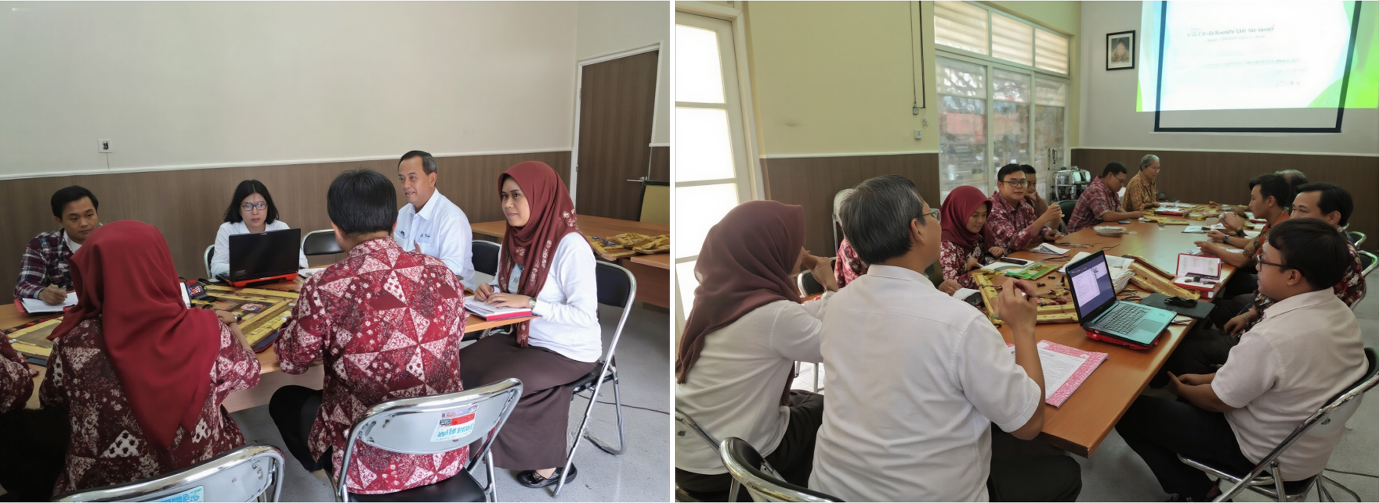
Figure 1 illustrates a multi-agency coordination mechanism in which each institution plays a distinct role: Disbudpar focuses on tourism development and promotion, the Food Security Office handles halal food assurance, while supporting agencies facilitate SME certification assistance. This structure reduces procedural duplication and accelerates certification support for SMEs.
As shown in Figure 1, the coordination mechanism enables relevant agencies to align certification assistance programs, share information, and support SMEs throughout the certification process. In practice, this coordination functions as a problem-solving mechanism for SMEs that previously faced unclear administrative pathways. This collaboration plays an important role in improving the implementation of halal tourism policies at the local level.
The findings also indicate that halal tourism implementation in Semarang is supported by infrastructure and services that accommodate the needs of Muslim travelers. Field observations show that several key tourism sites have begun integrating prayer facilities, halal food identification, and visitor guidance systems, although implementation remains uneven across destinations. The interview data highlights that the city's strategy focuses on "halal packages" rather than just a generalized tourism approach.
For instance, the collaboration with the Indonesian Guides Association (HPI) to train specialized guides ensures that the narrative provided to tourists aligns with sharia values. A representative from HPI noted that trained guides are expected to “bridge cultural interpretation and religious sensitivity without reducing the cultural diversity of Semarang tourism. ” These strategic steps are further supported by digital transformation, specifically through the official portal pariwisata. semarangkota. go. id and various social media platforms which have expanded the city's market reach (25).
The discussion suggests that despite effective digital promotion, a "variable of perception" remains a challenge. Interviews revealed that many local travel bureaus still mistakenly equate halal tourism exclusively with religious pilgrimage (ziarah). One industry stakeholder explained that “halal tourism is still often misunderstood as religious tourism only, which limits product diversification from travel agencies. ”
This misunderstanding reflects a gap between policy intent and market interpretation. This research clarifies that Semarang’s strategy seeks to bridge this gap by integrating "Variety of Culture" branding symbolized by the Warak Ngendog icon into the halal framework (26). This indicates an adaptive governance approach in which cultural identity is used as a mediating tool to reframe halal tourism beyond religious categorization.
In contrast to earlier studies that primarily emphasize certification and infrastructure (27), the findings of this study suggest that perception management and cultural framing are equally important in shaping halal tourism acceptance at the local level. This approach confirms the theory by Amalia et al. (2024) that innovation in the post-pandemic era must be tech-driven yet culturally rooted (21). Ultimately, the development of Semarang as a halal tourism destination depends on consistent policy implementation, improved human resource capacity, and stronger halal value chains supported by digitalization and appropriate regulations (28).
Unlike previous studies that focus predominantly on macro-level governance models (29, 30), this study demonstrates that micro-level coordination mechanisms and perception dynamics at the local stakeholder level are decisive in determining implementation effectiveness.
Conclusion
This study shows that halal tourism development in Semarang City is shaped by institutional collaboration, policy implementation, and digital promotion. However, implementation challenges persist, particularly related to differing stakeholder perceptions of halal tourism, inter-agency coordination, and uneven human resource capacity. Theoretically, the study contributes to halal tourism governance literature by demonstrating that implementation effectiveness is influenced not only by formal policy and infrastructure, but also by micro-level coordination processes and stakeholder interpretation at the local level, which remain underexplored in previous studies. Practically, the findings suggest the need to strengthen inter-agency coordination mechanisms, improve communication of halal tourism concepts to industry actors, and enhance capacity-building programs for MSMEs and tourism workers to reduce implementation gaps in certification and service standards.
This study is limited by its qualitative design and its focus on a single city with a limited number of informants, which may restrict broader generalization. Future research is recommended to conduct comparative studies across different regions or apply mixed-method approaches to quantitatively examine the relationship between governance coordination and halal tourism performance outcomes. Overall, strengthening governance integration and halal ecosystem support remains important to support more consistent and effective halal tourism development in Semarang City.
Declarations
Conflict of Interest
The author(s) declare no conflict of interest.
Data Availability
Data supporting the findings of this study are available from the corresponding author upon reasonable request.
Ethics Statement
Not applicable.
Funding Information
This work received no external funding.
References
- Dewi CK, Pradana M, Huertas-García R, Rubiyanti N, Syarifuddin S. Developing halal consumer behavior and tourism studies: Recommendations for Indonesia and Spain. Front. Psychol. 2022;13. doi: https://doi.org/10.3389/fpsyg.2022.863130
- Kurniawan T, Islam MF, Gazi MAI, Hossain MB. Halal tourism research in Indonesian context: a bibliometric analysis. Discov Sustain. 2025;6(1). doi: https://doi.org/10.1007/s43621-025-00959-7
- Aniqoh NAFA, Tayob S. Harnessing the Potential of Halal Tourism: Strategies for Sustainable Economic Development in Central Java, Indonesia. Econ. J. Ekon. Islam. 2022;13(1):121-137. doi: https://doi.org/10.21580/economica.2022.13.1.13575
- Mujiatun S, Trianto B, Cahyono EF, Rahmayati. The Impact of Marketing Communication and Islamic Financial Literacy on Islamic Financial Inclusion and MSMEs Performance: Evidence from Halal Tourism in Indonesia. Sustainability. 2023;15(13):9868. doi: https://doi.org/10.3390/su15139868
- Julina J, Harahap NS, Zahirah QR, Masrizal M, Moi MR. Global trends and knowledge structures in halal tourism research: insights from bibliometric analysis. Jebis. 2025;11(2):628-655. doi: https://doi.org/10.20473/jebis.v11i2.80850
- Farid Wajdi, Rizki Firmanda Dardin, Ummi Salamah, Mhd Nurhusein Daulay, Kholidah. <b><i>Halal</i> Tourism Policy in the Contemporary Era: A <i>Maq</i><i>āṣid al-Sharīʿah</i> Perspective on Regulatory Gaps</b>. MILRev. 2026;5(1):247-270. doi: https://doi.org/10.32332/milrev.v5i1.12529
- Rahtomo RW. Ekosistem Destinasi Pariwisata Halal Wadah Pengembangan Destinasi Pariwisata Ramah Muslim. J. Kepariwisataan Destin. Hosp. dan Perjalanan. 2018;2(2):64-70. doi: https://doi.org/10.34013/jk.v2i2.22
- Laras Annisa Ulfitri Nedi. Model Manajemen Wisata Halal Berkelanjutan: Analisis Literatur Konseptual dan Praktis. Jupsim. 2025;4(2):240-253. doi: https://doi.org/10.55606/jupsim.v4i2.4097
- Rachmiatie A, Setiawan E, Zakiah K, Saud M, Martian F. Halal tourism ecosystem: networks, institutions and implementations in Indonesia. Jima. 2024;15(11):3247-3265. doi: https://doi.org/10.1108/jima-09-2023-0286
- Samudra D, Safagutan F, Silvi N, Lutfiana E, Aura H, Parniati. A Systematic Review: Halal Tourism Development in Indonesia. iqtishodiah. 2024;6(2):71-78. doi: https://doi.org/10.62490/iqtishodiah.v6i2.733
- Santoso L, Triyanta A, Thontowi J. Halal tourism regulations in Indonesia: trends and dynamics in the digital era. Ijtihad : Jurnal Wacana Hukum Islam dan Kemanusiaan. 2022;22(1):73-94. doi: https://doi.org/10.18326/ijtihad.v22i1.73-94
- Dewi IJ. In the name of the residents' wellbeing: development of halal tourism in Indonesia using the “place attachment” approach and “value-belief-norm theory”. Front. Sustain. Tour. 2023;2. doi: https://doi.org/10.3389/frsut.2023.1183347
- Marlina L, Juliana J, Rahmat BZ, Nasrullah AA, Ismail S, Inomjon Q. Indonesia's Strategy Creating Halal Tourism for Sustainable Development Goals: Analytical Network Process Approach. jlsdgr. 2024;5(1):e03403. doi: https://doi.org/10.47172/2965-730x.sdgsreview.v5.n01.pe03403
- Robbani H, Syam R. Penguatan Kewenangan BPJPH dalam Pengawasan Sertifikasi Halal di Sektor Pariwisata: Analisis Hukum Terhadap Implikasi Penundaan Kewajiban Sertifikasi Halal 2024-2026. Ltrts. 2024;6(2):608-613. doi: https://doi.org/10.37010/lit.v6i2.1680
- Ulfa U, Putra AR. Dampak Pengembangan Wisata Halal terhadap Kinerja UMKM Lokal di Pangkalpinang. J. Emt Kita. 2026;10(1):273-284. doi: https://doi.org/10.35870/emt.v10i1.5288
- Asytia Haninah. Optimizing halal tourism in indonesia: the role of tourist satisfaction in advancing sharia tourism development. JSE: J. Sha. Eco. 2025;4(2):16-27. doi: https://doi.org/10.46773/jse.v4i2.1858
- Rahaju T, Megawati S, Prabawati I, Suprapto FA, Muzaqi AH, Ardiyansyah A. Role of Local Tourism Governance Policies in Achieving Sustainable Tourism Development: A PLS-SEM Modeling Study. Irmm. 2026;16(2):455-467. doi: https://doi.org/10.32479/irmm.20617
- Ahmad M, Wilkins S. Purposive sampling in qualitative research: a framework for the entire journey. Qual Quant. 2024;59(2):1461-1479. doi: https://doi.org/10.1007/s11135-024-02022-5
- Morgan H. Using Triangulation and Crystallization to Make Qualitative Studies Trustworthy and Rigorous. Tqr. 2024. doi: https://doi.org/10.46743/2160-3715/2024.6071
- Meydan CH, Akkaş H. The Role of Triangulation in Qualitative Research. IGI Global; 2024. doi: https://doi.org/10.4018/979-8-3693-3306-8.ch006
- Suhartanto D, Amalia FA, Sugiama AG, Choirisa SF, Nova M. Innovative, smart, green and halal: a recipe for marketing Muslim destination. Jiabr. 2024. doi: https://doi.org/10.1108/jiabr-02-2024-0056
- Wibiksono ANA, Farasyah N. Indonesia's role in the internationalization of halal tourism through national policy and multilateral diplomacy. Pssj. 2026;6(1):1-12. doi: https://doi.org/10.55942/pssj.v6i1.1109
- Sulong Z, Chowdhury MAF, Abdullah M, Hall CM. Constructing sustainable halal tourism composite performance index for the global halal tourism industry. Asia Pacific Journal of Tourism Research. 2024;29(7):852-868. doi: https://doi.org/10.1080/10941665.2024.2350413
- Suriyani I, Karjoko L, Handayani IGAKR. The Effectiveness of Halal Certification for Micro, Small, and Medium Entreprises (MSMEs) With Self-Declare Scheme. Paris: Atlantis Press SARL; 2024. doi: https://doi.org/10.2991/978-2-38476-218-7_87
- Hakim J, Sumawidari IAK. Digital transformation enhances tourism competitiveness, sustainability, and visitor experience in the digital era. Jcmts. 2026;5(1):142-152. doi: https://doi.org/10.58881/jcmts.v5i1.242
- Dewi IJ. In the name of the residents' wellbeing: development of halal tourism in Indonesia using the “place attachment” approach and “value-belief-norm theory”. Front. Sustain. Tour. 2023;2. doi: https://doi.org/10.3389/frsut.2023.1183347
- Agustina A, Indar Fauziah Ulfah. Pengaruh Persepsi Identitas Budaya Sasak dan Standarisasi Global Terhadap Minat Wisatawan Berkunjung ke Destinasi Wisata Halal di Lombok. kasta. 2025;5(3):251-267. doi: https://doi.org/10.58218/kasta.v5i3.2457
- Harsanto B, Pradana M, Firmansyah EA, Apriliadi A, Ifghaniyafi Farras J. Sustainable Halal Value Chain performance for MSMEs: the roles of digital technology, R&D, financing, and regulation as antecedents. Cogent Business & Management. 2024;11(1). doi: https://doi.org/10.1080/23311975.2024.2397071
- Aulia AR, Kusumastuti A, Aulia Ulla WR, Listiani W. Halal dan Sektor Pariwisata Religi: Analisis Kritis Terhadap Sertifikasi, Kolaborasi, dan Dampak Ekonomi di Indonesia. 2025;
- Peristiwo H, Mubarok K. Manajemen strategik pengembangan pariwisata halal berkelanjutan: konsep dan implementasi terhadap minat digital entrepreneurship mahasiswa. Ijmahi. 2025;5(1):80-88. doi: https://doi.org/10.30653/ijma.202551.128